


28/04/2026

Share:
28/04/2026
Share:

NEW DELHI, Apr 28: India’s domestic aviation sector is facing mounting financial strain as surging fuel costs threaten to disrupt operations, prompting urgent appeals from leading carriers for government intervention.
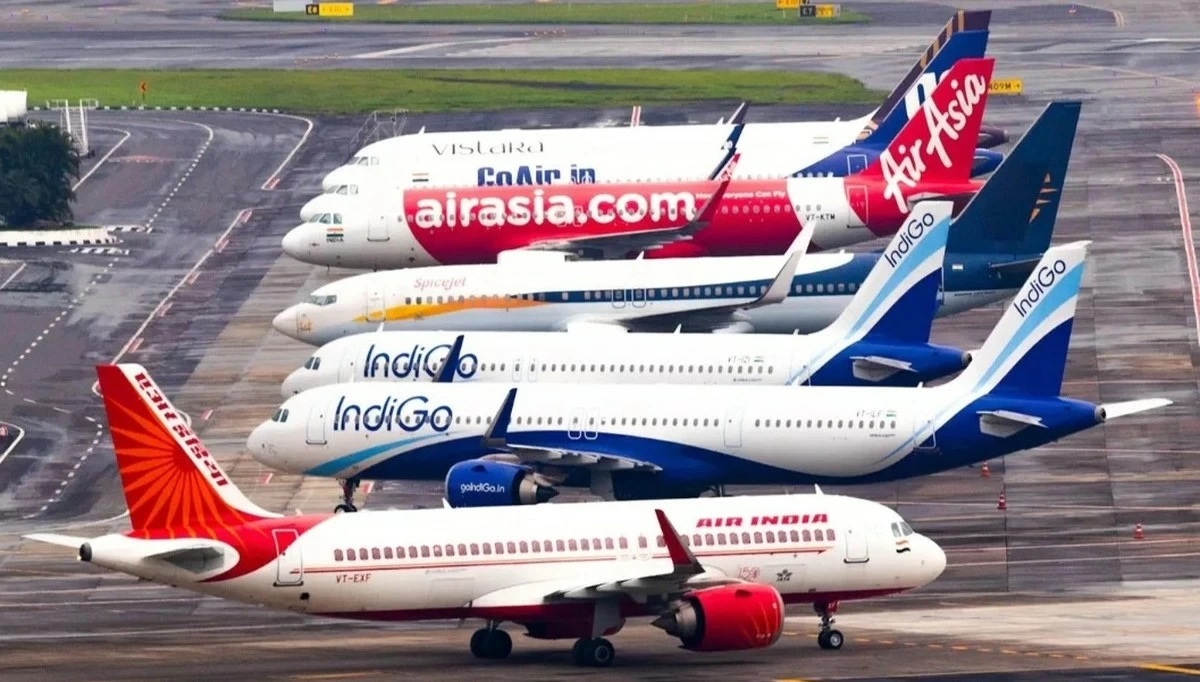
The Federation of Indian Airlines (FIA)—which represents major carriers such as Air India, IndiGo and SpiceJet—has warned the government that widening price disparities between domestic and international aviation fuel are pushing airline networks toward financial unsustainability.
In a communication sent on April 26 to the Ministry of Civil Aviation, the FIA highlighted severe operational challenges stemming from the sharp rise in aviation turbine fuel (ATF) prices. The association cautioned that airlines are nearing a critical point, where they may be forced to ground aircraft or suspend operations if cost pressures continue unchecked.
The group has called for immediate policy measures, including reinstating the Brent-linked crude pricing mechanism introduced after the pandemic in 2022, scrapping the existing 11% excise duty on ATF, and reducing value-added tax (VAT) levied by states on aviation fuel.
Fuel expenses have surged dramatically, now accounting for nearly 60% of airline operating costs—up from around 40% earlier—placing intense pressure on already thin margins. “Airlines are navigating an extremely difficult and precarious environment,” the FIA noted, adding that carriers have so far managed to sustain operations despite escalating financial stress.
The spike in fuel costs has been driven by a sharp increase in global crude oil prices, which jumped by over 45% month-on-month in March 2026 amid geopolitical tensions in West Asia. While the government attempted to cushion the domestic impact by capping monthly ATF price increases at 25%, resulting in a relatively modest 9.2% rise in April for domestic routes, international operations have faced a much steeper escalation.
According to industry estimates, domestic ATF price increases were limited to around ₹15 per litre, whereas international fuel prices surged by as much as ₹73 per litre. Overall, ATF prices have climbed significantly—from about $87 per barrel to over $235 per barrel—raising concerns about further cost escalation if crude oil prices remain elevated.
Ratings agency ICRA, in its latest aviation outlook, warned that sustained high crude prices could continue to drive up ATF costs, further straining airline finances in the coming months.
The FIA has cautioned that without swift intervention, airlines may be forced to cut capacity, scale back routes, and reduce connectivity—moves that would directly impact passengers and limit access to regional destinations.
In response to the growing crisis, the government has introduced some relief measures. In April 2026, the aviation ministry reduced landing and parking charges for domestic carriers by 25% for three months. Additionally, authorities are considering an emergency credit support scheme worth ₹5,000 crore to provide liquidity support to the struggling sector.
Despite these steps, industry stakeholders stress that addressing fuel pricing remains critical to ensuring the long-term viability of India’s aviation network.