
Saturday, May 16, 2026
 
search-icon
search-icon
close-icon

Indian Rupee Falls Sharply Against Pakistani, Bangladeshi and Afghan Currencies

USD Surges as Indian Rupee Falls to Multi-Year Low in 2026

publish time

16/05/2026

publish time

16/05/2026

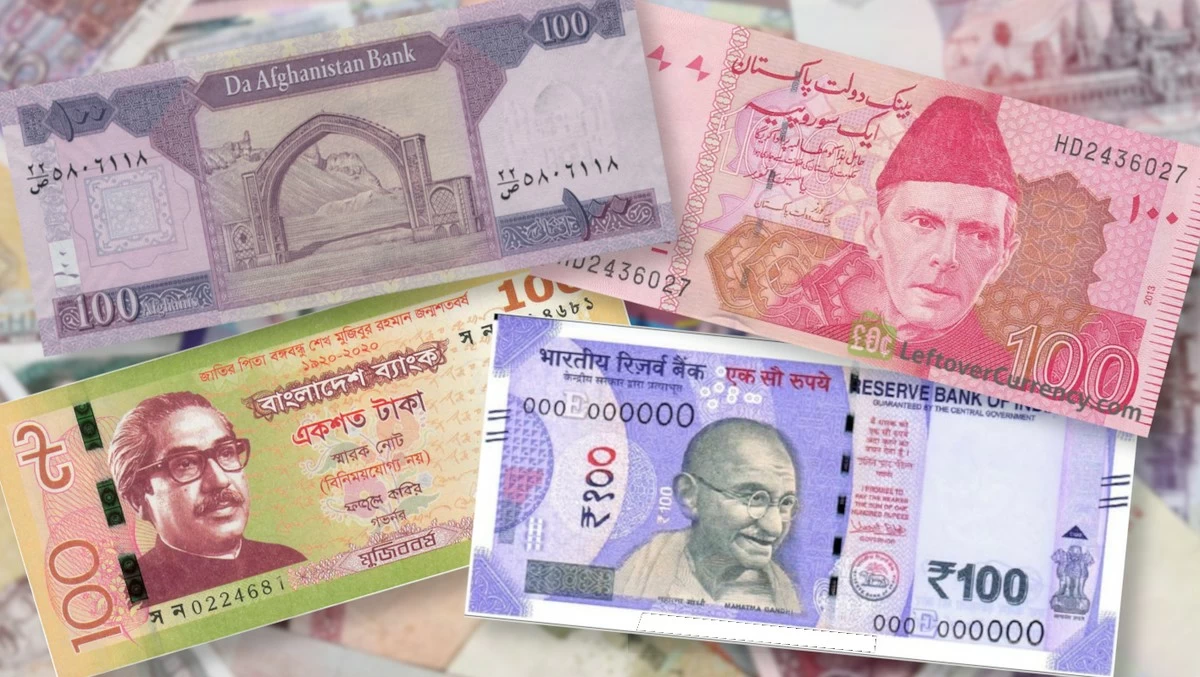
NEW DELHI, May 16: The Indian rupee has weakened against several regional currencies in 2026, showing notable declines against the Pakistani rupee, Bangladeshi taka, and Afghan afghani, according to exchange rate data.

Against the Pakistani rupee, the Indian currency has fallen by around 6.7% since the start of the year. The exchange rate moved from 1 INR equal to 3.11 PKR in January 2026 to about 2.90 PKR in recent trading.

A similar downward trend has been observed against the Bangladeshi taka, with the rupee slipping by approximately 4.5%. The rate shifted from 1 INR equal to 1.34 BDT at the beginning of the year to around 1.28 BDT currently.

The steepest decline has been observed against the Afghan afghani, where the rupee has dropped nearly 17.7%. The currency has moved from roughly 0.79 AFN per rupee in January to about 0.65 AFN per rupee now.

The data reflect broader regional currency movements, with the Indian rupee coming under pressure against neighboring South Asian currencies during the year, highlighting shifting exchange rate dynamics across the region.

Indian Rupee vs US Dollar

The Indian rupee has come under significant pressure in 2026, depreciating sharply against the US dollar and hitting record lows during May, according to exchange rate data.

From January 1 to May 16, 2026, the rupee has weakened by 6.21% against the US dollar. The USD/INR exchange rate moved from ₹89.96 at the beginning of the year to ₹95.97 by May 16, reflecting a 6.68% rise in the value of the dollar against the rupee.

The currency crossed the psychologically important ₹95 level on May 4, driven by sustained pressure from high global Brent crude oil prices and heavy foreign capital outflows from Indian markets.

In mid-May, the rupee reportedly fell to its weakest level in modern history, trading above the 95.90 mark between May 14 and May 16. Market data suggests this period marked one of the steepest declines for the Indian currency in 2026, making it one of Asia’s weakest-performing currencies so far this year.

Analysts attribute the sustained weakness to a combination of external shocks, including elevated energy import costs, global financial tightening, and continued dollar strength, which has intensified pressure on emerging market currencies.

The broader trend highlights growing volatility in foreign exchange markets, with the rupee facing persistent headwinds as global economic conditions remain uncertain.