



24/06/2026

Share:
24/06/2026
Share:

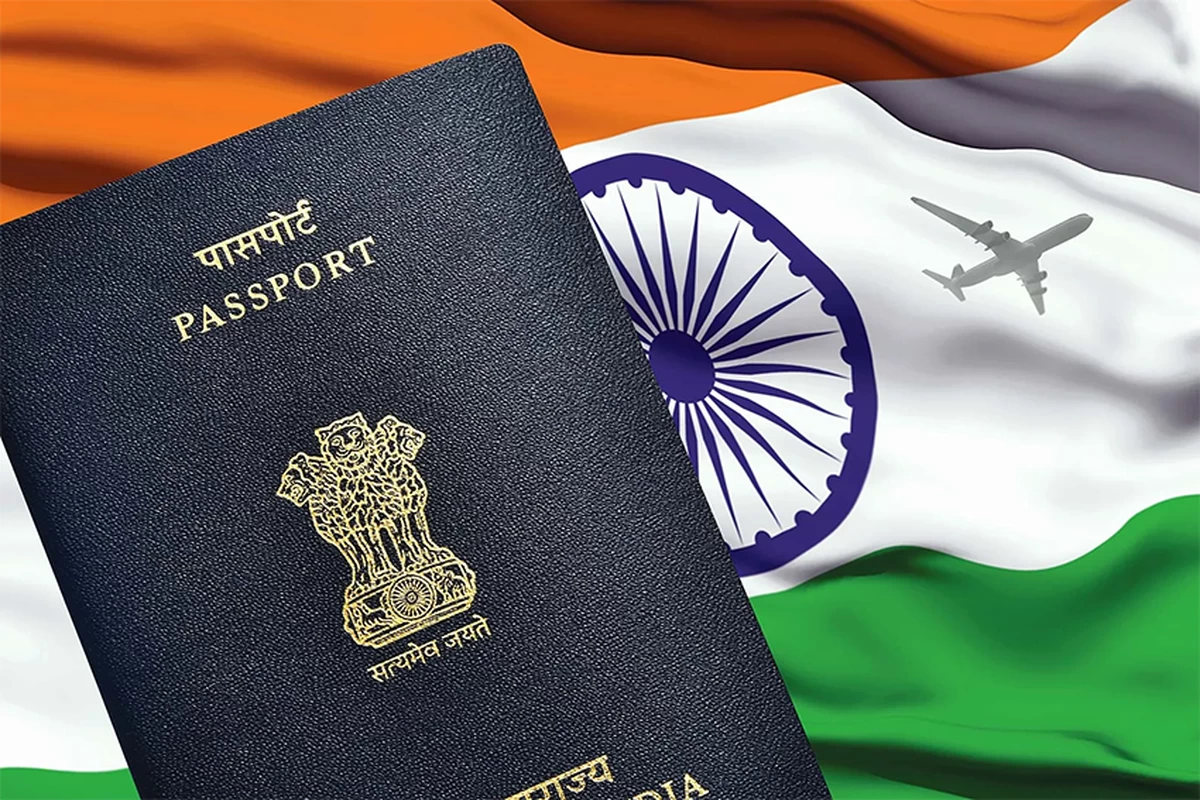

NEW DELHI, Jun 24: The Ministry of External Affairs (MEA) has clarified that an Indian passport should be considered a travel document primarily and cannot be treated as conclusive proof of citizenship or automatic eligibility for government benefits.
The clarification came amid public discussions and confusion over whether possession of a passport alone establishes citizenship status for various administrative purposes.
Officials said that while Indian passports are issued only to Indian citizens, the document’s core purpose is to facilitate international travel and serve as proof of identity outside the country. They added that questions regarding citizenship proof have also previously emerged around documents such as Aadhaar cards and voter identity cards.
The MEA made the clarification while highlighting major reforms in India’s passport and mobility ecosystem aimed at improving accessibility, security and international recognition of Indian travel documents.
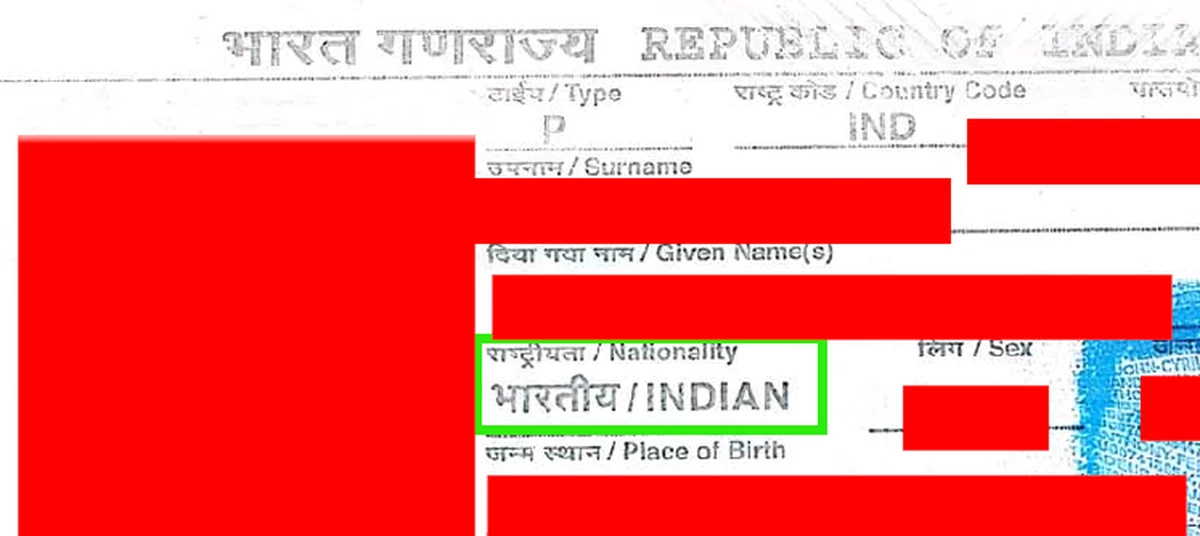
Despite the nationality mentioned on an Indian passport, the Ministry of External Affairs clarifies that it is not, by itself, conclusive proof of citizenship.
Faster Passport Services and E-Passport Rollout
Officials said passport processing has become significantly faster, with applications being completed in as little as five working days in many cases. The average time spent by applicants at Passport Seva Kendras (PSKs) has also been reduced to less than 45 minutes due to technology-driven improvements and streamlined procedures.
A major development has been the nationwide rollout of chip-enabled e-passports. Since May last year, all newly issued Indian passports have been equipped with secure electronic chips containing biometric information and advanced security features compliant with standards set by the International Civil Aviation Organization.
The government said e-passports will enhance document security, prevent fraud and improve the acceptance of Indian passports at international border checkpoints.
Passport Network Expanded Across India
India’s passport service infrastructure has expanded rapidly, with the network now covering 545 passport service centres across the country — a six-fold increase compared with a decade ago.
The government plans to establish 20 more Passport Seva Kendras this year, with the goal of ensuring that every Lok Sabha constituency has access to a passport facility by 2027.
Officials said only around 30 districts currently remain without a dedicated passport centre. Mobile passport teams have also been deployed in remote and difficult-to-reach areas, while special outreach camps last year helped nearly 300,000 people obtain passports in underserved regions.
Low Passport Ownership Despite Growth
Despite improvements in services, passport ownership in India remains limited, with only around 10 percent of the population currently holding a passport.
The MEA said expanding access to passports remains a priority as global mobility becomes increasingly important for education, employment, business opportunities and international migration.
India Expands Global Mobility Partnerships
The ministry highlighted India’s growing network of international mobility agreements, with 27 agreements signed with 25 countries, including the European Union, United Kingdom, Australia and several Gulf nations.
These agreements aim to support easier movement for students, researchers, professionals, apprentices and business travellers.
Visa access for Indian passport holders has also expanded, with 27 countries offering visa-free entry, 47 providing visas on arrival and 66 offering e-visa facilities.
Focus on Overseas Workers’ Welfare
The MEA said the upgraded eMigrate 2.0 system has improved the emigration clearance process for Indian workers heading abroad.
Since its launch in October 2022, nearly 700,000 workers have received emigration clearance through the platform. Officials said randomised processing systems introduced in 17 passport offices have further improved transparency and reduced delays.
The government has also expanded pre-departure orientation programmes, providing overseas workers with country-specific cultural guidance, workplace information and job-related training.
Next week, India will host a Human Resource Mobility Forum involving Germany, Italy, Japan, Russia and Denmark to connect skilled Indian workers with ethical employers abroad.
The ministry also said support centres for distressed Indian women abroad, offering legal assistance and counselling, are operating in Gulf countries and Singapore through assistance from the Indian Community Welfare Fund.
The MEA said its broader objective is to make passports accessible to a larger section of Indians while ensuring that overseas migration remains safe, orderly and beneficial for workers and destination countries.
What is Proof of Citizenship for Indians?
For Indian citizens, there is no single universal document that serves as the only proof of citizenship in every situation. Citizenship is determined under the Citizenship Act, 1955 and related rules, and different authorities may ask for different documents depending on the purpose.
Birth Certificate
- Born before July 1, 1987: generally considered an Indian citizen by birth.
- Born between July 1, 1987 and December 2, 2004: at least one parent must have been an Indian citizen.
- Born on or after December 3, 2004: additional conditions apply, including that one parent must be an Indian citizen and the other must not be an illegal migrant.
Citizenship Certificate
Granted by the Ministry of Home Affairs if you acquired citizenship by registration or naturalization.
National Register of Citizens (NRC):
If applicable to your state (e.g., Assam), being listed on the NRC is official proof.
Electoral Roll Details (Historical):
Historical voter rolls (especially dating before March 1971) can serve as documentary proof of historical lineage and citizenship
Common IDs that are NOT proof of citizenship:
Indian courts (including the Bombay High Court) and the Indian government have explicitly clarified that Aadhaar cards, PAN cards, and Voter ID cards are for identification and residency purposes only. They establish identity, not nationality