



08/07/2026

Share:
08/07/2026
Share:
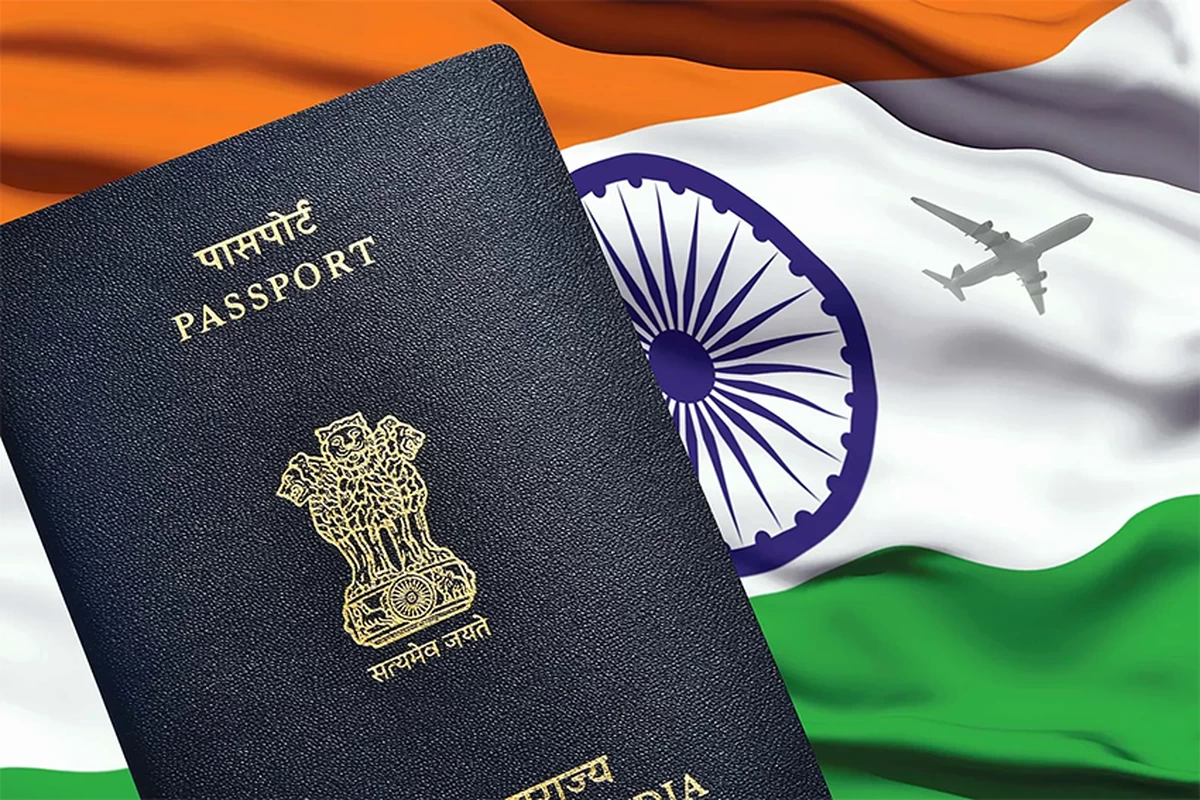

NEW DELHI, July 8: India's passport has slipped one place to 125th in the Global Passport Index 2026, underscoring the continued travel restrictions faced by Indian citizens compared with passport holders from many European nations, which dominate the latest rankings.
Compiled by Global Citizen Solutions, the index ranks 197 countries using a broader methodology than traditional passport rankings. Instead of focusing solely on visa-free travel, it evaluates passports across three pillars—global mobility, investment opportunities and quality of life—using 14 indicators sourced from international organizations, including the World Bank and the World Economic Forum.
India ranked 125th, down from 124th last year. Namibia was placed one position ahead at 124th, while Azerbaijan followed at 126th.
Despite the decline in ranking, the report noted that India's overall composite score rose to 45.1, its highest level in the past five years, reflecting improvements across several indicators even as other countries outpaced it in the overall standings.
Indian passport holders continue to benefit from visa-free, visa-on-arrival and eVisa access to several destinations. However, travel to many developed countries still requires traditional visas, often involving extensive documentation, higher costs and lengthy processing times. These requirements remain a challenge for tourists, students, business travelers and professionals seeking international mobility.
European countries dominated the 2026 rankings, claiming nine of the top 10 positions.
Sweden secured the title of the world's strongest passport, followed by Switzerland, Finland and Germany. The Netherlands and Denmark shared fifth place, while Ireland, the United Kingdom, Norway and Singapore completed the top 10. Singapore was the only non-European country to feature among the world's strongest passports.
According to the report, holders of top-ranked passports enjoy easier international travel through extensive visa-free access, while also benefiting from greater opportunities for employment, investment and relocation abroad. The findings suggest that passport strength is increasingly linked not only to travel freedom but also to broader economic and lifestyle advantages in an increasingly interconnected world.