



18/12/2025

Share:
18/12/2025
Share:

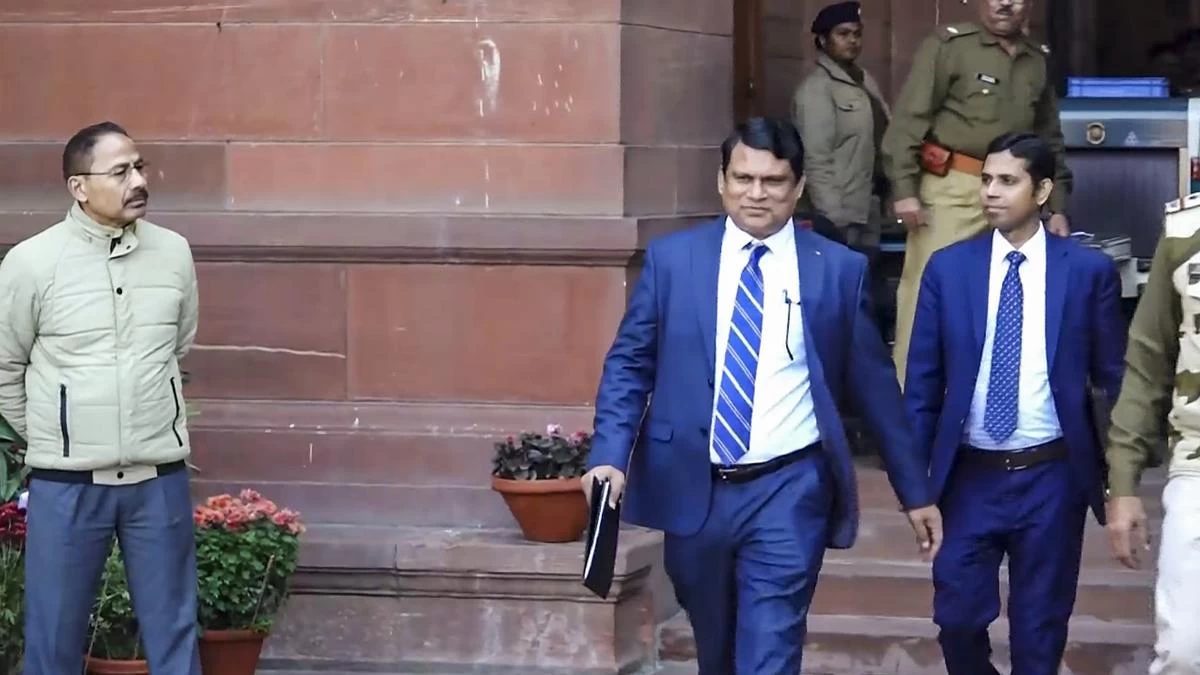
NEW DELHI, Dec 18: Tensions between India and Bangladesh escalated on Wednesday after New Delhi summoned Bangladesh’s High Commissioner, Riaz Hamidullah, following a call by a radical group in Dhaka to march toward the Indian High Commission in protest against what it described as India’s alleged interference in Bangladeshi domestic politics.
The Ministry of External Affairs (MEA) said the Bangladeshi envoy was reminded of his government’s responsibility to ensure the safety and security of India’s diplomatic mission and visa facilities in Bangladesh, in line with international diplomatic obligations.
In a statement issued after the meeting, the MEA said India “completely rejects the false narrative being propagated by extremist elements” in connection with recent developments in Bangladesh. The ministry expressed concern that Bangladesh’s interim government had neither conducted a comprehensive investigation into the incidents nor shared any substantive evidence with India.
Earlier in the day, a coalition known as July Oikyo Mancho—comprising several conservative political parties and organisations—announced plans to stage a march to the Indian High Commission beginning at 3 p.m. from the Rampura Bridge area in Dhaka. The group demanded the return of former prime minister Sheikh Hasina, who was ousted from power and is currently residing in India, referring to her and her associates as “murderers.” Protest leaders also accused India of orchestrating conspiracies through alleged proxy political parties, media outlets, and government officials.
Following the announcement of the protest, the Indian Visa Application Centre (IVAC) in Dhaka said it would suspend operations from 2 p.m., adding that visa appointments scheduled for the latter half of the day would be rescheduled as a precautionary measure.
“We expect the interim government to take all necessary steps to ensure the safety and security of India’s missions and posts in Bangladesh,” the MEA said.
Later in the afternoon, protesters under the banner of July Oikyo Mancho held a rally in Dhaka. Police intervened and stopped the march after it had proceeded some distance, preventing it from reaching the premises of the Indian High Commission. Addressing supporters at the rally, Rashed Pradhan of the Jatiyo Gonotantrik Party warned that future protests would be more aggressive. He claimed that recent political developments had shown that Bangladesh would not accept what he described as India’s dominance.
The diplomatic exchange came just a day after India and Bangladesh marked Vijay Divas, or Victory Day, on December 16, commemorating the end of the 1971 Bangladesh Liberation War. The celebrations were overshadowed by a series of anti-India remarks made by Bangladeshi student leaders, which circulated widely on social media.
Mahfuj Alam, a student leader campaigning ahead of Bangladesh’s upcoming elections, accused India of exporting terrorism and issued warnings about retaliatory action if Bangladesh’s security were threatened. Alam had been part of the interim government until last week, when he resigned from his role as student adviser following the announcement of the election schedule.
In a separate statement, Hasnat Abdullah, leader of the National Citizen Party, described India as a hostile nation and made remarks threatening to sever India’s northeastern region from the rest of the country, further inflaming tensions.
Relations between the two countries have been strained in recent days following a violent attack on right-wing student leader Sharif Osman Hadi on December 12, which left him critically injured and on life support. In the aftermath of the attack, Bangladesh’s Foreign Ministry accused Sheikh Hasina and leaders of her Awami League party of directing “terrorist” activities from Indian territory and urged New Delhi to prevent Hadi from leaving Bangladesh.
India strongly objected to the accusations, reiterating its long-standing ties with Bangladesh. “India has close and friendly relations with the people of Bangladesh, rooted in the shared history of the liberation struggle and strengthened through development cooperation and people-to-people exchanges,” the MEA said.
Responding from Dhaka, Bangladesh’s Foreign Affairs Adviser Touhid Hossein accused Sheikh Hasina of making “incendiary” statements that could undermine the electoral environment. He said Bangladesh would formally ask India to restrain her from making such remarks. “If India takes steps in this regard, we will view it as a positive move. If not, there is little we can do to compel her,” Hossein told reporters.


