


25/05/2026

Share:
25/05/2026
Share:
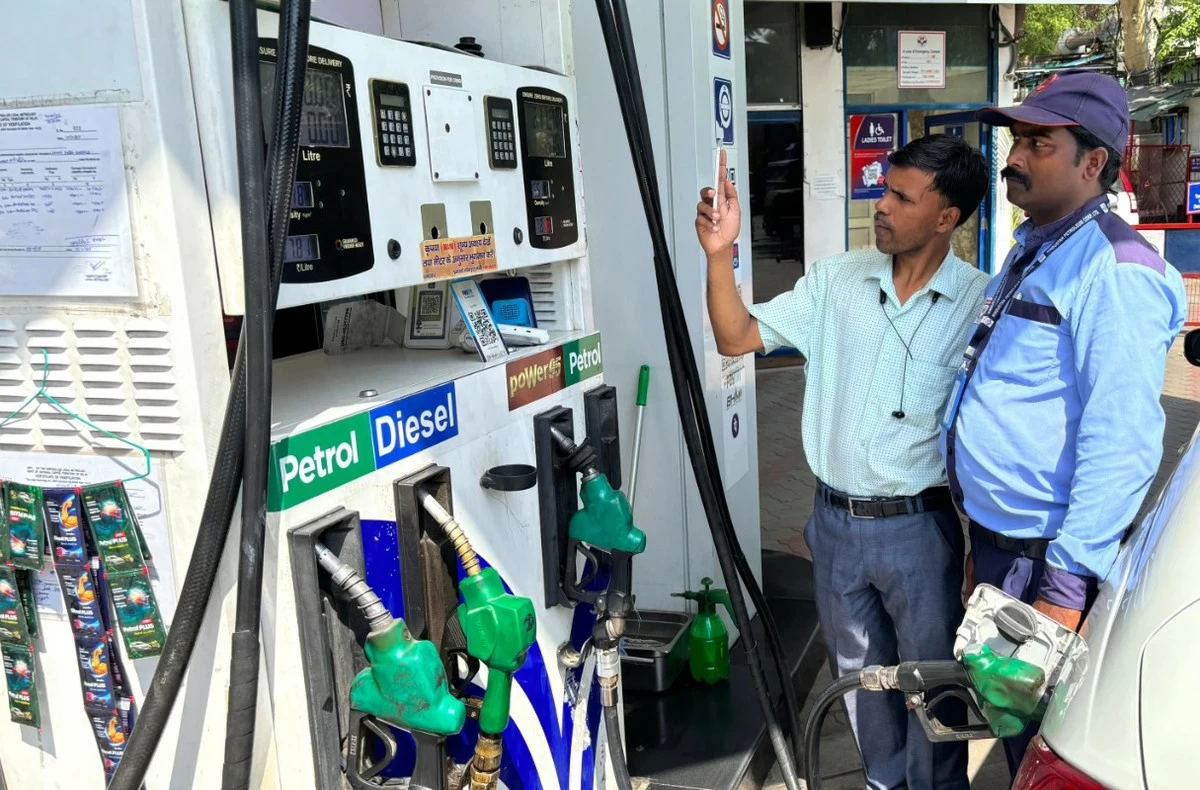
A commuter monitors the meter as an attendant refuels his vehicle at a filling station in New Delhi, India, Friday, May 15, 2026. (AP Photo/Shonal Ganguly)

NEW DELHI, May 25: Fuel prices in India were raised for the fourth time in 10 days on Monday, as escalating conflict in the Middle East and disruptions in global oil supplies continued to pressure the country’s energy market.
State-run oil marketing companies increased petrol and diesel prices by more than two rupees per litre across most parts of the country. The latest hike comes amid growing concerns over supply disruptions linked to Iran’s near-total blockade of the Strait of Hormuz, a key global energy shipping route.
Since the outbreak of the regional conflict in February, automobile fuel prices in India have risen by around five percent. India, the world’s third-largest crude oil importer and fastest-growing major economy, typically imports nearly half of its crude oil requirements through the Strait of Hormuz.
In the national capital New Delhi, petrol prices climbed from ₹99.50 to ₹102.12 per litre, while diesel prices increased to ₹95.20 per litre.
The repeated price hikes are expected to add pressure on transportation costs and household budgets, while also raising concerns over inflation in Asia’s third-largest economy.
Oil prices sink
Meanwhile, Crude Oil Falls Sharply as Markets Hope for US-Iran Diplomatic Breakthrough Oil markets posted heavy losses on Monday, with prices dropping to a two-week low amid growing expectations that the United States and Iran may eventually reach a diplomatic understanding. Brent crude lost $4.71 to trade at $98.83 per barrel, while US crude fell $4.57 to $92.03 per barrel. The market downturn reflected investor optimism that easing tensions between the two countries could help stabilize global energy supply routes in the Middle East.