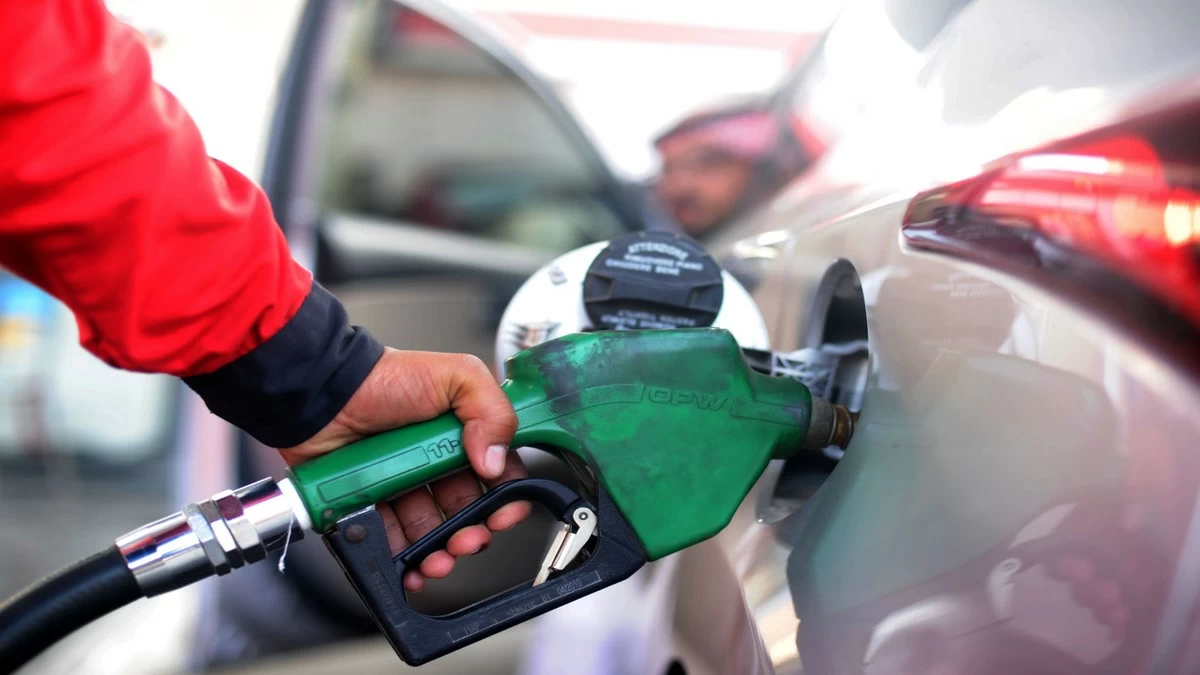
NEW DELHI (AP), May 15: India raised fuel prices by 3 rupees ($0.03) per liter Friday as the government moved to offset losses due to higher global oil prices.
In New Delhi, gasoline prices rose to 97.77 rupees ($1.17) a liter, while diesel climbed to 90.67 rupees ($1.09) a liter.
India imports about 90% of its oil and has been hit hard by rising energy prices and supply disruptions linked to the Iran war and the closure of the Strait of Hormuz. It had until now avoided raising retail fuel prices despite sharp increases in energy costs, making it one of the last major economies to pass higher crude prices on to consumers.
The price increases came days after Prime Minister Narendra Modi urged Indians to adopt voluntary austerity measures.
Modi on Sunday called on people to work from home where possible, limit foreign travel and reduce purchases of gold. He described fuel conservation and saving foreign exchange as an act of “patriotism,” and encouraged greater use of public transportation, carpooling and lower fertilizer consumption.
Opposition leaders said Modi’s appeal came only after a key round of state elections had concluded, noting that fuel prices were kept unchanged during the campaign.
Manoj Kumar, a 48-year-old taxi driver in New Delhi, said the rise in fuel prices was adding to the strain on working-class people.
“For common people like us, even one rupee has great value. People work so hard from morning till evening just to make ends meet. The government is not seeing this,” he said.
Earlier this week, India also raised import duties on gold and silver to 15% in an effort to curb demand for imports that drain foreign exchange reserves.
The Indian rupee has fallen to record lows in recent weeks as higher oil prices increased pressure on imports and foreign exchange reserves.
Meanwhile, India’s capital has become the first state to roll out austerity measures.
Authorities in New Delhi on Thursday announced fuel-saving measures, including mandatory work-from-home days for some government employees. Delhi Chief Minister Rekha Gupta said the 90-day campaign aims to reduce official fuel use and encourage people in the capital to rely more on public transportation instead of private vehicles.
Under the plan, employees whose work can be done remotely will work from home two days a week, while private companies are being encouraged to adopt similar measures voluntarily.
India has also accelerated ethanol blending in gasoline as part of its push to cut crude oil imports.
Most fuel stations across the country now sell gasoline blended with 20% ethanol, and the government has proposed expanding the use of fuels containing 85% — or even 100% — ethanol in compatible vehicles.
Energy experts said blending biofuel can help shield from global energy shocks but can lead to further stressing already depleting groundwater resources, encroach on land meant for food crops and impact older vehicles’ engines.
Meanwhile, the federal government on Friday announced a reduction in petrol and diesel prices by Rs5 per litre, according to a notification issued by the Petroleum Division.
The revised prices will come into effect from May 16, the notification said. Following the cut, petrol will now cost Rs409.78 per litre, while high-speed diesel (HSD) has been set at Rs409.58 per litre.
Officials said petrol is primarily used in private transport, small vehicles, rickshaws and motorcycles, and has a direct impact on household budgets, particularly for middle- and lower-middle-income groups. High-speed diesel is widely used in the transport sector, agriculture, and power generation.
The government has been reviewing petroleum prices on a weekly basis, following global market volatility linked to ongoing geopolitical tensions and disruptions in energy supply routes, including concerns over the Strait of Hormuz, through which a significant portion of global oil shipments passes.
The latest cut comes after a series of sharp fluctuations in fuel prices in recent months. Last week, authorities had increased petrol and diesel prices by Rs14.92 and Rs15 per litre, respectively.
Earlier, prices were raised significantly in March following global oil market pressures, with the government announcing steep hikes as energy costs surged. Subsequent weeks saw multiple adjustments, including both increases and reductions as authorities responded to shifting international prices.
Officials said the government continues to monitor global oil trends closely and adjusts domestic fuel prices accordingly, while also exploring targeted relief measures to manage the impact on consumers.