



27/05/2026

Share:
27/05/2026
Share:

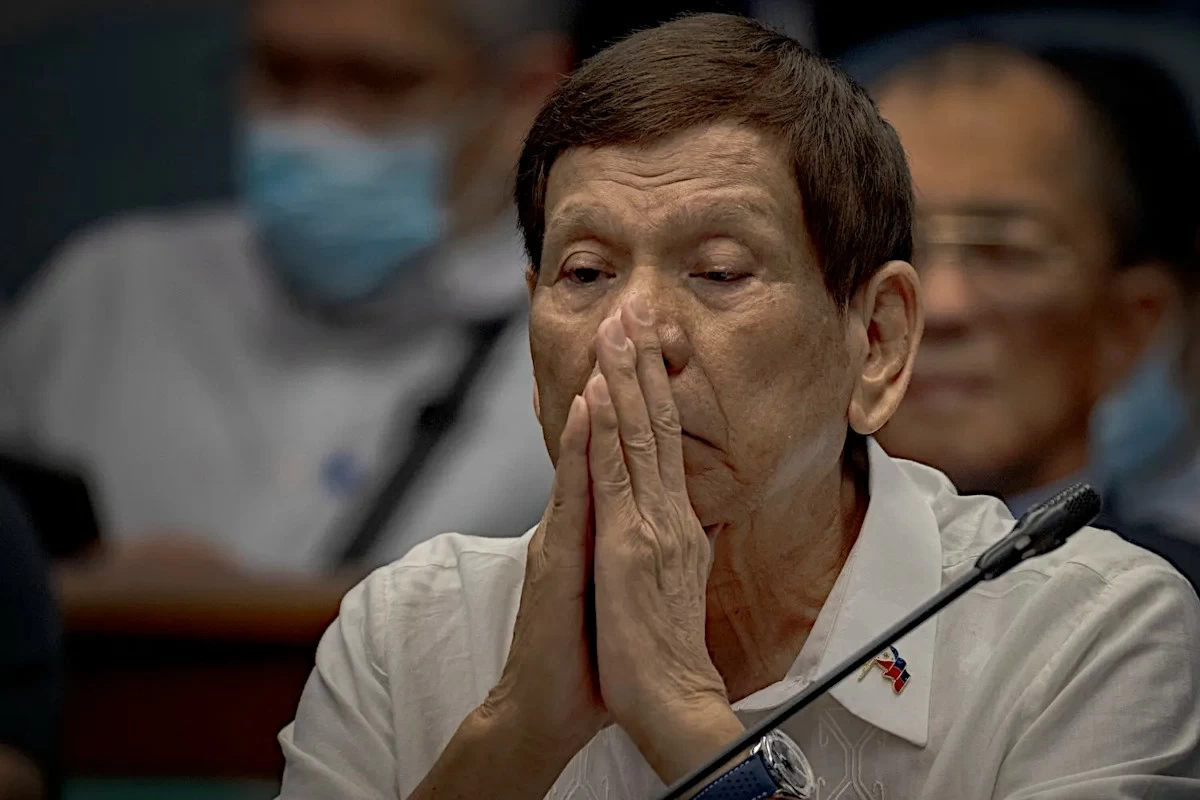
THE HAGUE, May 27: The International Criminal Court (ICC) will hold its first status conference in the case against former Philippine president Rodrigo Roa Duterte today, Wednesday, marking a key procedural step as judges prepare to outline the roadmap toward trial.
The hearing, taking place at the ICC headquarters in The Hague, will run in three sessions from 3:30 p.m. to 10:00 p.m. Philippine time and will address a wide range of pre-trial issues, including the proposed trial start date, evidence disclosure, witness protection measures, and victims’ participation.
Duterte, who faces crimes against humanity charges linked to his administration’s anti-drug campaign, will not appear in person. Trial Chamber III approved his request to waive attendance, provided a signed written waiver was submitted, with his legal representation now handled by counsel Peter Haynes and associate counsel Kate Gibson.
According to the agenda, judges will discuss anticipated evidence, including the number of witnesses, documentary materials, expert testimony, and audiovisual submissions, as well as the possible application of ICC Rule 68, which allows previously recorded testimony under certain conditions.
Other key topics include agreed facts under Rule 69 to streamline proceedings, language and interpretation requirements for witnesses and parties, and disclosure obligations involving prosecution evidence, translations, and timelines.
The court will also consider sensitive issues such as witness protection measures, including delayed disclosure of identities, alongside potential expansion of incidents under investigation and unresolved pre-trial motions.
Victims’ participation will be another major focus, with deadlines expected for applications and reports from the Victims Participation and Reparations Section.
Although largely procedural, today’s conference is expected to set the framework for the case, particularly regarding timelines and evidentiary disclosure, which will shape the pace of proceedings leading up to trial.