



26/06/2026

Share:
26/06/2026
Share:
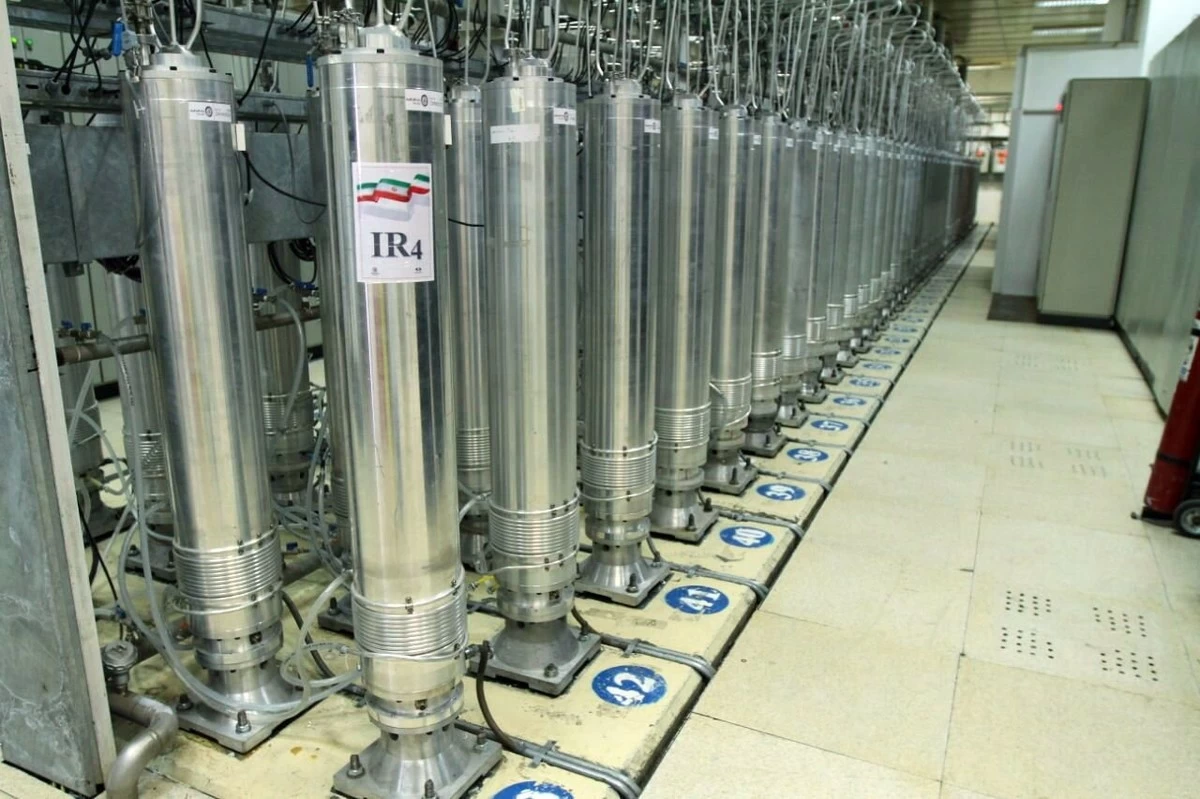

TOKYO: The head of the UN nuclear watchdog has stressed that Iran's assurances about its nuclear ambitions must be backed by rigorous international inspections, saying a strong verification system is essential under the preliminary US-Iran agreement.
Speaking at a news conference in Tokyo, Rafael Grossi, Director General of the International Atomic Energy Agency (IAEA), said the memorandum of understanding between Washington and Tehran requires IAEA inspectors to regain access to Iran's nuclear facilities despite suggestions from Iranian officials that key sites would remain off-limits until a final agreement is reached and sanctions are lifted.
"There is an agreement, and to comply with that agreement, the IAEA will have to have access and inspect," Grossi said, adding that the agency hopes to resume inspections "as soon as is practicable."
Grossi acknowledged that Iran has stated it does not intend to develop nuclear weapons but emphasized that declarations alone cannot replace independent verification, particularly following the recent conflict in the region.
"Iran has said it has no intention of developing nuclear weapons. But intentions are not enough. We have to have a very strong verification system in place," he said.
The IAEA chief also revealed that discussions with Tehran over the future of its enriched uranium stockpile are still at an early stage.
"Initial conversations have taken place. We expect this work to pick up soon," Grossi said, noting that negotiations had "barely initiated" following the preliminary understanding between the United States and Iran.
The agency's oversight has been significantly limited since Tehran suspended cooperation with the IAEA last July under legislation passed by parliament after last year's 12-day war with Israel. The move curtailed inspectors' access to critical elements of Iran's nuclear program, increasing international concern over transparency and monitoring.
Grossi's remarks underscore the IAEA's insistence that any lasting nuclear agreement must include unrestricted inspections and robust verification measures to ensure Iran's compliance with its commitments.