



13/01/2026

Share:
13/01/2026
Share:
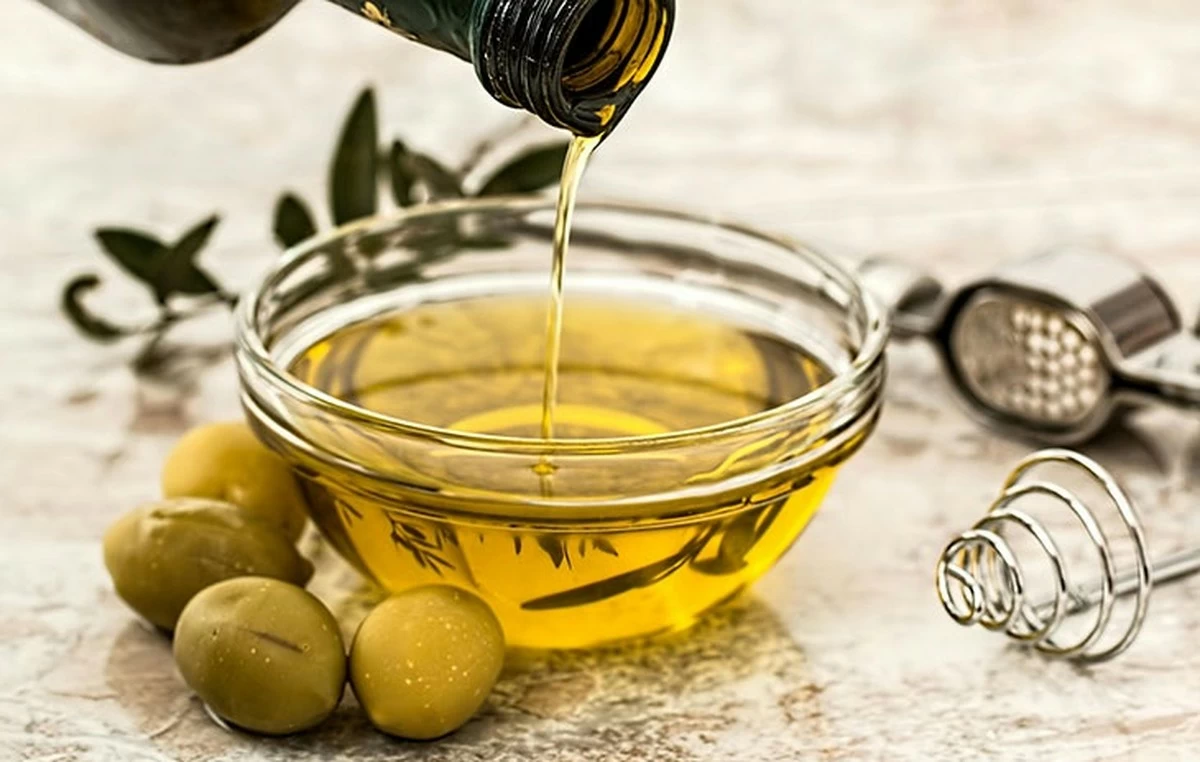

KUWAIT CITY, Jan 13: A new wellness trend circulating on social media involves taking a “shot” of olive oil—drinking 1 to 2 tablespoons of olive oil straight—in the name of health. Wellness influencers claim it boosts heart health, reduces inflammation, aids digestion, or improves brain function.
“The olive oil ‘shot’ trend is exactly what it sounds like: people drink or swallow a small amount of olive oil on its own,” said Roxana Ehsani, M.S., RD, CSSD. The practice has gained attention online, but nutrition experts say it is not necessary for health benefits.
The term “shot” is informal and varies in measurement. “Most people think of it similar to a shot of liquor, which is 1.5 ounces, but in nutrition terms, it’s about 1 to 2 tablespoons per serving,” said Amy Shapiro, M.S., RD, CDN.
Olive oil is a key component of the Mediterranean diet and has been linked to health benefits, including improved heart health, blood sugar control, and weight management. However, dietitians agree that consuming olive oil as a shot may not be the best approach. The benefits come from incorporating it consistently into meals rather than taking it alone.
Health benefits of olive oil
Olive oil is rich in monounsaturated fats, particularly oleic acid, which may lower LDL (“bad”) cholesterol and reduce the risk of coronary heart disease. One long-term study found that replacing butter, margarine, or mayonnaise with olive oil was associated with a 5% to 7% lower risk of heart disease, attributed to lower saturated fat intake and the oil’s antioxidant content.
It also contains phenolic compounds and vitamin E, providing anti-inflammatory and antioxidant effects that support vascular health. Olive oil can increase nitric oxide levels, helping blood vessels relax and potentially lowering blood pressure.
Adding olive oil to meals improves the absorption of fat-soluble vitamins found in vegetables such as broccoli, kale, tomatoes, sweet potatoes, and carrots. Using it on salads or roasted vegetables can also encourage higher vegetable consumption, important since many adults do not eat enough vegetables.
Olive oil has also been linked to brain health. Mediterranean diets high in extra-virgin olive oil are associated with lower rates of cognitive decline, improved cognitive performance, and reduced risk of dementia.
Regular olive oil consumption may also reduce the risk of chronic disease and premature death. Studies indicate that people with higher olive oil intake—about half a tablespoon per day—are less likely to die from heart disease, cancer, neurodegenerative conditions, and respiratory diseases. However, researchers note that those who consume olive oil often maintain healthier overall diets.
Potential downsides of olive oil shots
While safe in moderation, taking olive oil straight can have drawbacks. Some people may experience digestive upset, including diarrhea or stomach pain, when consuming a large amount of fat at once.
Olive oil is calorie-dense, with one tablespoon containing about 120 calories and 13.5 grams of fat. A typical “shot” of 2 tablespoons contains roughly 240 calories and 27 grams of fat, which can contribute to weight gain if added on top of regular dietary oils.
Drinking olive oil straight is also generally considered unpalatable and difficult to sustain as a habit. Experts recommend incorporating it into meals for a more enjoyable and consistent approach.
Choosing a quality olive oil
Experts advise selecting extra-virgin olive oil, which is the purest form, rich in antioxidants and phenolic compounds. Barbara Ruhs, M.S., RDN, recommends buying olive oil in dark bottles or tins to protect it from light and checking expiration dates to ensure freshness. High-quality extra-virgin olive oil should smell and taste fresh, fruity, and slightly peppery or bitter, indicating healthy polyphenols.
Best ways to enjoy olive oil
Dietitians recommend using olive oil throughout meals rather than as a shot. “I like to drizzle it over roasted vegetables, finish soups or grains, make salad dressings, use it on toast, or dip bread into it,” said Shapiro. Ehsani adds, “Replacing butter or margarine with olive oil in recipes reduces saturated fat intake and enhances vitamin absorption from vegetables.”
Expert advice
Olive oil is a nutrient-rich fat with proven health benefits, but experts caution against drinking it straight. “The idea of taking a shot of olive oil, especially on an empty stomach, is mostly social media hype, not evidence-based nutrition practice,” Shapiro said. “The benefits come from consistent use in meals, not from downing it alone.”
For those who find olive oil shots unappealing, incorporating it into salads, roasted vegetables, grain bowls, or marinades can provide both flavor and health benefits.