


30/04/2026

Share:
30/04/2026
Share:

RIYADH, Apr 30: Saudi residents are paying closer attention to oil linked currency pairs because the market is moving faster and reacting harder to regional energy headlines. When oil disruption, shipping risks, or supply concerns suddenly hit the region, currencies connected to commodity sentiment can shift quickly. In Saudi Arabia, that matters more than in many other places because oil is not just another market theme. It is part of the broader financial atmosphere that traders live with every day. Reuters reported in April that disruption around the Strait of Hormuz became the biggest energy supply disruption on record, while Saudi Arabia’s East West Pipeline remained one of the key alternative routes for crude flows.
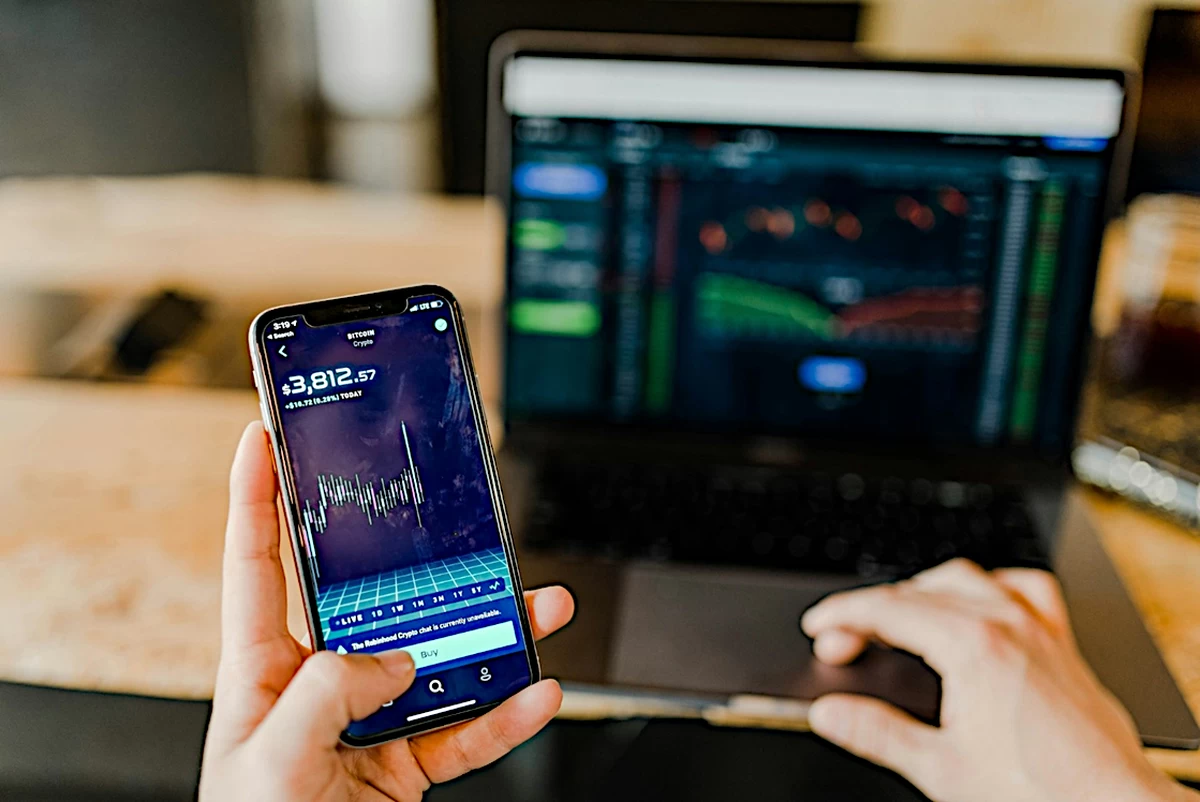
That is why a reliable trading app matters more than it used to. Traders in Riyadh, Jeddah, and Dammam are often following markets while moving through the day, not sitting in front of one fixed screen. When Brent swings sharply, Aramco adjusts flows, or sentiment around oil linked pairs turns quickly, the trader who can react cleanly has a real advantage. Reuters also reported that attacks in April cut Saudi oil production capacity by around 600,000 barrels per day and reduced East West Pipeline throughput by about 700,000 barrels per day, showing how fast the local energy picture can reshape market mood.
Why oil linked pairs move too quickly for slow accessOil linked currency pairs tend to respond when energy prices move sharply or when supply disruption changes global risk appetite. In Saudi Arabia, traders feel that link more directly because energy headlines often carry immediate local relevance. Reuters reported that higher oil prices and Hormuz disruption created uneven fortunes across the region, with Saudi Arabia benefiting from stronger revenues even as the wider market stayed tense.
When that kind of volatility enters the market, the biggest problem is often timing. A move can begin while the trader is away from a desk, in traffic, between meetings, or traveling across the city. By the time they sit down again, the best entry may already be gone. That is why mobile access has become more valuable. It helps the trader stay close enough to the market to act while the move is still alive.
The main point is simple. A market driven by oil disruption does not move politely. It jumps, pauses, and then surprises people again. In that kind of environment, quick access stops being a convenience and starts becoming part of the edge.
How a reliable app improves reaction timeA strong mobile platform helps traders do more than just glance at prices. It helps them react with structure. In Saudi Arabia, where market sentiment can change quickly after an oil headline or a fresh regional update, that structure matters. Reuters reported in late April that Gulf markets stayed mixed as the continued Hormuz closure weakened optimism and kept the market uneasy.
A reliable app lets traders check charts quickly, monitor price alerts, and manage positions without unnecessary delay. That may sound basic, but in a fast market, basic things matter the most. A trader who can adjust a stop, reduce risk, or respond to a breakout within seconds is in a stronger position than someone waiting to get back to a desktop screen.
Think of it like driving through Riyadh just as traffic suddenly tightens. You do not only want a car that moves. You want one that responds cleanly when conditions become unpredictable. The same applies here. When oil linked pairs begin reacting to supply shocks or regional headlines, the app becomes part of the trader’s control system.
Why mobility fits the Saudi trading routineMany Saudi traders follow markets alongside business, work, and travel, so mobile access matches the reality of how trading actually happens. A desktop terminal may still be useful, but a dependable mobile setup is what keeps traders connected when the market moves outside perfect trading conditions. Reuters reported that Gulf oil output had been sharply reduced at one stage, with Goldman Sachs estimating that about 14.5 million barrels per day of production had been offline before reopening prospects improved.
That kind of volatility does not wait for ideal timing. It can begin in the middle of the day, during a commute, or when the trader is away from their main setup. A mobile platform helps bridge that gap. It gives traders a chance to stay involved, not by forcing constant action, but by keeping them ready when the important move begins.
This is why the shift makes sense. Saudi residents are not leaning toward mobile trading apps just because they are modern. They are doing it because the market has become more event driven, more regional, and more sensitive to energy disruption than before.
ConclusionA reliable trading app helps Saudi residents catch fast moves in oil linked currency pairs because today’s market rewards speed, flexibility, and control. Reuters’ recent reporting shows a region dealing with disrupted Hormuz traffic, reduced Saudi output, changing Aramco flows, and sharp swings in energy sentiment.