


26/06/2026

Share:
26/06/2026
Share:
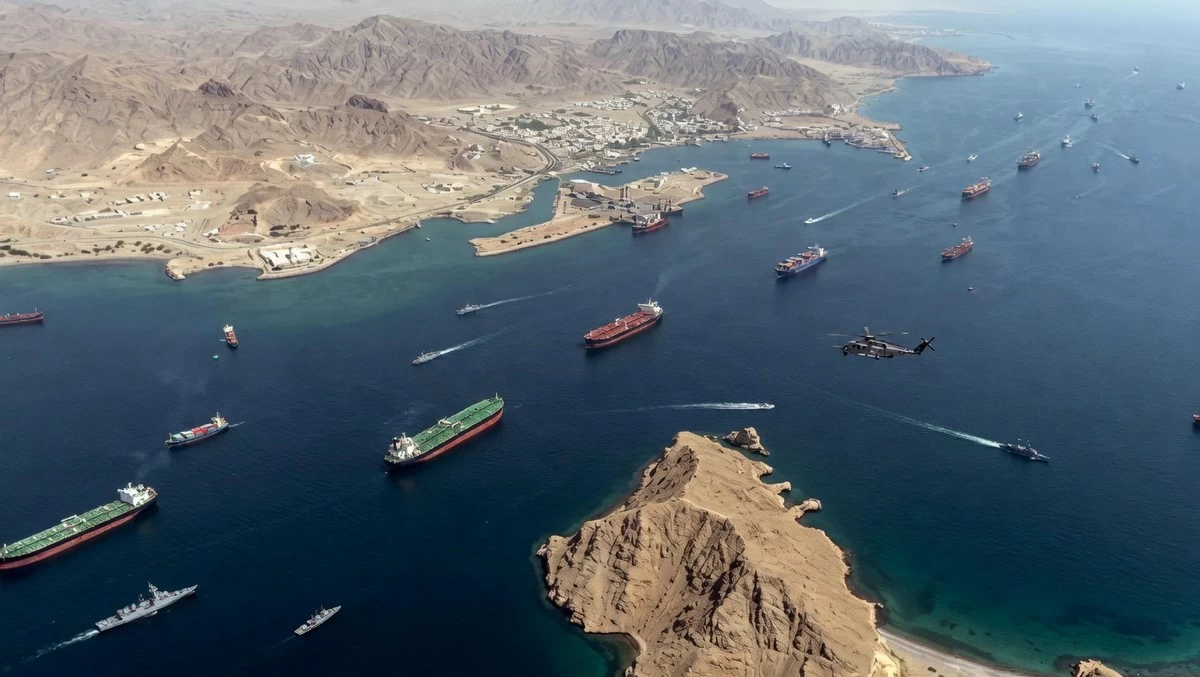

DUBAI, Jun 26: Ship traffic through the Strait of Hormuz continued in both directions on Friday despite an attack on a container vessel that prompted some shipping companies to reassess plans for one of the world’s most important energy routes.
The attack on the Ever Lovely on Thursday marked the first such incident since an interim US-Iran peace agreement was signed, leading some shipowners and captains to temporarily review transit decisions. However, vessel-tracking data showed that maritime activity through the strait continued, with traffic gradually recovering after months of disruption.
Two fully loaded oil tankers were seen departing the Gulf on Friday, while several large crude carriers entered through routes along the Omani coast. Additional tankers, cargo vessels and gas carriers also continued movements through both the southern corridor managed by Oman and the northern route closer to Iran.
Data from maritime intelligence firm Windward showed that 62 vessels transited the Strait of Hormuz on June 24, including 21 inbound and 41 outbound ships. Some vessels completed the journey with limited automatic identification system (AIS) visibility, known as “dark” transits.
The reopening of shipping activity comes amid continuing tensions over who controls maritime arrangements in the strategic waterway. Washington has insisted that Iran must allow unrestricted navigation and avoid imposing any tolls or fees on vessels using the strait as part of any permanent peace agreement.
US Secretary of State Marco Rubio warned that a tolling system could encourage other countries to impose charges at critical maritime chokepoints, creating what he described as “chaos.” Washington has also urged Oman not to establish any joint toll mechanism with Iran.
Meanwhile, Iranian Deputy Foreign Minister Kazem Gharibabadi said safe navigation through Hormuz could not be guaranteed through arrangements made without Tehran’s involvement.
“Safe passage in the Strait of Hormuz cannot be guaranteed through ambiguous arrangements, parallel routes or decision-making outside Iran’s considerations as a coastal state,” Gharibabadi wrote on social media.
He said any credible framework for maritime navigation must be based on coordination with Iran and follow the provisions of the recently signed memorandum of understanding.
“Otherwise, the designated parallel route will be suspended,” he warned.
Meanwhile, empty liquefied natural gas (LNG) carriers have begun gathering offshore Qatar as the country prepares to increase exports from Ras Laffan, one of the world’s largest LNG production hubs. The buildup of vessels suggests energy shipments through Hormuz are gradually returning toward normal levels after prolonged uncertainty.
The Strait of Hormuz remains a critical global shipping artery, with a significant share of the world’s oil and gas exports passing through the narrow waterway connecting the Gulf with the Arabian Sea.