



02/07/2026

Share:
02/07/2026
Share:
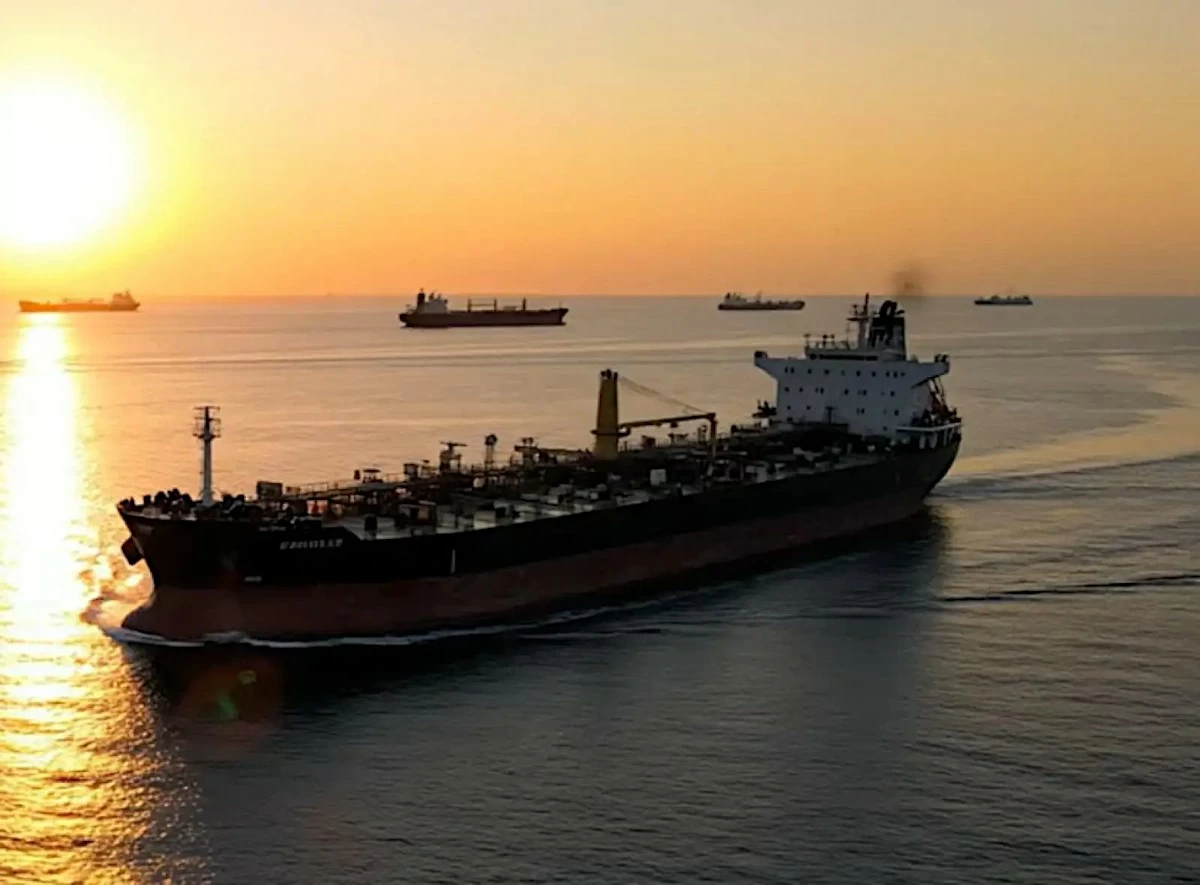

ABU DHABI, Jul 2: Global shipping through the Strait of Hormuz is gradually recovering following the US-Iran de-escalation agreement, with industry experts expecting freight rates and insurance costs to ease steadily rather than collapse.
Bilgehan Engin, president of the Turkish Forwarding and Logistics Association (UTIKAD), said the memorandum of understanding between the United States and Iran, signed on June 14 and implemented four days later, has helped restore confidence in one of the world's most critical maritime trade routes.
Commercial vessel traffic through the Strait of Hormuz has increased since the agreement took effect, although transit volumes remain about 70 percent below pre-war levels. Before the conflict, around 130 commercial ships passed through the strategic waterway each day. Traffic plunged after joint US-Israeli strikes on Iran on Feb. 28 and Tehran's retaliatory attacks disrupted shipping.
Engin said the conflict drove freight charges, insurance premiums and shipping risk costs to historic highs, particularly for tanker and container markets. While insurance premiums are now declining, freight rates are easing more slowly due to ongoing structural costs and lingering geopolitical risks.
"The market is not heading for a sharp collapse but rather a gradual and fluctuating normalization," Engin said, noting that shipping companies are renegotiating expensive long-term contracts signed during the crisis in favor of more flexible, index-linked pricing.
He added that although spot market rates are falling, the industry remains cautious because security risks have not disappeared entirely. As a result, freight prices are expected to stabilize above pre-crisis levels.
During the conflict, many vessels were rerouted around the Cape of Good Hope, increasing voyage distances and creating temporary capacity shortages. Engin said the return of ships to the Strait of Hormuz will gradually improve market balance and intensify competition, but is unlikely to trigger a severe oversupply.
Port operations across the Gulf and Red Sea were also disrupted during the crisis, with several hubs losing transit traffic while cargo was diverted to alternative routes. Engin expects Gulf ports to recover quickly as energy exports and Asia-bound container traffic resume, although recovery in the Red Sea could take longer due to continuing security concerns.
He also noted that many companies have permanently diversified their supply chains by expanding rail links, short-sea shipping and regional distribution hubs. While renewed stability in the Strait of Hormuz will restore confidence in traditional shipping lanes, alternative logistics corridors are expected to remain an important part of global trade as companies continue to prioritize supply chain resilience and risk diversification.