


18/06/2026

Share:
18/06/2026
Share:

NEW YORK, Jun 18: The reopening of the Strait of Hormuz may not immediately ease the pressure on global food prices, as the effects of the Iran war continue to ripple through supply chains, according to a report by Bloomberg.
The report examined how disruptions caused by the conflict affected the journey of a chocolate croissant produced by a London bakery, showing how higher costs for fuel, energy, fertilizer and shipping have moved from raw materials to final consumer products.
The disruption followed the US and Israeli strikes on Iran in late February and the subsequent closure of the strategic Strait of Hormuz, a key route for global energy and commodity shipments. Although the United States and Iran have reached an interim agreement expected to allow the reopening of the waterway, Bloomberg said the economic consequences are likely to persist.
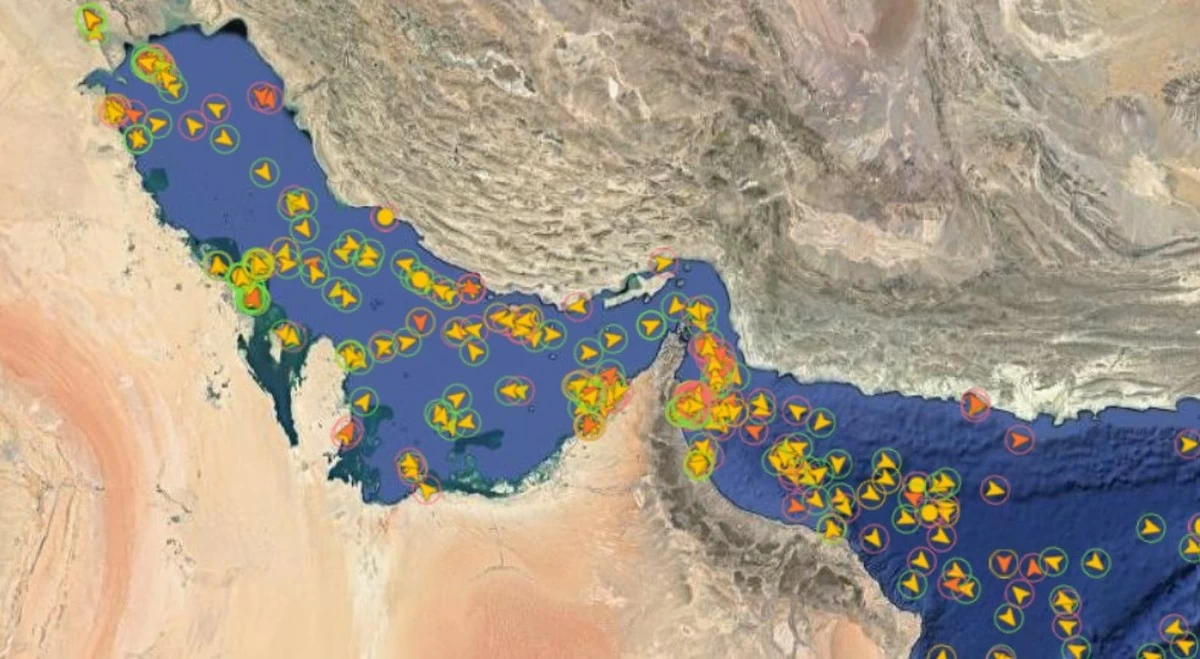
One of the biggest pressure points has been fertilizer supplies. According to tanker-tracking data compiled by Bloomberg and Kpler, more than 40 fertilizer-carrying vessels were stranded in the Persian Gulf when the interim deal was reached. Fertilizer shipments through the Strait of Hormuz dropped sharply from around 600,000 tonnes per week in late February to 60,000 tonnes in early June.
The disruption came during the critical spring planting season, increasing costs for farmers even after fertilizer prices began moving back toward pre-war levels. A French farmer told Bloomberg that off-road diesel costs had increased from €0.70 per litre before the war to €1.20, adding around €25,000 annually to operating expenses.
The cost increases have spread across the entire food supply chain, affecting mills, exporters, transport companies, bakeries and retailers. Bloomberg reported that dry-bulk freight rates have climbed 22% since the start of the war, while logistics companies introduced fuel surcharges following increases in diesel prices.
In the United Kingdom, 82% of food and drink businesses said they expected to raise prices due to the impact of the Iran war, according to a May report by the Food & Drink Federation cited by Bloomberg.
The federation’s chief economist, Liliana Danila, said that although the Strait of Hormuz is reopening, supply chains could require at least six months to normalize, while repairs to some energy infrastructure may take longer.
She added that because many food manufacturers operate under long-term contracts, some price increases may take up to a year to fully appear.
“Higher costs are now baked into the system,” Danila said.