


04/04/2026

Share:
04/04/2026
Share:
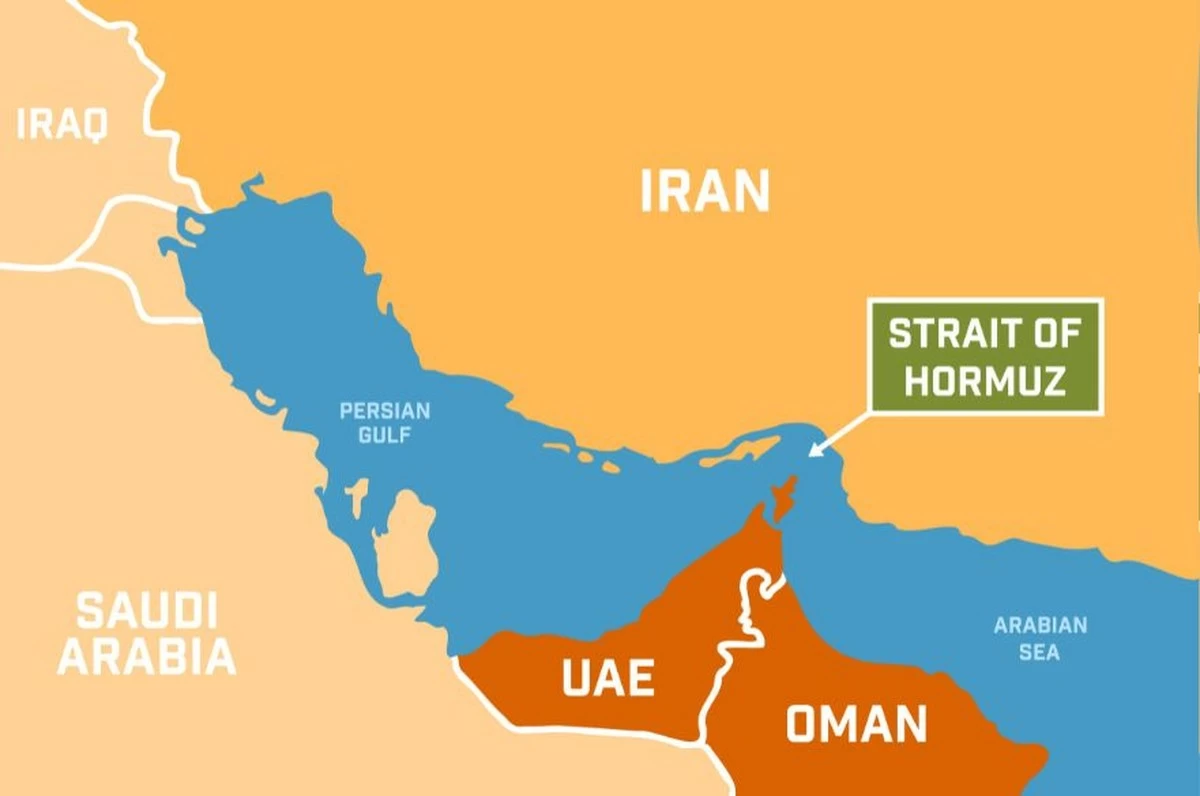

KUWAIT CITY, April 4: As Iran moves to impose transit fees on ships passing through the Strait of Hormuz amidst its ongoing conflict with the United States of America and Israel, many are wondering about the extent of its right to take such action under the international agreements governing maritime affairs. Economist Sultan Al-Jazzaf affirmed to the newspaper that the Strait of Hormuz is an international waterway, subject to the rules of the International Maritime Organization and governed by the United Nations Convention on the Law of the Sea (UNCLOS), which guarantees the right of passage for commercial, military and civilian vessels through international straits. He said the international law obligates all countries, including Iran, to abide by these rules.
Al-Jazzaf asserted that Iran has no right to close the strait or prevent the passage of commercial vessels, regardless of the reasons, as this is a violation of the international freedom of navigation, a challenge to international law, and a serious threat to the global economy. He stated that allowing Iran to impose fees on ships passing through the Strait of Hormuz will encourage other countries bordering the straits to do the same, thereby, adopting the extortion tactics of Iran. He thinks this could be a new approach that will increase global oil prices by more than $3 per barrel, in addition to raising the prices of other products passing through the Strait of Hormuz and beyond.
He emphasized that the strait does not belong solely to Iran, as Gulf states bordering the Arabian Gulf share it and have equal rights. He said Iran cannot unilaterally close the strait, as such action is not merely hostile, but a direct attack on the interests of hundreds of millions worldwide. He warned that the consequences for the global economy will be catastrophic and a threat to the stability of the whole world, not just the region.
He disclosed that Article 48 of the UNCLOS, ratified by 168 countries, stipulates the principle of the right of unimpeded passage of ships without imposing fees. He also cited Article 44 of the convention, indicating that the coastal states with straits “should not impede transit passage” and that any financial requirements for passage are considered an impediment and a violation of this right.
Regarding the imposition of fees on the Suez and Panama canals, Al-Jazzaf clarified that certain straits are not covered by the UNCLOS, particularly since the Suez and Panama Canals were constructed by their respective countries using their own funds, so they could impose fees. He said Iran did not construct the Strait of Hormuz it was formed through topography and natural forces, so Iran has no right to demand payment for its use.
Asked about the impact of the Strait of Hormuz closure on the global economy, he said the whole world has been experiencing its worst economic crisis since the outbreak of the war between America and Israel against Iran. He pointed out that a fifth of the world’s oil trade passes through the Strait of Hormus, hence, the global market has been witnessing the most severe geoeconomics shock since the Iran-Iraq War. He added that the crisis is not limited to the energy sector, as it has extended to other market like aluminum, petrochemicals, sulfur and many other products used in various industries.
He indicated that the global agricultural sector continues to bear the brunt of the closure of the Strait of Hormuz, the repercussions of which have extended to sectors that are vital for ordinary people, most notably agriculture, due to the rise in fertilizer prices, following the severe disruption of supply chains. He emphasized that rising energy prices are the primary driver of global inflation, and the current conflict proved that Gulf oil production is the main factor in the performance of the global economy -n a fact that the whole world witnessed last month.
He said the current war, which is now into the second month, has affected global financial markets, citing the decline of American stocks to their worst quarter, as well as the decline of European stocks in March. He added that many European stock indices went down, thus, March is considered one of the bloodiest months for global stock market activity.
By Najeh Bilal Al-Seyassah/Arab Times Staff