


15/03/2026

Share:
15/03/2026
Share:

KUWAIT CITY, March 15: When the price of Kuwaiti oil increased to $143 per barrel on Saturday following the onset of the crisis between Israel and the United States against Iran, two experts confirmed to the newspaper that the continuous closure of the Strait of Hormuz is pushing oil prices to exorbitant levels. These experts revealed that Kuwait Petroleum Corporation (KPC) has been forced to reduce oil production due to the escalating crisis.
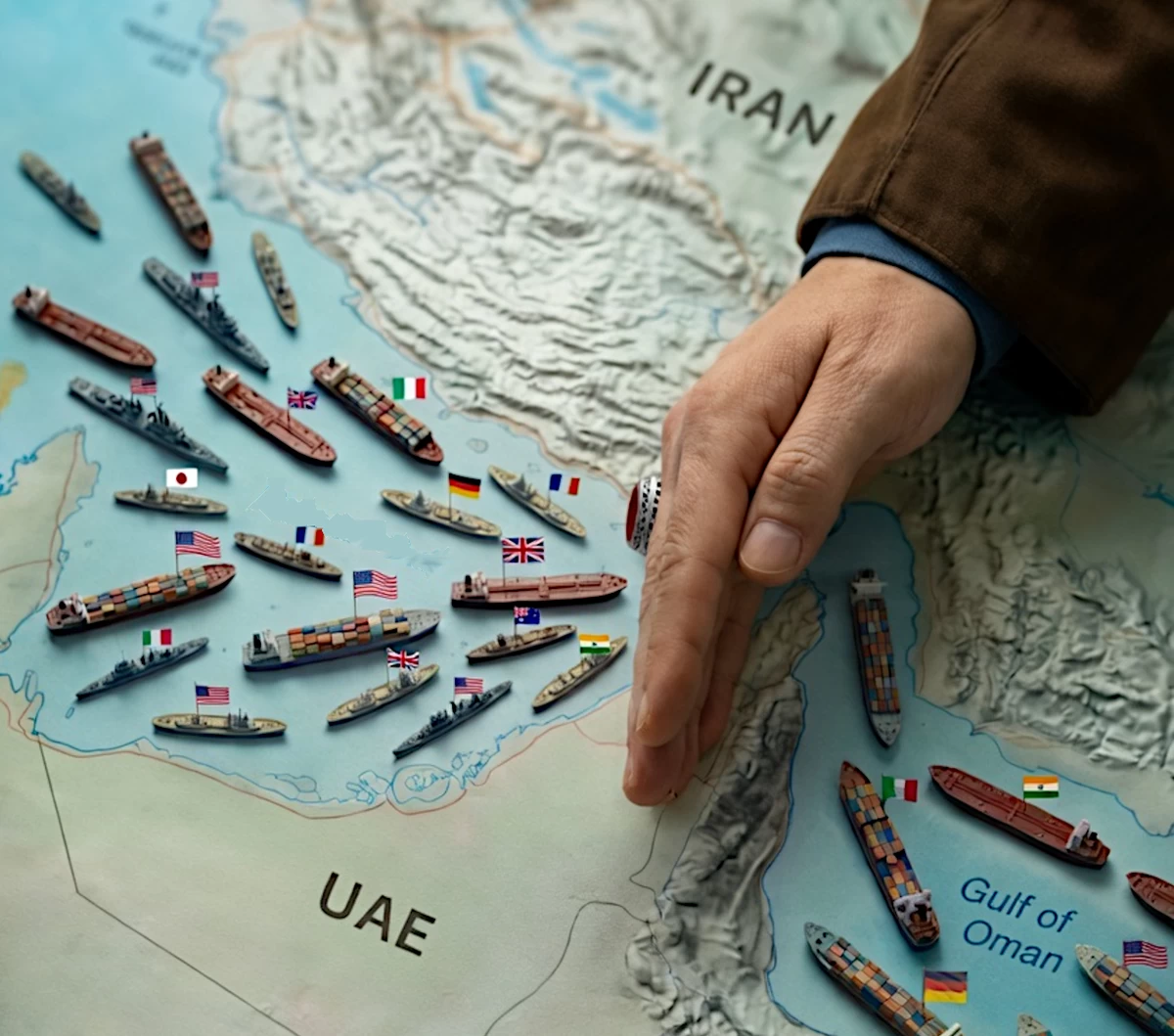
They stressed the need for the Kuwaiti oil sector to learn from this experience by increasing its overseas storage capacity and connecting local oil pipelines to the Saudi and Emirati oil transport networks to ease the delivery of Kuwaiti crude oil to the Arabian Sea. Oil refining and marketing expert Abdulhamid Al-Awadhi stated that the recent decision of KPC to reduce production by invoking force majeure clauses in crude oil and petroleum product sales contracts was inevitable, given that the Iranian Revolutionary Guard and Parliament declared the closure of the Strait of Hormuz in the early days of the war, claiming that international law granted Iran the right to protect its territorial waters during wartime.
Al-Awadhi clarified that there is a huge difference between protecting territorial waters and closing an international waterway, which is a vital artery for oil transport and concerns seven Arab countries -- five of which are rich in hydrocarbon resources that significantly impact global trade. He cited Article 44 of the 1982 United Nations Convention on the Law of the Sea (UNCLOS), which prohibits coastal states from hindering or suspending the ‘transit passage’ of foreign vessels and aircraft through international straits. He said this article mandates countries bordering straits to not hamper transit and they must publicize known dangers to navigation or overflight.
He disclosed that one reason why Kuwait invoked the force majeure clause is the ongoing official Iranian threats to close the Strait of Hormuz should war break out in the region. He added that oil tankers had already been damaged, prompting international insurance companies to document these incidents. “Furthermore, oil fields, refineries and storage facilities belonging to countries bordering the strait and others within the Gulf region had been targeted,” he said. He stated that the Strait of Hormuz is almost completely closed, with the average number of transiting vessels dropping from 65 to five, indicating 95 percent transit rate.
He revealed that Kuwait’s decision to reduce production stemmed from a decline in shipping and unloading operations at its ports, as well as the rise in oil storage levels. He affirmed that Kuwait authorized the activation of the force majeure clause, which exempts the seller from liability, loss or legal compensation claims in the event of a breach of the sales contract due to failure to deliver the oil quantity because of circumstances beyond its control, such as war or natural disasters.
He said the seller is entitled to reduce the quantity to a reasonable level, while the buyer has the right to demand the agreed-upon quantity if a legal loophole exists that the clause did not cover for the seller and if the seller did not exert its utmost effort to provide the required quantity. Regarding the impact of reducing domestic oil production on the State budget, Al-Awadhi revealed that Kuwait’s production before the crisis was around 2.58 million barrels per day, with domestic consumption ranging from 450,000 to 470,000 barrels per day. He pointed out that any reduction will have negative repercussions on national revenues despite the remarkable increase in the price of oil.
On the other hand, economist Nasser Al-Mutairi predicted that the price of oil will exceed $180 per barrel if the current crisis in the region continues. He said the global economy will be affected by the rise in oil prices, especially since 20 percent of global oil consumption passes through the Strait of Hormuz.
He stressed that the rapid increase in oil prices has led to the collapse of stock markets in East Asia, citing the enormous losses suffered by the South Korean and Japanese stock markets last week. He said South Korea and Japan rely heavily on Gulf oil to power their industrial equipment and machinery, stating that in addition to the volatility in financial markets, a two-month continuation of the war could lead to a surge in energy prices and disruption of global trade. He explained that the shock of war could cause structural imbalances in the world’s economies, as demand for essential goods like food and medicine will increase to mitigate risks should the war drag on.
He warned that price hikes will affect all markets, indicating that KPC had a proactive mindset, as it stored quantities of Kuwaiti crude oil in the countries that consume the most Kuwaiti oil. He was quick to add that the current crisis necessitates increasing external storage, enough for the countries importing Kuwaiti oil for at least a month, with the need to link the local Kuwaiti oil pipelines to the oil transport pipeline networks in the Kingdom of Saudi Arabia and the United Arab Emirates (UAE) to facilitate the arrival of Kuwaiti oil to the Arabian Sea.
By Najeh Bilal Al-Seyassah/Arab Times Staff