


21/12/2025

Share:
21/12/2025
Share:
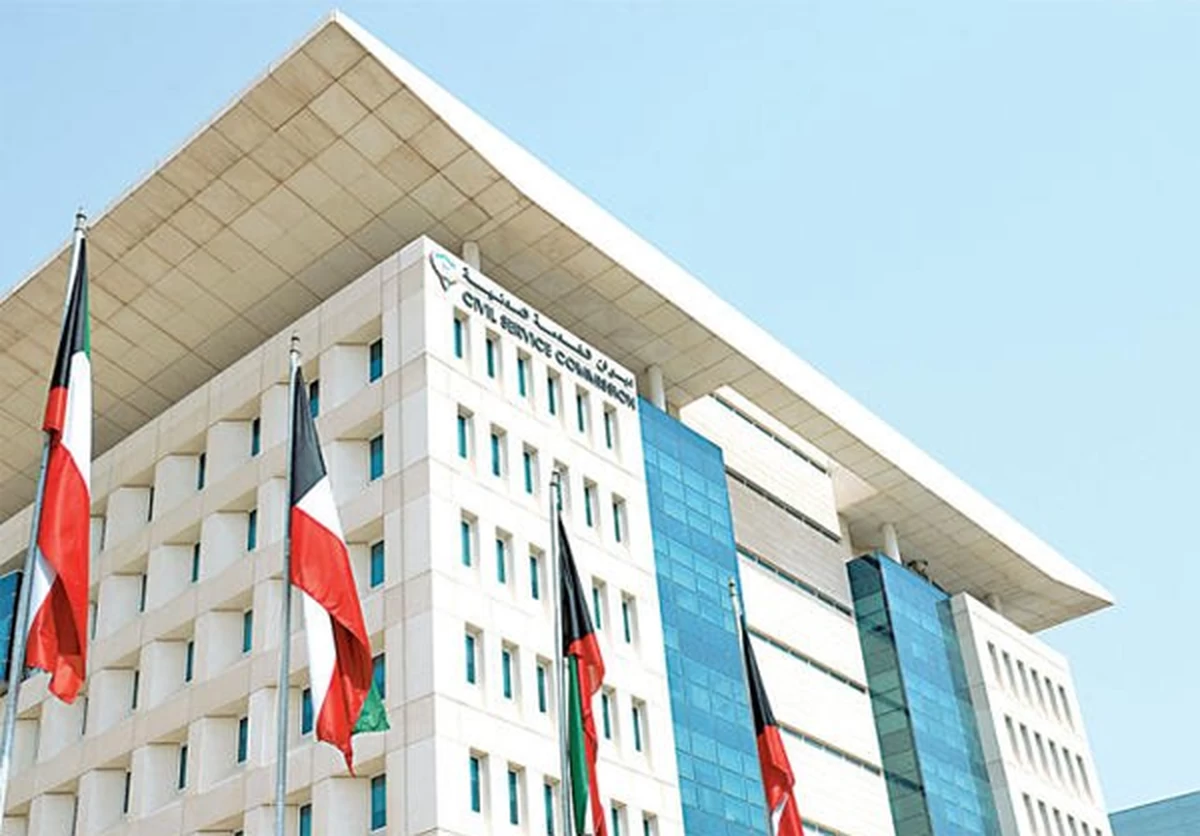

KUWAIT CITY, Dec 21: The Civil Service Commission (CSC) has confirmed that official working hours for government employees during the holy month of Ramadan will remain flexible, with a total working duration of four and a half hours for morning shift staff. The arrangement is based on the Commission’s earlier announcements issued on February 17, 2024, and February 18, 2025, which stipulated flexible working hours for government entities during Ramadan.
According to informed sources at the CSC, employees will be allowed to choose their entry time within a flexible window between 8:30 am and 10:30 am. Employees will then leave after completing the required four and a half hours of work. The system is designed to accommodate employees’ needs during Ramadan while ensuring continuity and efficiency in government services.
The sources explained that the Commission has also ensured the continuation of three key employee benefits during Ramadan. These include a 15-minute grace period at both the beginning and end of the workday for all employees, an additional 15-minute allowance at the end of the workday for female employees, and the continued ability to request official permission for leave or late arrival in accordance with existing regulations.
They clarified the mechanism for calculating these benefits as follows:
– The 15-minute grace period begins after the final permissible arrival time of 10:30 am.
– Any delay is calculated starting after the grace period ends at 10:45 am.
– Permission hours are calculated from the employee’s actual arrival time, provided it falls within the approved arrival window from 8:30 am to 10:30 am.
In addition to the flexible system, the decision allows government entities to adopt one of five fixed working schedules during Ramadan, while maintaining the approved grace period. Under this arrangement, an entity may require employees to adhere to a single fixed schedule or select one schedule from the approved options, after which the chosen arrival and departure times become mandatory and non-flexible.
The five approved time slots are:
– From 8:30 am to 1:00 pm
– From 9:00 am to 1:30 pm
– From 9:30 am to 2:00 pm
– From 10:00 am to 2:30 pm
– From 10:30 am to 3:00 pm
When an employee is assigned to a fixed schedule, they are required to comply strictly with the designated arrival and departure times and may not switch between flexible hours.
Several important notes accompany the decision. The fingerprint-based attendance verification for “proof of presence” is fixed at two hours after the employee’s morning arrival time. The flexible working hours system does not apply to employees who are subject to reduced working hours or those covered under unpaid partial absence arrangements; their attendance is governed by one of the five approved fixed schedules. The decision also does not affect existing shift-based or on-call work systems.
Furthermore, government entities with special operational requirements or unique work conditions must submit proposals to the Civil Service Commission for approval, provided that the total daily working hours do not exceed four and a half hours.
The sources indicated that the system is scheduled to be implemented during Ramadan in 2026, unless a competent authority directs the Commission to introduce amendments. Any such changes, they noted, would be minor.
Separately, the Civil Service Bureau has been classified as a distinguished government entity in the provision of digital services. This recognition reflects the Bureau’s pioneering role in launching the first fully integrated digital government journey, known as the “Newborn Journey,” and its ongoing commitment to enhancing performance through digital transformation.
They added that the classification is the result of a long-standing effort to advance digital transformation, which began early with the introduction of the government’s first fully integrated digital service. Among the Bureau’s landmark initiatives was the launch of the central government employment registration platform, established under Cabinet Resolution No. 551 of 1999, positioning the Diwan as a leader in digital innovation within the government sector.