


22/11/2026

Share:
22/11/2026
Share:
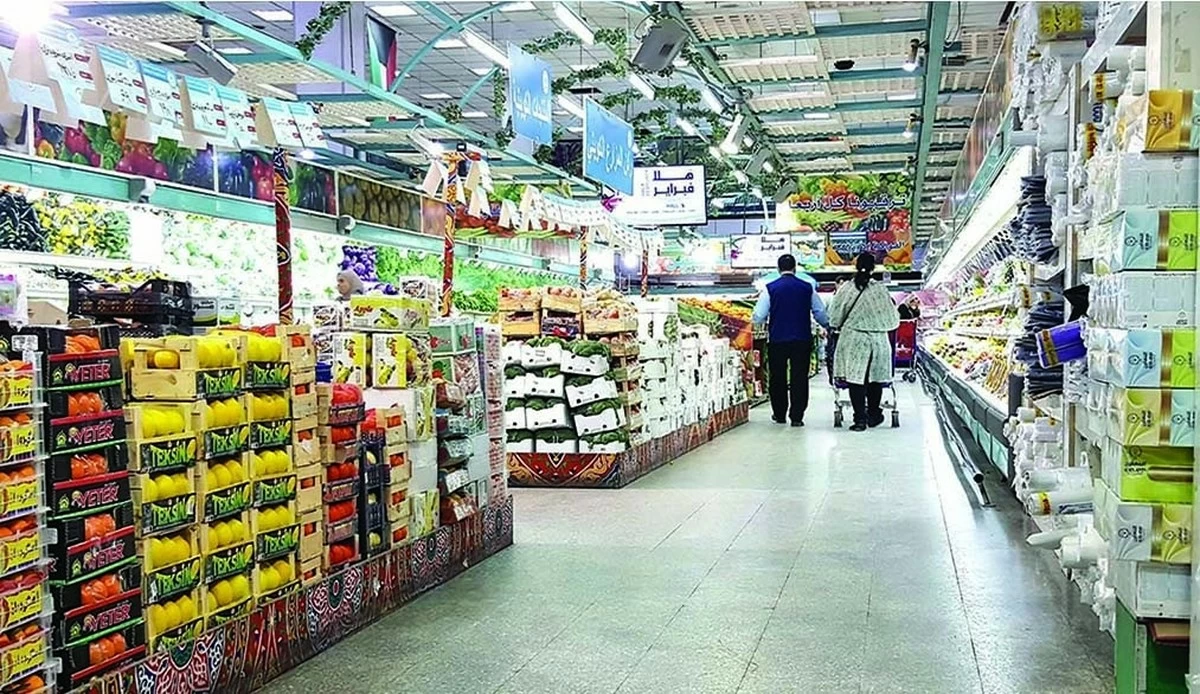

KUWAIT CITY, Nov 22: Minister of Social Affairs, Family and Childhood Affairs Dr Amthal Al-Huwayla has issued new regulations governing the investment and operation of kiosks in the central markets of cooperative societies, introducing limits on kiosk sizes, investment periods and eligibility requirements while reserving at least 50% of kiosks for small business owners.
Ministerial Decision No. 378 of 2026 was published in the Official Gazette, Kuwait Alyoum, Issue No. 1818, dated Nov 22, 2026, and takes effect from the date of publication.
Under the decision, cooperative societies may allocate kiosks, also known as booths, exclusively on the ground floor of their central markets, subject to obtaining the necessary approvals and licenses from the relevant authorities.
The regulations divide kiosk activities into two categories: essential and vital activities, and service activities.
Essential activities
The first category covers fish sales, butcheries, flour mills, pastries, sweets and baked goods. The combined area allocated to these activities must not exceed 48 square meters, with each individual kiosk limited to a maximum of 12 square meters.
Cooperative societies must also provide mechanical ventilation and odor extraction systems for fish and butchery kiosks.
Service activities
The second category includes key cutting, watch repairs, traditional food stalls selling products such as lupini beans and coffee, mobile phone and accessories shops, and flower and plant outlets.
The total area allocated to service kiosks must not exceed 20 square meters, while each individual kiosk is restricted to a maximum of four square meters.
The location, size or activity of any kiosk cannot be changed without prior approval from the Ministry of Social Affairs and fulfillment of all required licensing conditions.
Highest investment bid to win
Before offering kiosks for investment, cooperative societies must prepare a distribution plan for the ground floor in coordination with the Ministry.
The plan must ensure smooth movement of shoppers and visitors, prevent obstruction of entrances, exits and passageways, and comply with security and safety requirements. Each kiosk must also be assigned a separate automated identification number.
Under Article 3, investment contracts will be awarded to the highest bidder among applicants who meet the prescribed conditions.
The basic investment value will be determined according to the kiosk's size, nature of activity and location. The support measures provided for essential and vital activities will apply, while service activities will be excluded from these support arrangements.
Three-year contracts for essential activities
The decision sets different investment periods depending on the nature of the activity.
Kiosks engaged in essential and vital activities will receive investment contracts for three years, while service-oriented kiosks will have one-year contracts. Both categories may be renewed for similar periods.
Renewal will depend on continued compliance with investment requirements, adherence to contractual terms and regulations, and the absence of established violations that would prevent renewal.
50% of kiosks reserved for small businesses
Article 5 requires cooperative societies to allocate at least 50% of their total kiosks to entrepreneurs operating small businesses.
This provision will be implemented in accordance with Ministerial Resolution No. 75/T of 2019, its amendments and the relevant regulations and instructions issued under it.
Three-month deadline to regularize existing kiosks
The decision grants cooperative societies a maximum of three months from its implementation to conduct a comprehensive inventory of all existing kiosks in their central markets.
They must submit a detailed report to the relevant Ministry department identifying each kiosk's location, size, activity, investor, contract details and duration, along with the approvals and licenses issued for its operation.
Existing kiosks must also be brought into compliance with the new regulations. This includes incorporating them into the approved distribution plan, assigning automated identification numbers and securing all necessary approvals and licenses.
However, contracts that were validly concluded and remain in force when the decision takes effect will continue until their existing expiry dates.
Such contracts cannot be renewed unless the kiosks concerned have been brought into compliance with the new requirements.
Where a kiosk cannot be regularized because it fails to meet the prescribed conditions, the cooperative society must take the necessary legal measures to remove it or terminate its operation in coordination with the Ministry.
The relevant Ministry department will monitor compliance by cooperative societies and review their distribution plans, investment announcements, contracts, licenses, approvals and other documents relating to kiosk operations.
Legal measures will be taken against any violations detected.
The decision directs all concerned authorities, each within its respective jurisdiction, to implement its provisions from the date of publication in the Official Gazette.