



03/09/2026

Share:
03/09/2026
Share:
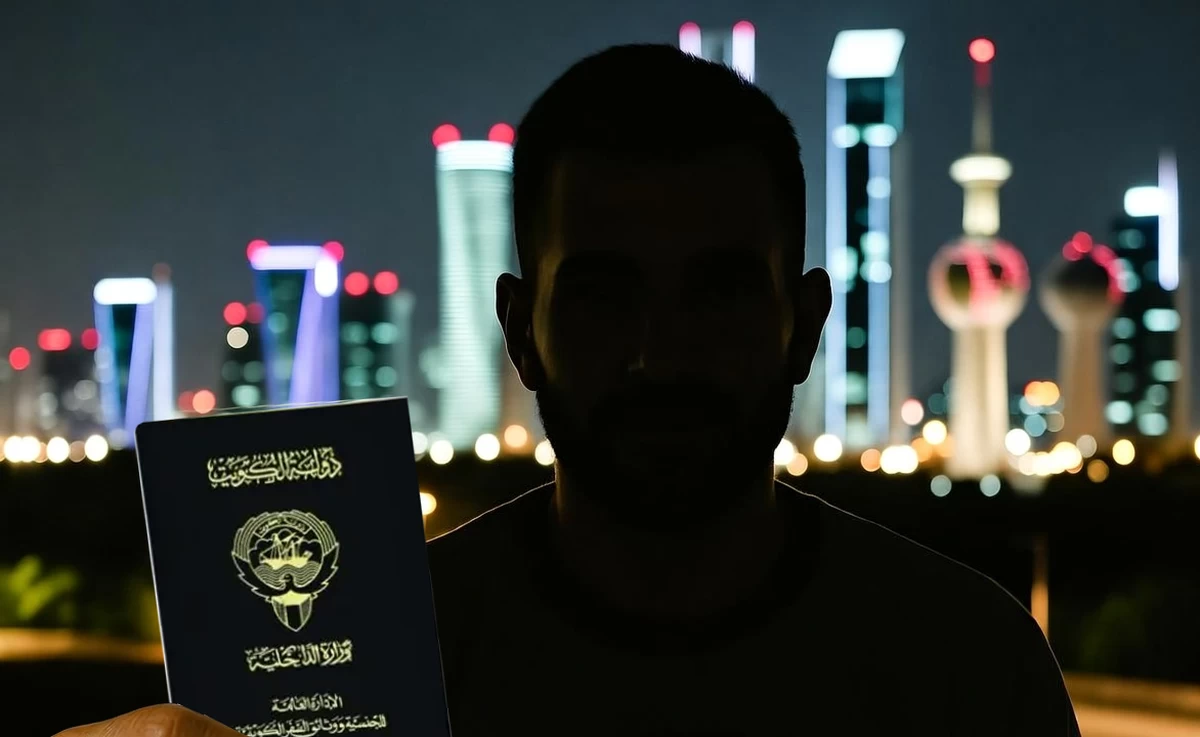

KUWAIT CITY, Sept 3: Leaving Kuwait two years ago did not stop investigators from uncovering the real identity of a man at the center of one of the country’s most complex nationality investigations. Born in 1949 and granted Kuwaiti citizenship in 1968, the man, identified in the case file as (M), is now at the heart of an investigation that could affect up to 153 people.
What began as a decades-old nationality file took a dramatic turn when investigators reopened the case and found that the witnesses who had supported M’s citizenship application had also appeared in other forgery cases. Their repeated presence raised suspicions that the testimony used to establish his Kuwaiti lineage may not have been an isolated incident.
Investigators then examined the heirs of the Kuwaiti citizen who was officially recorded as M’s father. M’s name was reportedly missing from the list of heirs, adding another major question mark over the claimed family relationship.
The investigation went further. By tracing M’s entry and exit records, nationality detectives were able to identify what they believe was his real Gulf identity and link it to the person recorded in Kuwait’s nationality files.
His family file raises even more questions
Investigators also examined M’s immediate family and found that he had four wives — two registered in Kuwait as Bidoon and two holding Gulf nationality. One of the wives registered as stateless was reportedly found to possess a Gulf nationality document, with investigators obtaining a copy as part of the case.
But the most decisive piece of evidence was waiting in Kuwait.
Although M had fled the country, a DNA sample taken from him during an earlier transaction had been preserved by the Criminal Evidence Department. Investigators used the sample to compare his genetic relationship with people recorded as his half-siblings under the Kuwaiti man listed as his father.
The results, according to the investigation, were conclusive: M was not biologically related to his supposed siblings, effectively resolving the disputed lineage through genetic evidence and strengthening the documentary and investigative findings against his nationality record.
One man, a massive family file
The case does not end with M. His name appears on the file of his supposed Kuwaiti father alongside 28 sons and daughters from six wives, and authorities are now examining the wider family structure.
Citizenship had previously been withdrawn in the file of one of M’s brothers, affecting 129 dependents. In M’s case, the withdrawal extended to him and 43 sons and daughters, bringing the number of affected dependents in the two brothers’ files to 282, excluding the two brothers themselves.
Authorities have now referred M’s file to the Supreme Committee for Nationality Investigation, while the wider family file remains under examination and is being progressively reviewed.
The investigation illustrates how authorities are combining old nationality records, witness histories, inheritance records, border movements, Gulf documents and DNA testing to revisit cases that remained unresolved for decades — showing that even an identity established more than half a century ago can be reopened when new evidence emerges.