



07/05/2026

Share:
07/05/2026
Share:
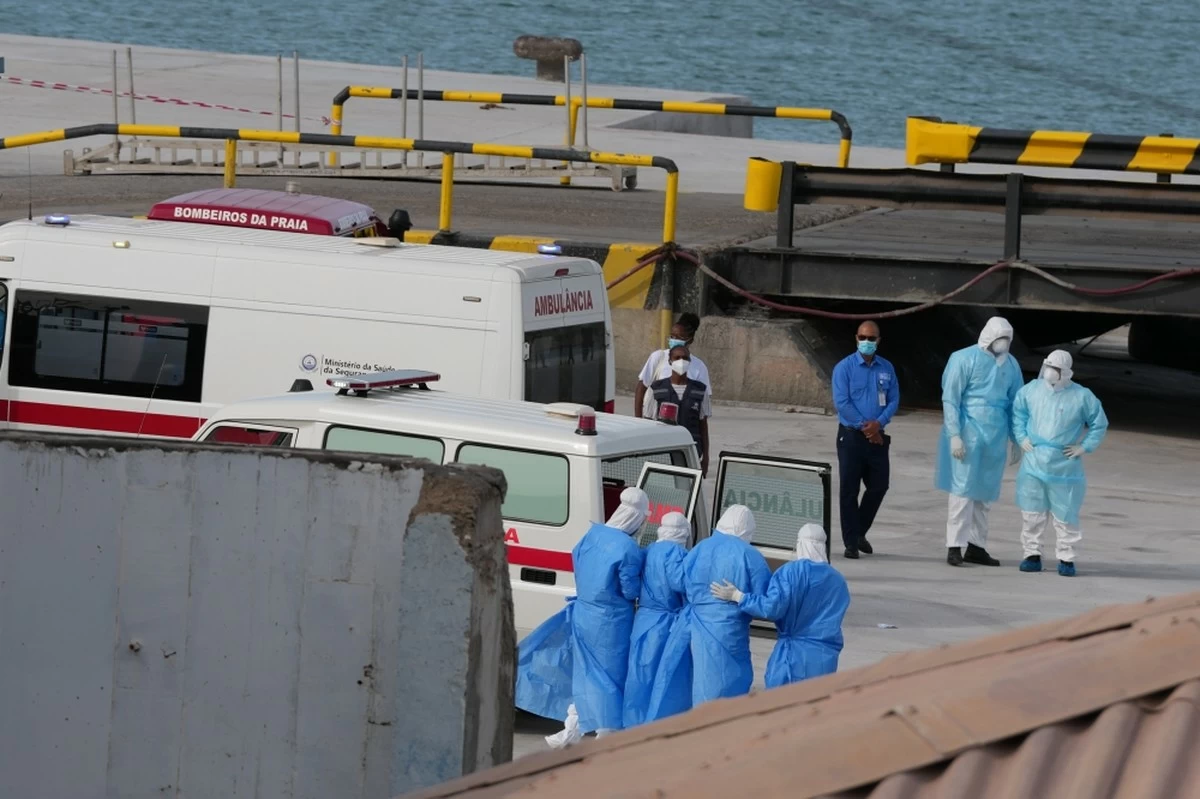

BUENOS AIRES, Argentina, May 7, (AP): Officials and experts in Argentina are scrambling to determine if their country is the source of a deadly hantavirus outbreak that has gripped an Atlantic cruise. The health emergency aboard the ship that's moored across the ocean comes as Argentina sees a surge of hantavirus cases that many local public health researchers attribute to the recently accelerating effects of climate change.
Argentina, where the cruise to Antarctica departed, is consistently ranked by the World Health Organization as having the highest incidence of the rare, rodent-borne disease in Latin America. Higher temperatures expand the virus’ range because, in part, as it gets warmer and ecosystems change, rodents that carry the hantavirus can thrive in more places, experts say.
People typically contract the virus from exposure to rodent droppings, urine or saliva. "Argentina has become more tropical because of climate change, and that has brought disruptions, like dengue and yellow fever, but also new tropical plants that produce seeds for mice to proliferate,” said Hugo Pizzi, a prominent Argentine infectious disease specialist. "There is no doubt that as time goes by, the hantavirus is spreading more and more.”
The Argentine Health Ministry on Tuesday reported 101 hantavirus infections since June 2025, roughly double the caseload recorded over the same period the previous year. A hantavirus found in South America, called the Andes virus, can cause a severe and often fatal lung disease called hantavirus pulmonary syndrome.
The disease led to death in nearly a third of cases in the last year, Argentina’s Health Ministry said, up from an average mortality rate of 15 in the five years before that. Hantavirus usually spreads by inhaling contaminated rodent droppings and can spread person-to-person, though that is rare, according to the WHO, whose top epidemic expert said the risk to the public is low.
The Andes strain only hantavirus known to spread from human to human. Authorities said passengers on the MV Hondius ship tested positive for the Andes virus. Argentina on Wednesday said it was sending genetic material from the Andes virus and testing equipment to help Spain, Senegal, South Africa, the Netherlands and the United Kingdom detect it.
Argentine officials say they’re trying to pin down where infected passengers traveled in the country before boarding the Dutch-flagged cruise liner in Ushuaia, a city in southern Argentina known as the end of the world. Once they know the itineraries, they plan to trace contacts, isolate close contacts and actively monitor to prevent further spread.