


23/02/2026

Share:
23/02/2026
Share:

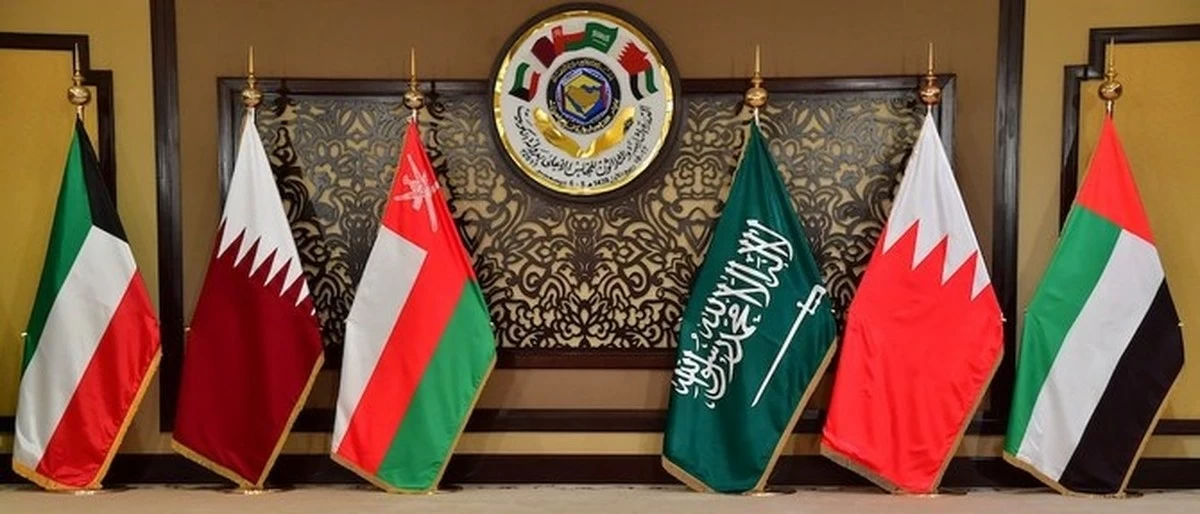
RIYADH, Feb 23: The Saudi Ministry of Foreign Affairs reaffirmed its categorical rejection of any external claims to rights in the Saudi-Kuwaiti Divided Submerged Zone, stressing adherence to bilateral agreements, international law, and relevant United Nations resolutions. In a statement, the ministry expressed serious concern over coordinate lists and maps recently submitted by Iraq to the United Nations, noting that they include encroachments on parts of the submerged area adjacent to the Saudi-Kuwaiti Divided Zone. It emphasized that the zone is jointly owned by Saudi Arabia and Kuwait under binding bilateral accords and governed by the 1982 United Nations Convention on the Law of the Sea, which regulates natural resource rights in such areas.
The ministry added that Iraq’s submitted coordinates constitute a violation of Kuwait’s sovereignty over its maritime areas and water elevations, including Fisht Al-Eid and Fisht Al- Eij, which fall under Kuwaiti jurisdiction in line with international law and recognized boundary frameworks. It also cited UN Security Council Resolution 833 of 1993, which delimited the land and maritime boundaries between Kuwait and Iraq, urging dialogue, restraint, and responsible engagement in accordance with good-neighborly principles and international norms.
In Manama, the Bahraini Ministry of Foreign Affairs said it is closely following the Iraqi submissions to the UN, describing them as infringements on Kuwait’s sovereignty over its maritime zones and fixed elevations such as Fasht Al-Qaid and Fasht Al-Aij. Reaffirming Bahrain’s full support for Kuwait’s sovereignty, the ministry categorically rejected any claims affecting Kuwait’s territorial integrity.
It urged Iraq to consider the historical and brotherly ties between the two nations and to adhere to international law, the 1982 UN Convention on the Law of the Sea, and existing bilateral agreements and memoranda of understanding. Meanwhile, Qatar reiterated its absolute solidarity with Kuwait, affirming that it is following the Iraqi coordinate submissions with concern. The Qatari Ministry of Foreign Affairs condemned the maps as an infringement of Kuwait’s sovereignty over its maritime territories, including Fisht Al-Eid and Fisht Al-Eij.
Qatar reaffirmed full support for Kuwait’s sovereign rights, calling for respect of international law, the 1982 UN Convention on the Law of the Sea, and all bilateral understandings between Kuwait and Iraq. The United Arab Emirates likewise reaffirmed its unwavering solidarity with Kuwait in defending its legitimate rights and national interests. In a statement reported by the UAE’s official news agency (WAM), the Ministry of Foreign Affairs expressed deep concern and rejection of Iraq’s coordinate submissions, warning of their implications for Kuwait’s maritime sovereignty over areas including Fisht Al-Eid and Fisht Al-Eij.
The ministry highlighted the importance of Iraq recognizing the fraternal and historical relations with Kuwait and addressing the matter responsibly, through dialogue and diplomatic channels, and in accordance with international law and the 1982 Law of the Sea Convention to bolster regional security and stability. Similarly, Oman reaffirmed its solidarity with Kuwait’s sovereignty over its maritime areas and water elevations, urging Iraq to respect the deep-rooted ties and good-neighborly principles between the two countries.
In a statement, the Omani Ministry of Foreign Affairs said it was closely monitoring Iraq’s coordinate lists and maps submitted to the United Nations, noting that they encroach on Kuwait’s established maritime sovereignty. It reiterated Oman’s full support for Kuwait’s rights and called on Iraq to honor bilateral agreements, the 1982 UN Convention on the Law of the Sea, and all related international commitments to preserve stability and mutual respect between the two nations (KUNA)