



11/04/2026

Share:
11/04/2026
Share:
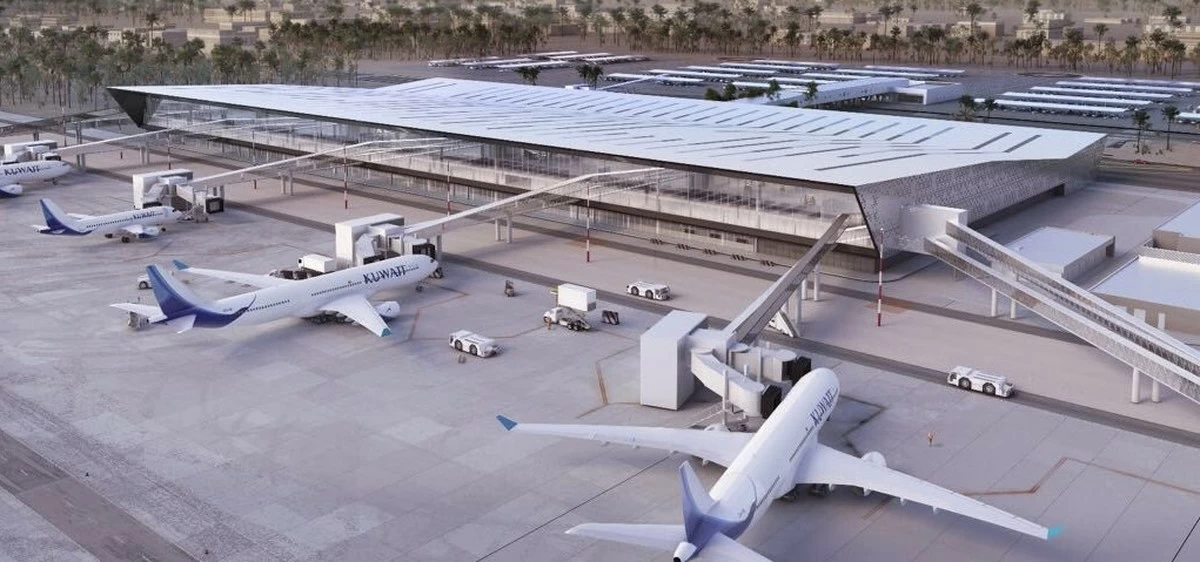
Kuwait’s Civil Aviation closely monitors the weather as a fog forecast looms.

The two petroleum products that the world is coming to face shortages in are jet fuel for aircraft and marine fuel oil for shipping. Both products are mainly used for transportation and are expected to become scarce in the coming weeks if the Arabian Gulf remains closed, with no clear indication of reopening soon.

This is leading to a global increase in product prices, with no immediate relief for transportation, particularly aviation and shipping. As a result, flight cancellations are increasing, and aviation fuel prices have surged by more than $200 per ton. This is contributing to inflation and rising costs for goods, especially food and household items. With the Strait of Hormuz remaining closed since the end of February, now reaching its 40th day, there is growing concern and stockpiling of essential goods, particularly food, amid fears of an unknown situation and the threat of escalation of the war between the United States, Israel, and Iran.
Meanwhile, the Arabian Gulf states are in the middle in observing developments while seeking to maintain peace, security, and stability in the region. With Gulf refineries shut and no confirmed timeline for resumption, shortages in the main transportation fuel sector are expected to persist. This will limit global flights, with airports in the Gulf effectively closed, reducing face-to-face meetings and leading to a contraction in trading activities with short-term economic impacts. Most importantly, air travel ticket prices are expected to rise significantly, along with overbooked flights. This could also result in overcrowding at Gulf airports.
For Arab Gulf refineries, it may take between three to four months to restart operations and return to full service capacity, restoring transportation fuel output to meet peak airline demand. This is necessary to accommodate rising consumer travel needs and the expected surge in mobility ahead of the peak summer travel season, when more than 40 percent of the population typically travels during the summer holidays. This places additional pressure on aviation fuel availability during the summer peak.
In Kuwait, there is still uncertainty regarding the timeline for the full resumption of oil operations. One refinery requires maintenance and repairs, while the other two refineries are expected to return to full capacity once conditions stabilize. The closure of the Strait of Hormuz is a violation of international maritime law and it should remain open, free, and without interference from any country, as has traditionally been the case. It should not be subject to any fees or tariffs.
The sooner the strait is reopened, the better for global oil consumers, helping ease inflation and reduce food prices and the cost of goods internationally. Let us hope for the quick reopening of oil facilities and the resumption of crude oil, gas production, and exports. The loss of income and revenue from more than 40 days of complete shutdown is significant. It is necessary to restore oil income and production activities. From crude oil production to finished products, the added value is higher than the crude price.
By Kamel Al-Harami Independent Oil Analyst
Email: [email protected]