



09/05/2026

Share:
09/05/2026
Share:

DUBAI / TEHRAN, May 9: Seafarers stranded in the Gulf amid the ongoing US-Israeli conflict with Iran are facing severe psychological trauma after spending more than two months trapped in dangerous waters under the threat of missiles, drones, and armed attacks, maritime charities have warned.
From captains and engineers to cooks and deck officers, crews responsible for keeping global trade moving have found themselves isolated aboard vessels operating in one of the world’s most volatile maritime corridors.
“We hear stories of how frightened they are. It’s pretty scary,” Gavin Lim of the UK-based Sailors' Society said while describing conversations with crew members aboard a vessel that was hit during the conflict.
“They thought: ‘We were going to die,’” he said.
According to the British maritime security monitor United Kingdom Maritime Trade Operations, commercial vessels have been struck by projectiles and fired upon by Iran’s Islamic Revolutionary Guard Corps in dozens of incidents across Gulf waters.
The International Maritime Organization says at least 11 seafarers have been killed since the conflict intensified.
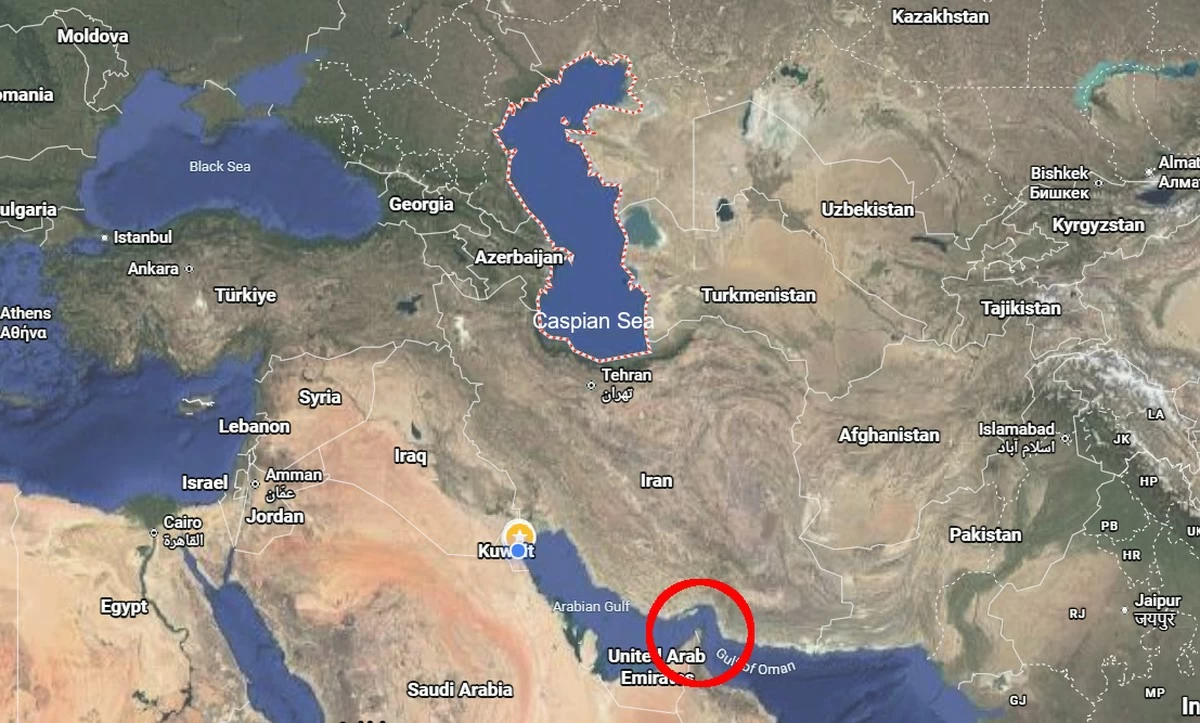
Meanwhile, the Caspian Sea has emerged as a vital trade and military supply corridor for Iran as Tehran seeks alternatives to the strategically sensitive Strait of Hormuz amid the US naval blockade, according to a New York Times report.
The report said Russia has been transporting commercial goods and drone components to Iran through the landlocked waterway, helping Tehran replenish military supplies and maintain imports disrupted by tensions around Hormuz.
US officials cited by the newspaper said Russia is supplying drone parts to help Iran rebuild capabilities after losing much of its drone arsenal during recent fighting. Iranian officials also said essential imports such as wheat, corn and cooking oil are increasingly being rerouted through Caspian ports.
Unlike the Strait of Hormuz, the Caspian Sea is inaccessible to US military forces because only the five bordering nations have direct access to the waterway, making it an increasingly important route for trade, sanctions evasion and military transfers, the report said.