


26/03/2026

Share:
26/03/2026
Share:
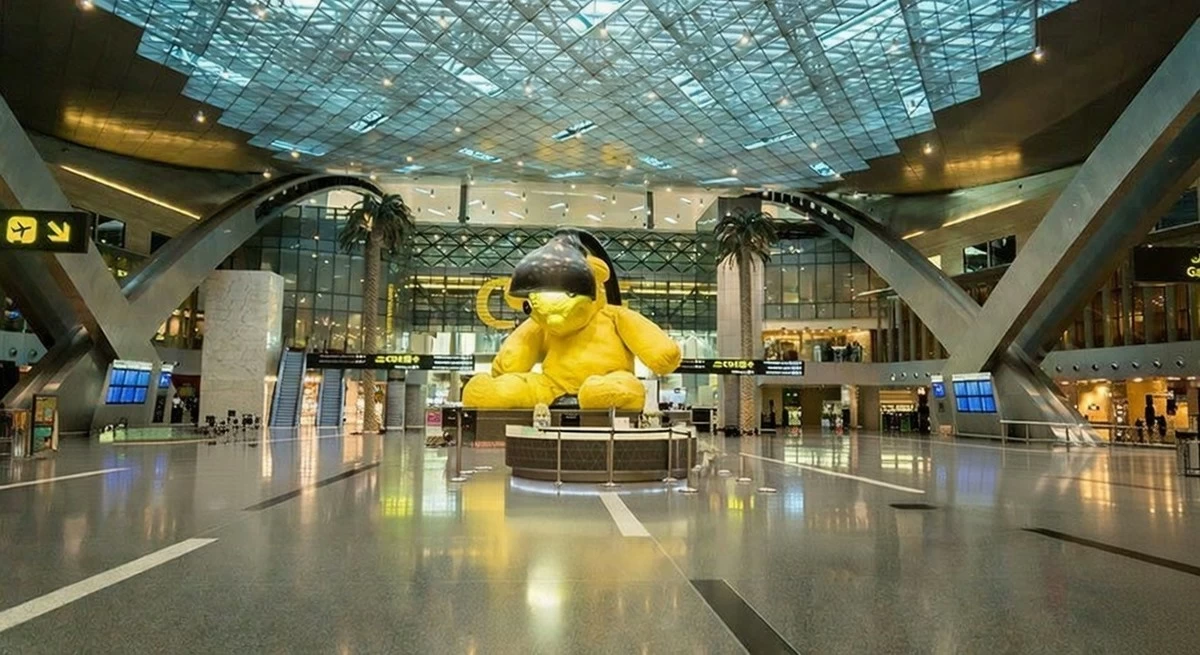

KUWAIT CITY, March 26: The negative impact of the ongoing war continues to weigh heavily on all economic sectors, as it enters its fourth week. The World Travel and Tourism Council (WTTC) revealed that losses in the tourism and aviation sectors in the Middle East from Feb 28 to March 20 reached $12 billion, while pre-war projections indicated that tourism revenues in the Middle East could reach $207 billion in 2026. In its report, WTTC said the American- Israeli war on Iran is causing daily losses of $600 million in the regional tourism sector, considering the severe disruption at airports in most Gulf countries.
Regarding the hotel sector in Kuwait, which has been affected by the war, the newspaper obtained a copy of the latest statistics issued by the Public Authority for Civil Information (PACI), stating that the number of hotels in the country reached 136 at the beginning of 2026. It showed that the Capital Governorate has 60 hotels, Hawally has 47, Ahmadi has 19, Farwaniya has seven, Mubarak Al-Kabeer has two, and Jahra has only one. This is despite Kuwait ranking seventh among the top 10 Arab countries in terms of tourism in 2025, according to data from CEO World Magazine, and even if its travel and tourism revenues reached $973.9 million last year -- an annual growth rate of about three percent.
Moreover, Oxford Economics developed two models for the impact of the Middle East conflict on tourism. The first model projects an 11 percent annual decline in tourist arrivals to the region in 2026, a loss of about 23 million international visitors compared to baseline figures in December 2025, equivalent to $34 billion in tourism spending. The second scenario, which assumes the war will continue for several months, anticipates even greater losses, about 38 million international visitors in 2026. This translates to a 27 percent year-on-year decrease and an estimated loss of $56 billion in terms of tourism spending.
By Najeh Bilal Al-Seyassah/Arab Times Staff