



07/05/2026

Share:
07/05/2026
Share:

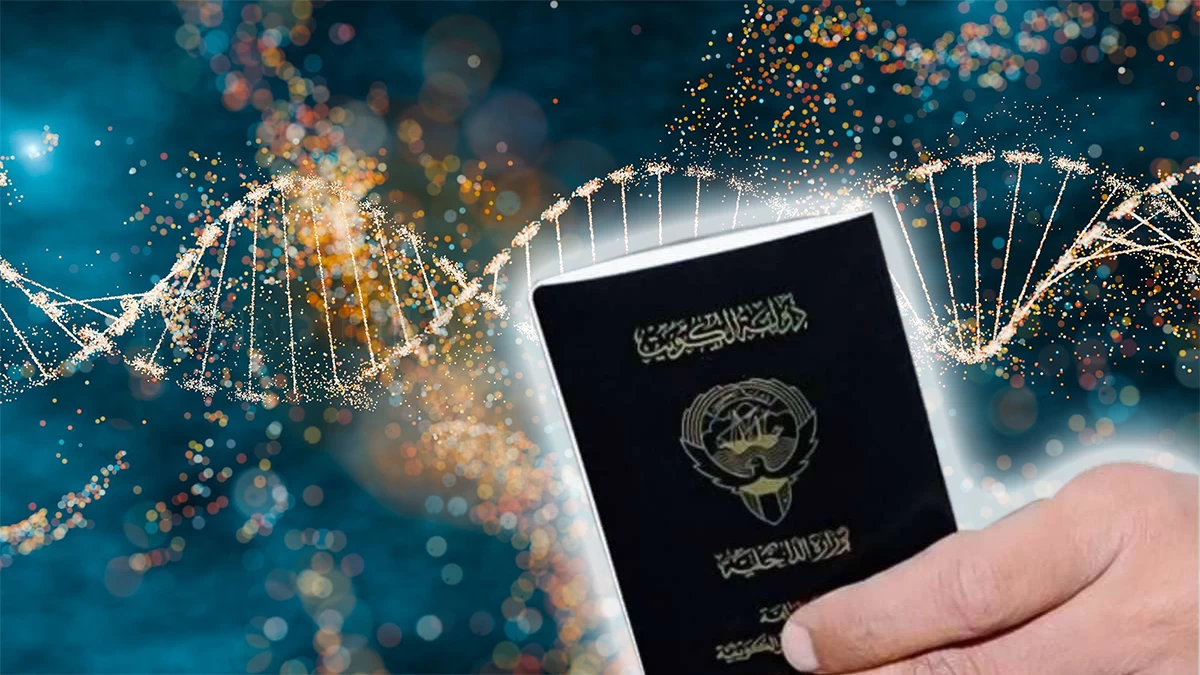
KUWAIT CITY, May 7: What began as a quiet tip-off has exploded into one of the most shocking nationality fraud cases uncovered in Kuwait in recent months — exposing a web of forged identities, hidden family ties, and a decades-long deception that ultimately unraveled through the power of DNA evidence.
The Nationality Investigation Department, acting on confidential intelligence, uncovered a case involving two individuals who had fraudulently obtained Kuwaiti citizenship while their real brother continued to live in Kuwait under his original Gulf nationality.
According to informed sources, investigators received sensitive information suggesting that the two “Kuwaiti citizens” were in fact biologically related to a Gulf national residing in the country — a revelation that immediately raised suspicions about forged nationality files and manipulated family records.
Authorities swiftly launched an intensive investigation, securing permission from the Public Prosecution to conduct genetic fingerprinting and DNA analysis. Detectives detained the two accused and subjected all parties, including the Gulf resident, to advanced forensic testing.
The results were explosive.
DNA tests conclusively proved that the Gulf resident was the genuine biological brother of the two men who had acquired Kuwaiti citizenship through allegedly forged documents and false information. But the scandal deepened even further when investigators turned their attention to the Kuwaiti man officially listed as their father.
The elderly Kuwaiti father, who is still alive, was summoned for questioning and underwent genetic fingerprinting. The outcome shattered the official narrative maintained for years: forensic evidence proved beyond doubt that there was absolutely no blood relationship between him and the two men registered as his sons.
Investigators say the case now rests on two irrefutable scientific pillars — proof of the biological link between the accused and their Gulf brother, and definitive evidence denying any familial connection to the Kuwaiti father whose citizenship file they were attached to.
Sources revealed that the Kuwaiti father could have escaped severe legal consequences had he come forward during the grace period previously announced by the Ministry of Interior for individuals involved in citizenship fraud to correct their status voluntarily. However, despite the warning window, he allegedly failed to disclose the forgery or report the manipulation in the nationality records.
The Supreme Committee is now expected to enforce the provisions of the amended Nationality Law, with authorities preparing to revoke the father’s Kuwaiti citizenship under Article One, considering him complicit in submitting false information and concealing forgery.
However, sources stressed that the fallout from the case will not extend to the man’s legitimate Kuwaiti children. Under Article 14 of the Nationality Law, the revocation applies only to the individual directly implicated in the fraud and does not affect the citizenship rights of genuine offspring.
The dramatic case has once again placed the spotlight on Kuwait’s aggressive campaign against nationality fraud, as authorities continue tightening scrutiny on citizenship files using modern forensic technology capable of exposing even decades-old deception.