


12/10/2026

Share:
12/10/2026
Share:
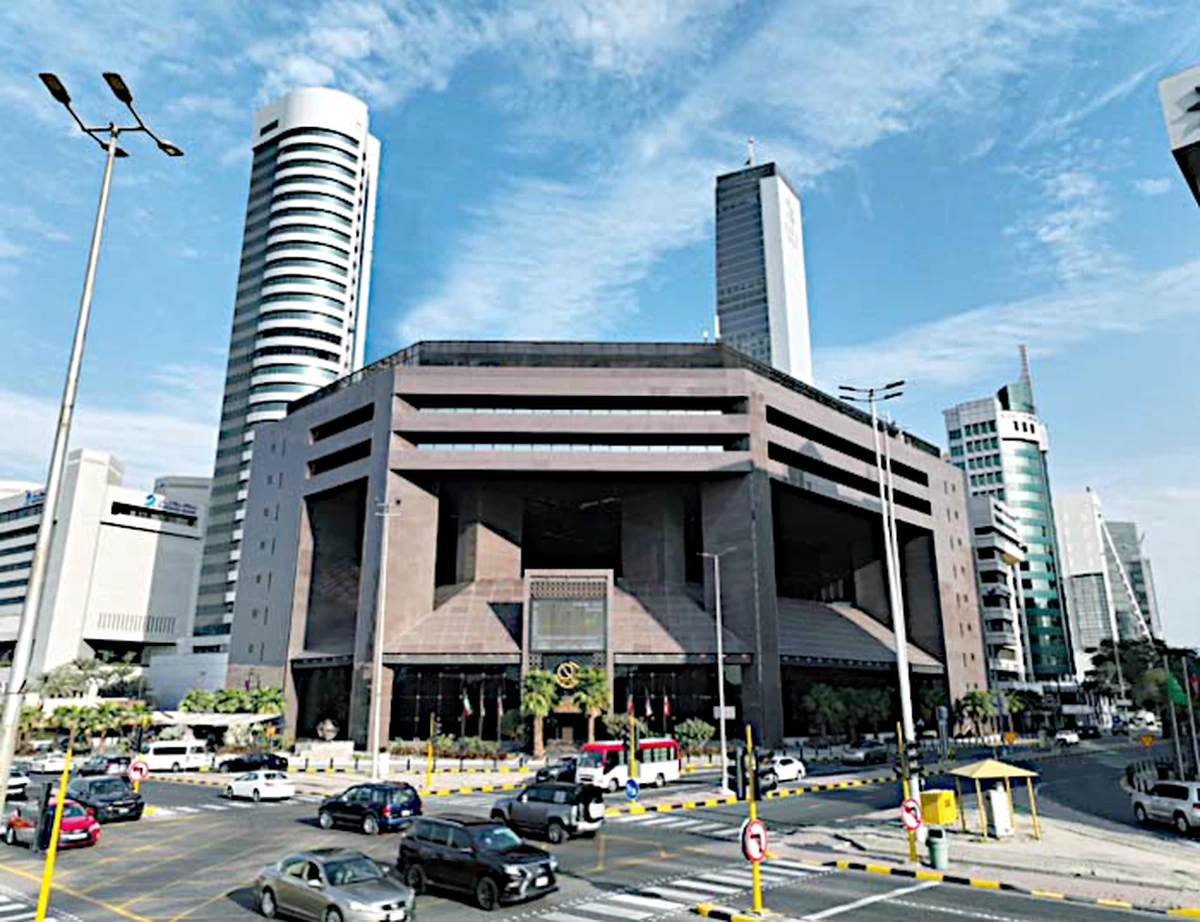

On monetary and banking matters, he thinks the wise policy of the Central Bank of Kuwait played a vital role in establishing financial stability by maintaining the discount rate at 3.5 percent. He affirmed that this decision granted the local banking sector significant flexibility and ample room to manage liquidity smoothly and meet the growing demand for credit facilities without imposing excessive financing burdens on businesses and individuals. He explained that this stability is clearly reflected in the growth rates of the money supply and credit facilities, which bolstered the credit portfolios of banks, supported sustainable cash dividend distributions, and attracted greater institutional and local liquidity. He said the trading patterns at Boursa Kuwait showed the prominence of local and foreign investors, indicating the renewed confidence in the efficiency and transparency of the financial market’s operational infrastructure after the completion of market development phases and the launching of new investment instruments and multi-asset platforms like bonds and Sukuk. He cited the qualitative surge in liquidity levels in September 2026, which jumped by 37.7 percent to reach KD2.44 billion, as evidence, adding that the rise was driven by activity in the Premier Market.
He added that the latter captured the largest share of trading, around 63.9 percent of the total traded value of KD15.64 billion recorded in the first nine months of the year. He indicated that this surge in liquidity coincides with the decision of the Capital Markets Authority (CMA) to adopt Resolution No. 80/2026, which regulates Exchange- Traded Funds (ETFs). He said these developments are considered structural legislative steps that improve the appeal of the stock exchange to global portfolios and provide flexible investment channels, which contribute to risk diversification and attract international and local institutional capital, thus supporting the positive performance of the market and pushing indices toward stable growth levels that are resilient to temporary volatility. He expects that the strong performance of Boursa Kuwait will continue through the remainder of the year, bolstered by upcoming nine-month financial results and the ongoing program to list high-quality companies on the Premier Market.
He pointed out that in spite of the minor speculative fluctuations observed in September, the key indices, such as the Premier Market and General Market, maintained positive trajectories, benefiting from easing inflationary pressures and stable domestic consumption rates. He asserted that Boursa Kuwait is increasingly demonstrating its status as the most attractive investment destination in the region, thanks to the strength of its operational assets and the robust regulatory environment provided by CMA. “This positions the exchange to achieve significant qualitative leaps and sustainable gains by the end of 2026,” he concluded.