


23/07/2026

Share:
23/07/2026
Share:

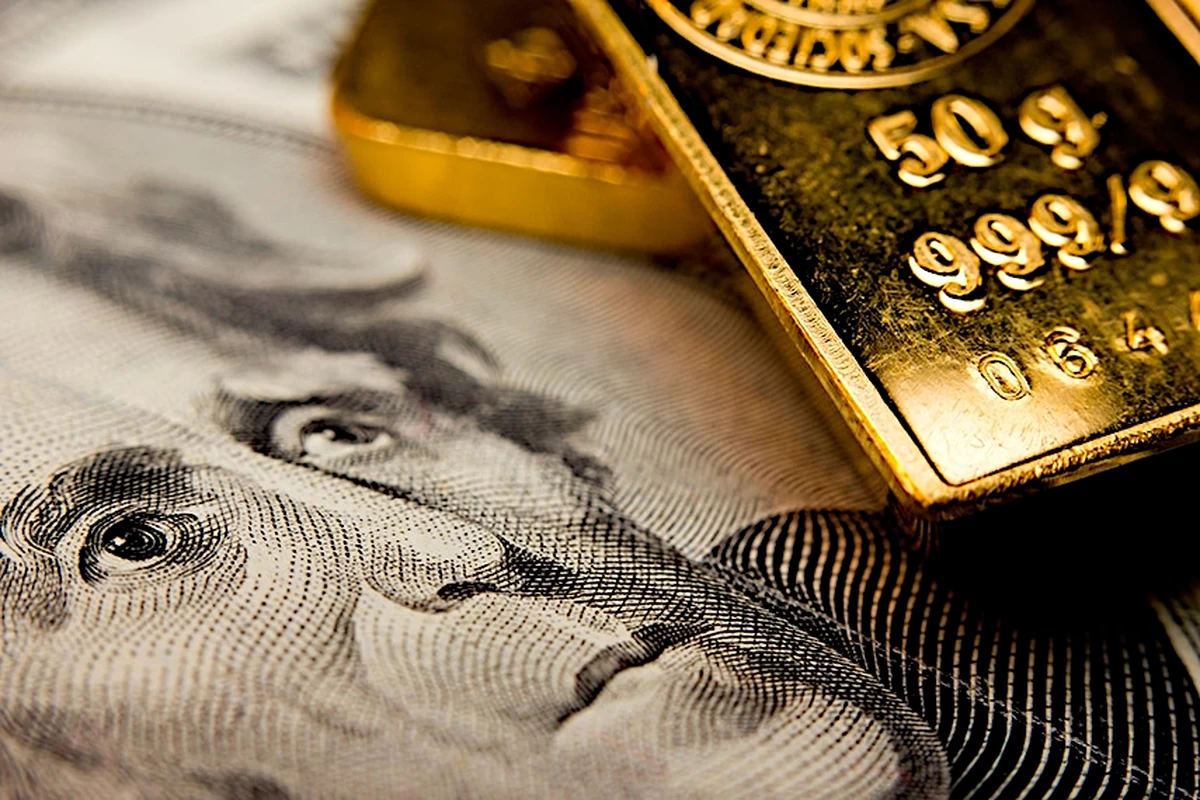

KUWAIT CITY, Jul 23: Global investors are once again weighing the merits of the world's two most prominent safe-haven assets, gold and the U.S. dollar. While geopolitical tensions typically support both, recent market developments suggest the dollar has gained the upper hand, as rising oil prices and renewed inflation concerns reinforce expectations that the Federal Reserve will maintain a restrictive monetary policy.
The relationship between gold and the U.S. dollar has become one of the defining themes in financial markets this week. Although ongoing geopolitical tensions in the Middle East continue to support demand for defensive assets, investors are increasingly viewing the U.S. dollar as the preferred safe haven, driven by higher Treasury yields and growing expectations that U.S. interest rates could remain elevated for longer.
Spot gold has remained resilient, trading around $4,070 per ounce, supported by continued central bank purchases and long-term portfolio diversification. However, the metal has struggled to extend its gains as renewed diplomatic efforts between the United States and Iran eased immediate geopolitical concerns while shifting investors' attention back to inflation risks and monetary policy.
Traditionally, geopolitical crises boost demand for gold as investors seek protection from uncertainty. This time, however, the market has responded differently. Rising tensions have pushed oil prices sharply higher, reigniting inflation concerns that have strengthened expectations for a more hawkish Federal Reserve. That shift has supported the U.S. dollar, limiting gold's upside despite its status as a traditional safe-haven asset.
The Federal Reserve now sits at the center of market attention. While policymakers are widely expected to leave interest rates unchanged at their upcoming meeting, traders have become increasingly cautious after higher energy prices revived concerns that inflation could remain persistent. Market expectations for an additional rate hike later this year have risen, increasing the opportunity cost of holding non-yielding assets such as gold.
At the same time, U.S. Treasury yields have climbed to their highest levels in nearly two months, making dollar-denominated assets more attractive to global investors. Higher bond yields have reinforced demand for the U.S. currency while placing additional pressure on gold prices.
Despite these short-term headwinds, gold continues to enjoy strong structural support. Central banks remain significant buyers of the precious metal as they diversify foreign exchange reserves and reduce dependence on the U.S. dollar. Long-term investors also continue to view gold as an effective hedge against geopolitical uncertainty, currency volatility, and broader financial market risks.
Market participants note that the competition between gold and the dollar is unlikely to produce a single winner under all conditions. Instead, investor preference will continue to depend on the balance between inflation expectations, interest-rate policy, bond yields, and geopolitical developments. When inflation fears dominate, the dollar may benefit from expectations of tighter monetary policy. If geopolitical risks intensify or economic growth weakens significantly, gold could quickly regain momentum as investors seek portfolio protection.
“The contest between gold and the US dollar depends largely on what investors fear most. When geopolitical uncertainty dominates, gold typically benefits. However, when rising oil prices increase inflation concerns, expectations of prolonged high interest rates and stronger Treasury yields tend to favour the dollar. Gold continues to receive structural support from central-bank purchases and portfolio diversification, however, rising yields can make non-interest-bearing gold less attractive to investors.
The dollar may retain its near-term advantage if inflation and restrictive Federal Reserve policy remain the market’s focus. However, escalating geopolitical risks or weakening economic growth could quickly restore people’s faith in gold.” Li Xing Gan, Financial Markets Strategist at Exness
Looking ahead, traders will closely monitor three key drivers: the Federal Reserve's policy guidance, movements in global oil prices, and developments surrounding U.S.–Iran diplomacy and broader Middle East tensions. Together, these factors are expected to determine whether the U.S. dollar maintains its current advantage as the market's preferred safe haven or whether gold reclaims its leadership in the weeks ahead.