


30/01/2026

Share:
30/01/2026
Share:
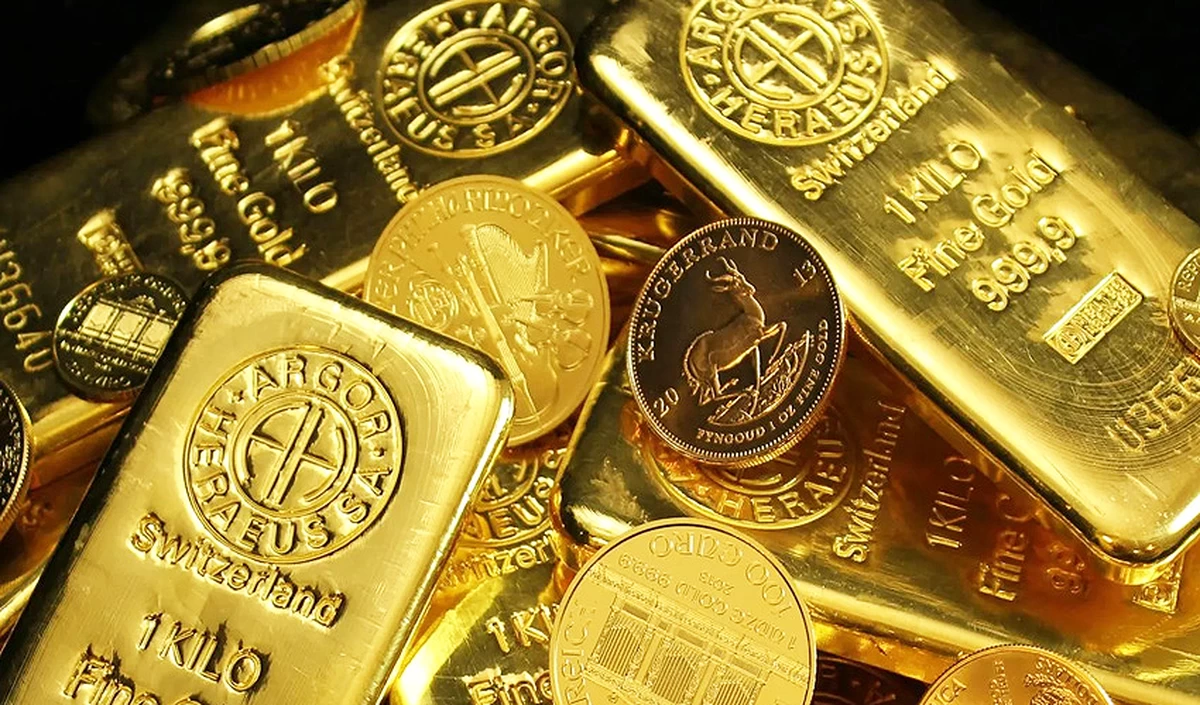

KUWAIT CITY, Jan 29: Global demand for gold reached an unprecedented level on Thursday, coinciding with record price increases and the price of an ounce of gold exceeding $5,590. Head of Strategic Planning at Dar Al- Sabaik Company Bader Al-Ruzaihan told Kuwait News Agency (KUNA) that gold prices continued to post strong gains, supported by the weakening US dollar and rising global economic and geopolitical uncertainty, in addition to ongoing purchases by central banks and continuous inflows into gold-backed exchange-traded funds (ETFs).
Al-Ruzaihan explained that the decision of the US Federal Reserve to maintain interest rates within the range of 3.50 percent to 3.75 percent, amid increasing divisions within the US monetary policy committee, ignited expectations of monetary easing later this year, thereby, enhancing the attractiveness of gold as an effective hedge. He said the data from the World Gold Council showed that global gold demand surpassed 5,002 tons in 2025, marking the highest level ever recorded and an increase of nearly one percent compared to 2024.
He stressed that the ongoing geopolitical risks, uncertainty surrounding US monetary policy, and ambiguity in global bond markets are keeping gold at the forefront of safe-haven assets in the coming period. These record gold levels come at a time the global markets are undergoing rapid monetary and financial shifts, accompanied by declining confidence in the performance of the US economy and the continuous weakness of the dollar -- its lowest level in nearly four years, alongside escalating geopolitical tensions in several sensitive regions.
This environment has reinforced investors’ tendency to seek safe havens, foremost among them is gold. Gold delivered outstanding performance in recent years, supported by increased purchases by central banks worldwide, and rising investment demand from institutions and ETFs, amid inflation concerns, uncertainty in bond markets, and anticipated changes in the US monetary policy leadership as the term of the current US Federal Reserve chairman approaches its end. (KUNA)