



15/03/2026

Share:
15/03/2026
Share:
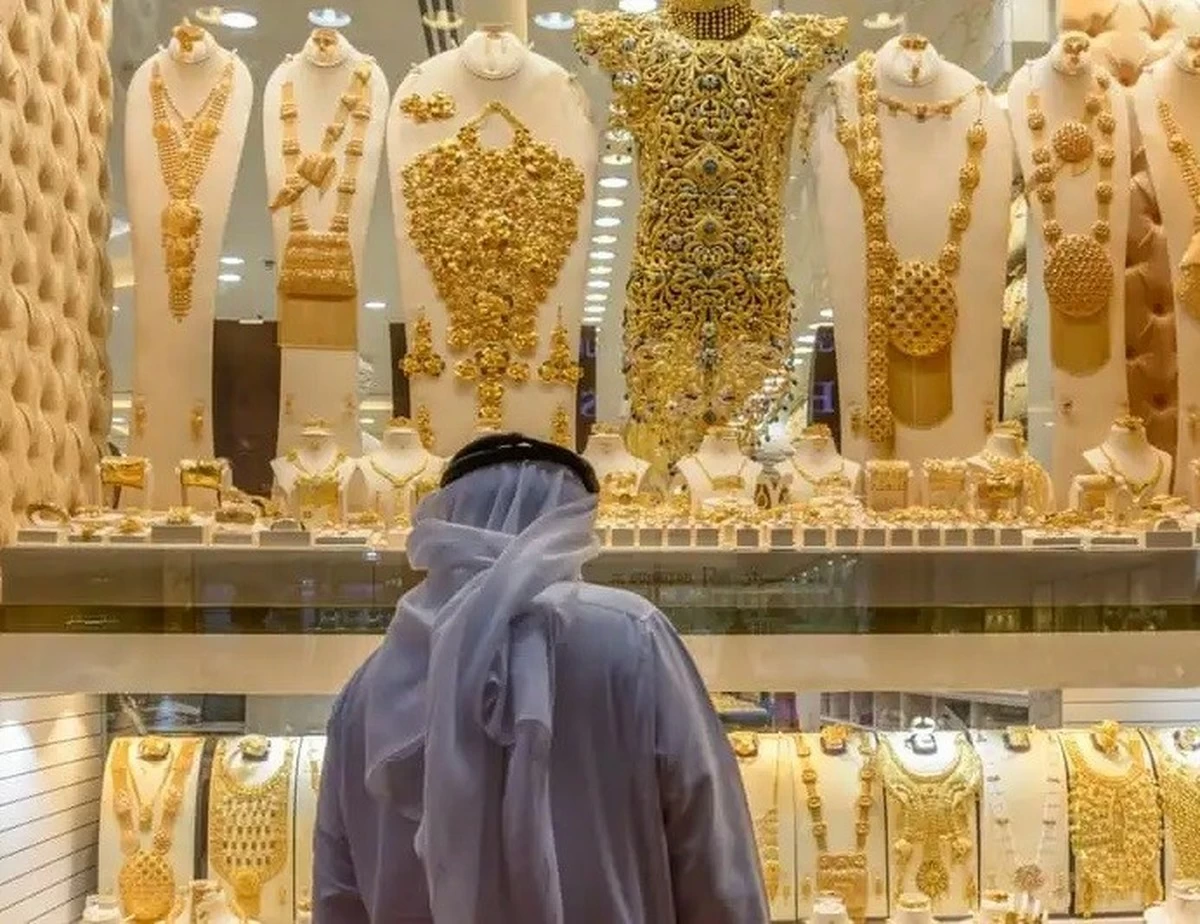

KUWAIT CITY, March 15: Global movements in precious metal prices were reflected in the Kuwaiti market, with the price of 24-karat gold reaching about KD 50 per gram (around 153 dollars), while 22-karat gold was recorded at approximately KD 45.8 per gram (around 140 dollars). According to a report issued Sunday by Dar Al-Sabaek Company, silver prices fell to about KD 860 (around 2,810 dollars) per kilogram. Investors in the local market continued to monitor global developments and their impact on demand and investment in precious metals. Globally, gold prices ended the week at 5,018 dollars per ounce after a period marked by sharp fluctuations driven by a combination of economic factors and escalating geopolitical tensions in the Middle East. The report explained that the yellow metal dropped during Friday’s trading session below 5,050 dollars per ounce as the US dollar strengthened and US Treasury yields rose, reducing gold’s appeal as a traditional safe-haven asset despite ongoing geopolitical risks in the region. The decline came as investors increased their holdings of the US dollar in search of liquidity, particularly after threats to close the Strait of Hormuz prompted markets to reassess global economic risks.
Although geopolitical tensions typically support gold prices, the rise in crude oil prices above 100 dollars per barrel heightened concerns over renewed global inflationary pressures, prompting investors to focus more on income-generating assets amid expectations of tighter monetary policy. Discussions about potential interest rate cuts in 2026 have diminished after higher energy costs complicated efforts to control inflation, supporting the US dollar and raising bond yields while prompting some investors to liquidate gold positions to secure liquidity and cover margin calls. Gold futures for April delivery fell by 1.25 percent, or 64 dollars, to close at 5,061 dollars per ounce at the end of the week, bringing the metal’s total weekly losses to around 1.88 percent. Silver prices declined more sharply, with futures contracts dropping 4.44 percent, or 3.57 dollars, to close at about 81 dollars per ounce, recording a weekly loss of approximately 3.46 percent. The report also highlighted a rise in the US Dollar Index, which measures the performance of the US currency against a basket of six major currencies, reaching 100.35 points and heading toward weekly gains of about 1.4 percent. These market movements coincided with mixed US economic data showing that the core Personal Consumption Expenditures Index, the Federal Reserve’s preferred measure of inflation, rose to 3.1 percent year-on-year in January, remaining significantly above the central bank’s target of 2 percent.
Uncertainty in global markets increased further after statements by US President Donald Trump warning that the United States could take strong military action against Iran during the week, raising fears of a wider conflict in the Middle East and potential disruptions to energy markets and global supply chains. The report noted that these developments prompted the credit rating agency Standard & Poor’s to warn that the continuation of the war could lead to long-term supply shocks, potentially raising global inflation and putting pressure on economic growth. Financial market data indicated that traders currently expect only limited monetary easing in the coming period, with estimates pointing to a possible interest rate reduction of no more than 20 basis points.
From a technical perspective, the report said the 5,000 dollars per ounce level has become an important psychological support level for gold in the near term. A break below this level could push prices toward the 50-day moving average near 4925 dollars per ounce, while the next support level lies around 4841 dollars. On the upside, the report identified 5,050 dollars per ounce as the first resistance level if prices rise again, followed by 5100 dollars and then the recent peak near 5,238 dollars per ounce.
The report highlighted that market surveys reflect hesitation among investors and financial institutions regarding the short-term direction of gold. Some analysts believe that gold maintaining levels above 5000 dollars indicates continued investment demand, while others say that keeping interest rates unchanged by the Federal Reserve at its upcoming meeting may place additional pressure on the metal in the near term. Markets are expected to focus this week on the Federal Reserve meeting scheduled for March 17 and 18, along with key economic data including industrial production, housing market indicators, employment data, and the Producer Price Index, while closely monitoring geopolitical developments in the Middle East that could continue to influence global market movements.(KUNA)