



13/08/2026

Share:
13/08/2026
Share:

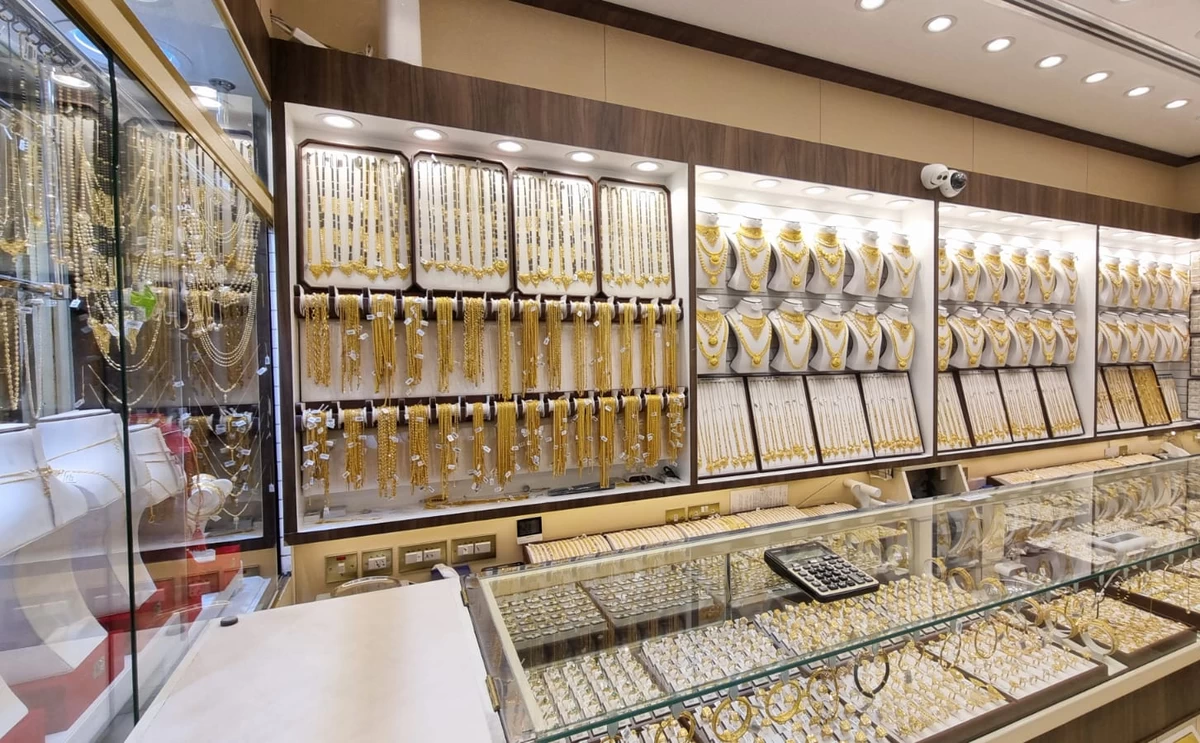
Behbehani stated that a significant aspect of the price decline is the correction of price overvaluations and liquidation of investment positions accumulated during the upward trend, rather than a collapse in the fundamentals that support gold in the long term. He clarified that there is a difference between a safe haven and an asset whose value does not decrease. “Gold has historically been a safe option, but it can experience sharp corrections even during crises. Gold is vulnerable to large-scale selling by investors and institutions looking for cash or to cover losses in other markets,” he added.
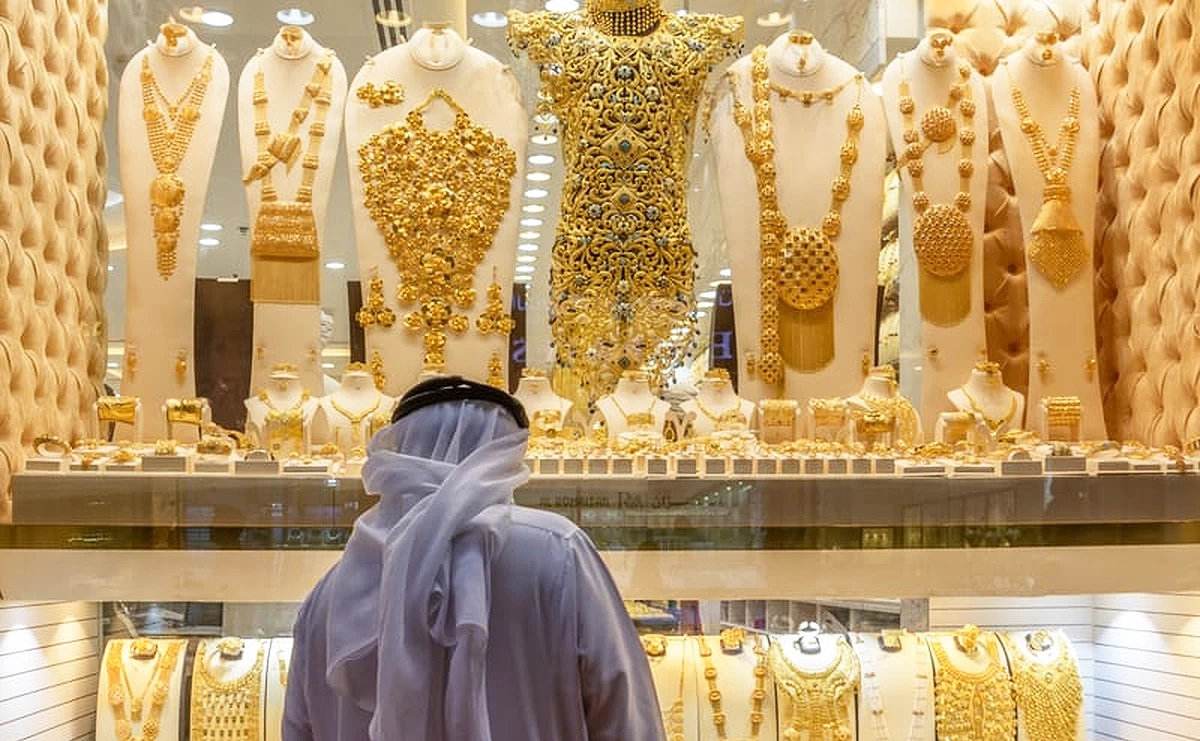
He pointed out that the central banks remain keen on increasing their gold holdings, proving the lasting status of gold as a strategic asset for diversifying reserves and hedging against risks. He said the relationship between geopolitical tensions and gold is not automatic, explaining that war could support gold if it leads to increased concerns about the financial system, decline in currency confidence or a decrease in real returns, but it could also put downward pressure on gold. He predicted that gold prices will remain volatile in the coming period. Gold expert Alamdar Al-Mousawi affirmed that gold has not lost its status as a safe haven, but the rules governing its trade have changed.
He explained that war is no longer the sole determinant of the value of gold, given the interplay of factors like the dollar exchange rate, interest rates, bond yields, inflation, global cash availability, sovereign wealth fund movements and central bank purchases. He stated that the traditional equation linking war to rising gold prices no longer operates as simply as it once did. He clarified that the price of gold may decline despite escalating tensions, especially if institutions and investors previously purchased large quantities in anticipation of such an escalation, and then moved to take profits when the expected incident happened. He pointed out that the differing forecasts of global financial institutions regarding gold prices reflect the prevailing uncertainty, emphasizing that the future of gold prices cannot be reduced to a single factor, as it is rather linked to economic and political scenarios, interest rate developments and value of the dollar.
By Marwa Al-Bahrawi Al-Seyassah/Arab Times Staff