



17/08/2026

Share:
17/08/2026
Share:

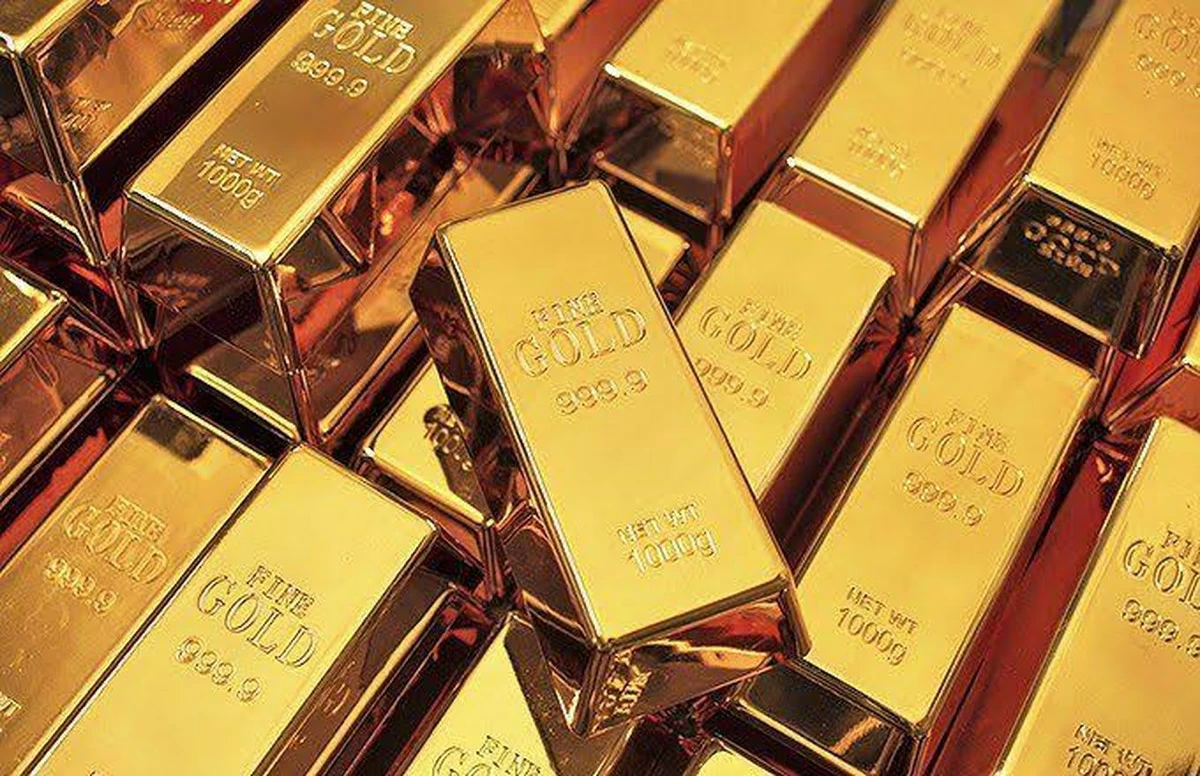
KUWAIT CITY, Aug 17: Gold is once again attracting strong investor attention as prices approach the $4,400-per-ounce level, supported by softer U.S. inflation, weakening consumer demand and reduced expectations of an imminent Federal Reserve interest-rate hike. However, inflation remains above the Fed’s target, while geopolitical and energy-market risks could complicate the outlook.
Spot gold traded around $4,380 per ounce on Friday, while U.S. gold futures settled above $4,430. The rally followed a series of U.S. economic releases that strengthened expectations that the Federal Reserve could leave interest rates unchanged at its September meeting.
U.S. consumer prices rose just 0.1% in July, while annual inflation eased to 3.4% from 3.5% in June. Core inflation increased 0.2% during the month and 2.5% year-on-year. Although inflation remains above the Fed’s long-term target, the figures suggested that price pressures are not accelerating as rapidly as previously feared.
Other economic indicators reinforced this picture. Producer prices were unchanged in July, while retail sales unexpectedly declined 0.6%, their first monthly fall in nine months and the largest decline in 14 months. Core retail sales also fell 0.4%. Combined with signs of weakness in the labour market, the data have significantly reduced expectations of an immediate rate increase. “Geopolitical tensions always come at an economic cost, and the ongoing developments in the Middle East are clearly reflected in gold prices, which are now approaching a ten-week high. The yellow metal extended its gains during early European trading on August 17, supported by a weaker US dollar and softer-than-expected CPI data. It will be important to monitor the Fed’s stance on interest rates. For now, markets continue to price in a restrictive-for-longer policy, which is helping keep gold prices elevated,” Quoc Dat Tong, Senior Financial Markets Strategist at Exness
As of Friday, markets were pricing in approximately a 69% probability that the Federal Reserve would maintain its benchmark rate at 3.50%–3.75% in September, compared with around a 31% probability of an increase. For gold, this shift matters because bullion does not generate interest. Stable or potentially lower interest rates reduce the opportunity cost of holding the precious metal.
The U.S. dollar and Treasury yields will therefore remain critical. The dollar weakened following the disappointing retail-sales data, potentially making gold more affordable for buyers using other currencies. Lower Treasury yields could also strengthen gold’s appeal, while renewed expectations of monetary tightening or rising yields could limit further gains.
Beyond monetary policy, gold continues to receive structural support from central-bank demand. Central banks purchased approximately 289 metric tonnes during the second quarter of 2026, the strongest second-quarter buying on record. This reflects continued efforts to diversify reserves amid geopolitical uncertainty and concerns surrounding traditional reserve assets.
Investor demand is also recovering. Gold has gained roughly 10% from its six-month low of around $3,965 reached in late June, while gold-backed exchange-traded funds have started attracting capital again after four consecutive months of outflows. These trends suggest that the rally is supported by more than short-term speculation around Federal Reserve policy.
However, geopolitical developments, particularly in the Middle East, introduce another layer of uncertainty. While heightened tensions can increase gold’s safe-haven appeal, they can also push oil prices higher. Rising energy costs could increase transportation, production and consumer prices, slowing progress on inflation and potentially forcing the Fed to keep monetary policy restrictive for longer.
This creates a complicated environment for bullion. Geopolitical escalation could simultaneously increase safe-haven demand for gold while supporting inflation, Treasury yields and the dollar—factors that may restrict gold’s upside.
The near-term outlook will therefore depend heavily on incoming U.S. economic data. If inflation continues to moderate, consumer spending weakens and labour-market conditions soften further, expectations for additional Federal Reserve tightening could continue to fade. Combined with lower yields and a weaker dollar, this could provide further support for gold.
Conversely, a sharp increase in energy prices or unexpectedly strong inflation readings could revive expectations of higher interest rates and create resistance around already elevated gold prices.
Gold’s return toward $4,400 highlights renewed investor appetite, while record central-bank purchases provide important longer-term support. Yet sustaining the rally may require further evidence that U.S. inflation is cooling without a significant energy-driven resurgence. The interaction between inflation, Federal Reserve policy, Treasury yields, the dollar and geopolitical developments will likely determine whether gold can maintain its momentum heading into the September policy decision.