


02/11/2026

Share:
02/11/2026
Share:
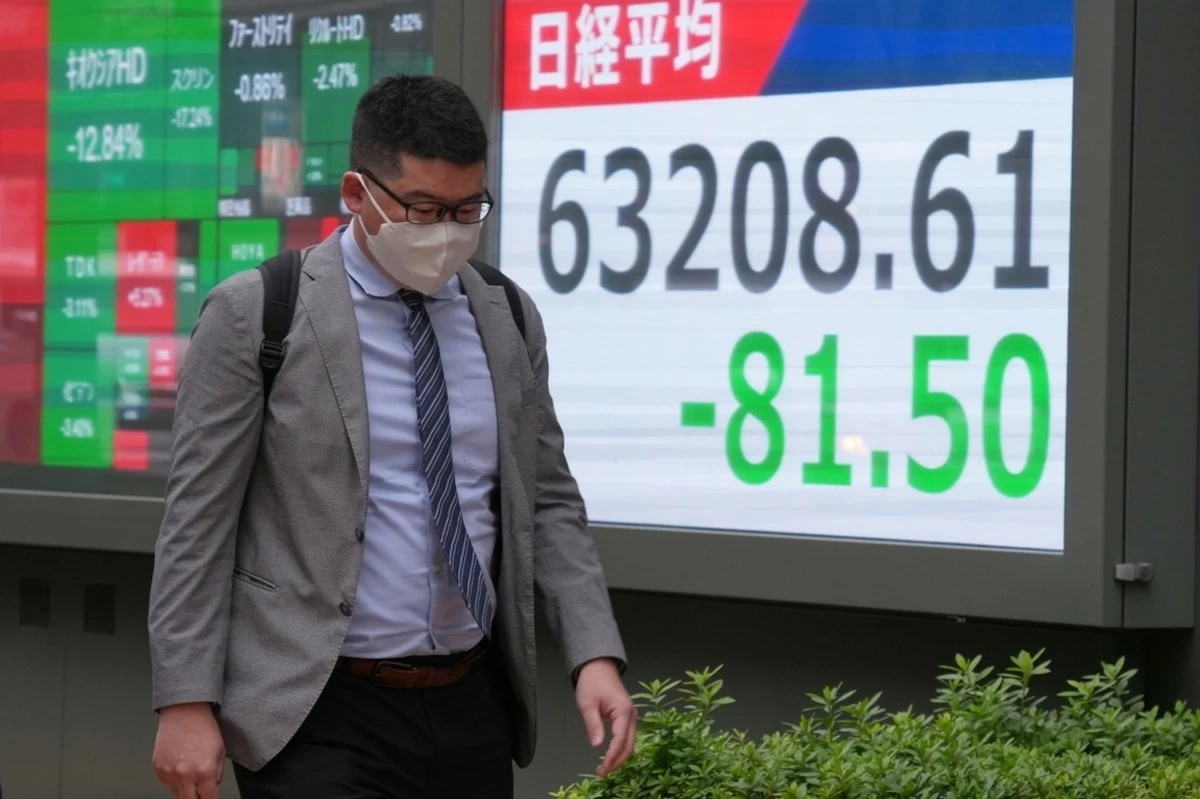

HONG KONG, Nov 2, (AP): Global shares were mixed and oil prices retreated Monday, falling sharply on renewed hopes for progress in diplomatic efforts between the US and Iran. US futures advanced after US stocks fell Friday to their worst day since June as investors dumped artificial intelligence-related and other technology stocks. In early European trading, Britain's FTSE 100 edged down 0.1% to 10,721.94. Germany's DAX climbed 0.1% to 25,849.98, while the CAC 40 in Paris added 0.1% to 7,975.87.
In Asia, Japan’s Nikkei 225 gave up early gains, slipping 0.3% to 63,081.86 as some major technology companies fell. Shares of OpenAI investor SoftBank Group dropped 1.6%. Japanese memory chipmaker Kioxia Holdings plunged 15.8% as its earnings forecasts disappointed some analysts and investors. South Korea’s benchmark Kospi index rose 2.2% to 5,859.08.
Samsung Electronics added 1.8%, while memory chipmaker SK Hynix jumped 3.8%. Technology stocks have wavered as investors fret that the AI buildup may prove to be a bubble. Apple is due to report its latest earnings results later in the day. Last week, earnings reports from Google parent Alphabet Inc. and Amazon rattled markets and raised fresh questions over whether their massive AI-related spending will bring profitable returns as quickly as hoped.
While recent developments do not necessarily mean that the AI boom is beginning to unravel, the debate is entering another phase, Sunil Tirumalai at UBS Global Research wrote in a recent note. Investors have become "distinctly more nervous about a handful of companies with weaker balance sheets or bigger financial commitments,” he said, rather than the technology sector as a whole. "Some cracks have appeared,” said Tirumalai.
"Increasingly, the question will be whether all the money being spent on it can generate adequate financial returns.” Over the past month, the Nikkei 225 has fallen more than 7% and the Kospi dropped more than 16%. Taiwan’s Taiex was 0.7% lower, with leading chipmaker TSMC, or Taiwan Semiconductor Manufacturing Co., shedding 1.7%. Hong Kong’s Hang Seng gained 0.4% to 23,393.32.
The Shanghai Composite index was up 1.1% to 3,638.03, despite China reporting over the weekend that its factory activity returned to contractionary territory in October. China’s central bank and its securities regulatory body met with financial institutions to discuss ways to support the markets, according to Chinese media reports. The Shanghai Composite index has fallen more than 8% since the beginning of this year and nearly 15% from its highest level in the past year.