


10/06/2026

Share:
10/06/2026
Share:

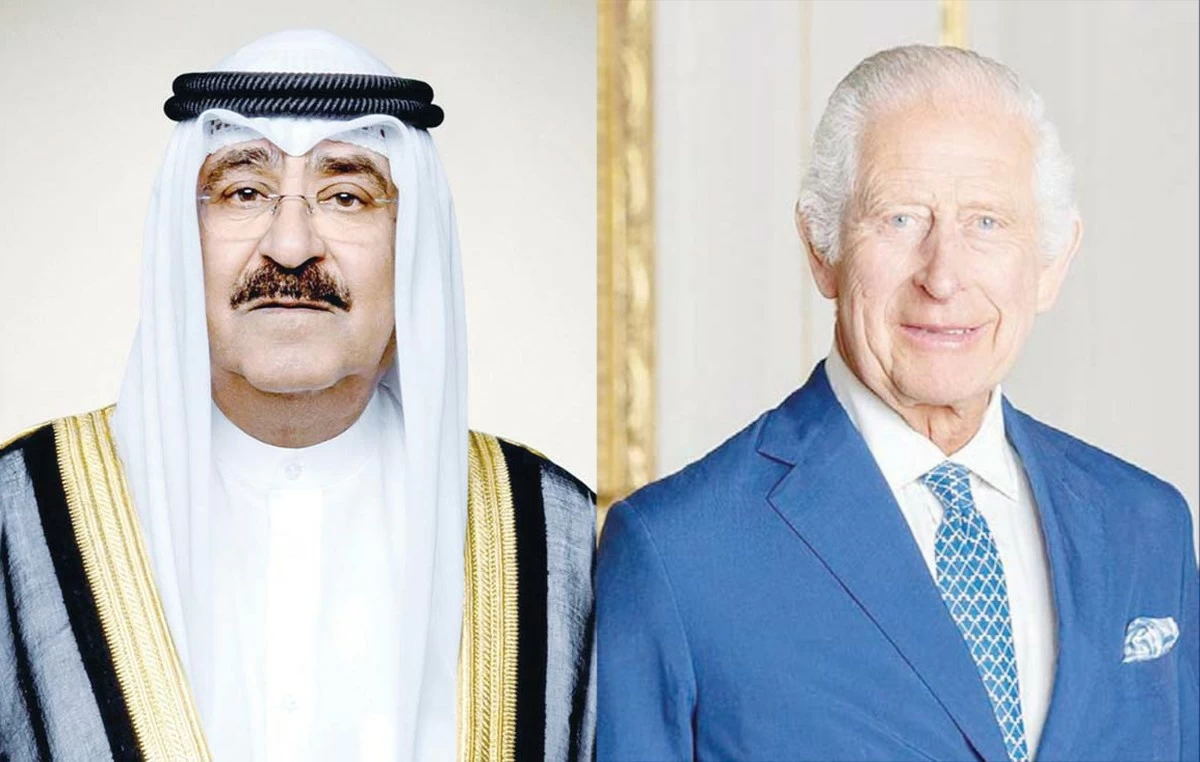
His Highness the Amir and His Majesty King Charles III
KUWAIT CITY, June 10, (Agencies): His Highness the Amir Sheikh Meshal Al-Ahmad Al-Jaber Al-Sabah received a call on Wednesday from His Majesty Charles III, King of the United Kingdom of Great Britain and Northern Ireland. During the call, both sides touched on the strong bilateral ties between the two countries, as well as number of mutual issues and developments, particularly the heinous Iranian attacks on Kuwait’s territories and airspace. King Charles III expressed his strong condemnation of the attacks, which constitute a flagrant violation of Kuwait’s sovereignty, international law, and the UN Charter, affirming his country’s solidarity with Kuwait and its full support for all the measures taken to preserve its sovereignty, security, and stability. His Highness the Amir thanked King Charles III for standing by Kuwait and supporting all measures taken, wishing the King good health and well-being, and to the British people continued progress and prosperity.
Separately, His Highness the Crown Prince Sheikh Sabah Khaled Al-Hamad Al-Sabah received a call from President of the European Council Antonio Costa, who conveyed the European Union’s full solidarity with Kuwait following the attacks. Costa stressed that diplomacy remains the only viable path to achieving security and stability in the Middle East, reiterating the EU’s call for de-escalation and continued diplomatic engagement. The two sides also reviewed the longstanding and distinguished relations between Kuwait and EU member states, with Costa expressing aspirations to deepen cooperation as both sides mark the 40th anniversary of their ties. His Highness the Crown Prince expressed appreciation for the EU’s supportive stance and highlighted the depth of Kuwait-EU relations, wishing continued prosperity for EU member states.
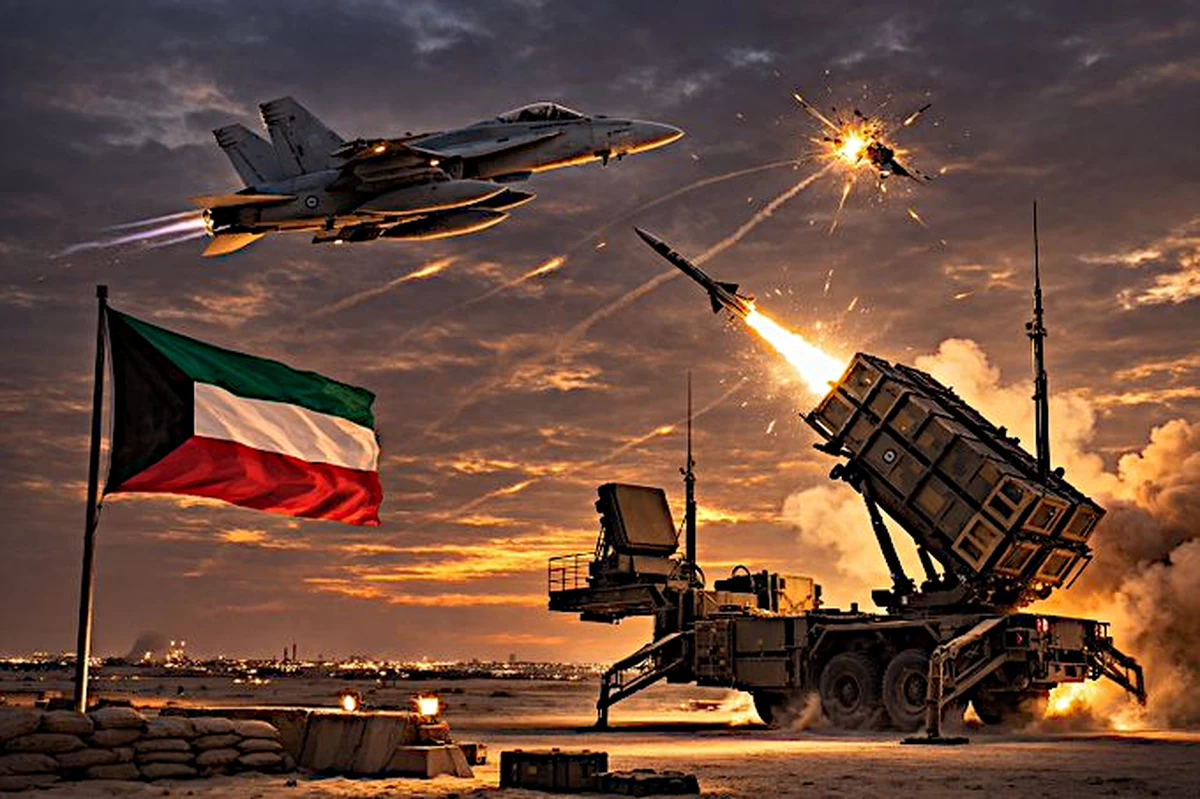
On the ground, Kuwait’s General Staff announced that air defense systems intercepted hostile objects early Wednesday in line with operational procedures, urging citizens to adhere to safety instructions issued by authorities. The Ministry of Foreign Affairs strongly condemned the continued Iranian attacks, describing them as a dangerous escalation that threatens civilian lives and vital infrastructure. The ministry said the repeated attacks reflect a systematic aggressive approach and constitute a clear violation of Kuwait’s sovereignty, international law, and the UN Charter, affirming Kuwait’s right to take all necessary measures to defend its territory. Kuwait also condemned similar Iranian attacks targeting Bahrain and Jordan, warning that such actions undermine de-escalation efforts and pose serious risks to regional stability. The ministry reaffirmed Kuwait’s full solidarity with both countries.
Regional and international condemnation followed swiftly. Saudi Arabia denounced the attacks as blatant violations of sovereignty and a threat to regional security, while the United Arab Emirates, Qatar, and the Arab Parliament issued similar statements rejecting the escalation and expressing full solidarity with Kuwait, Bahrain, and Jordan. Qatar, in statements from both its Foreign Ministry and Cabinet, stressed the need to prevent further escalation and support diplomatic solutions.
The Arab Parliament underscored that Arab national security is indivisible, calling on the international community and the UN Security Council to act decisively. Arab League Secretary-General Ahmad Aboul Gheit also condemned the attacks, warning that continued targeting of Arab territories threatens regional stability. He called for intensified efforts to resolve the ongoing crisis and contain its broader implications. In latest development, the United States launched airstrikes early Wednesday against Iran, and Tehran fired back at countries in the region. The escalating attacks threatened to derail efforts to end the war, as U.S. President Donald Trump warned that Tehran would “pay the price” for stalled peace negotiations.
Trump’s warning came hours after Bahrain, Kuwait and Jordan - all of which host U.S. troops - came under Iranian fire. It was the second time this week that back-and-forth strikes have tested a two-month ceasefire. On Monday, Iran and Israel targeted each other. It was not clear what Trump’s post on Truth Social would mean for Tehran, and the comments underlined the American leader’s whipsaw approach to the war. He suggested on Monday that a deal to end the conflict could be reached in a matter of days. Iran, meanwhile, has proved resilient despite having faced weeks of heavy bombing. It is betting that its ability to effectively close the Strait of Hormuz - a crucial passageway for the world’s oil and natural gas - gives it a strong bargaining chip. Still, both countries seem to be looking for a way to end the conflict - if they can manage to sell it as a win at home. But Israeli Prime Minister Benjamin Netanyahu appears intent on pursuing much more difficult goals: the collapse of Iran’s theocratic government, the elimination of its nuclear program, and the destruction of the Iranian-allied Hezbollah militant group in Lebanon.
That will make compromise much harder. Since the U.S. and Israel started the war with attacks on Iran on Feb. 28, the conflict has shaken the global economy, driven up energy prices around the world, and made food and other basics more expensive. The international benchmark for crude oil traded above $92 a barrel on Wednesday, up more than 25% since the start of the war. In the latest strikes, U.S. fighter jets targeted “air defense, ground control stations, and surveillance radar sites,” the military’s Central Command said. Iran acknowledged strikes around Bandar Abbas and Qeshm Island, but gave no details on damage. Iran’s top diplomat vowed that there would be a response, and Tehran later claimed attacks in Kuwait, Bahrain and Jordan.