


18/05/2026

Share:
18/05/2026
Share:
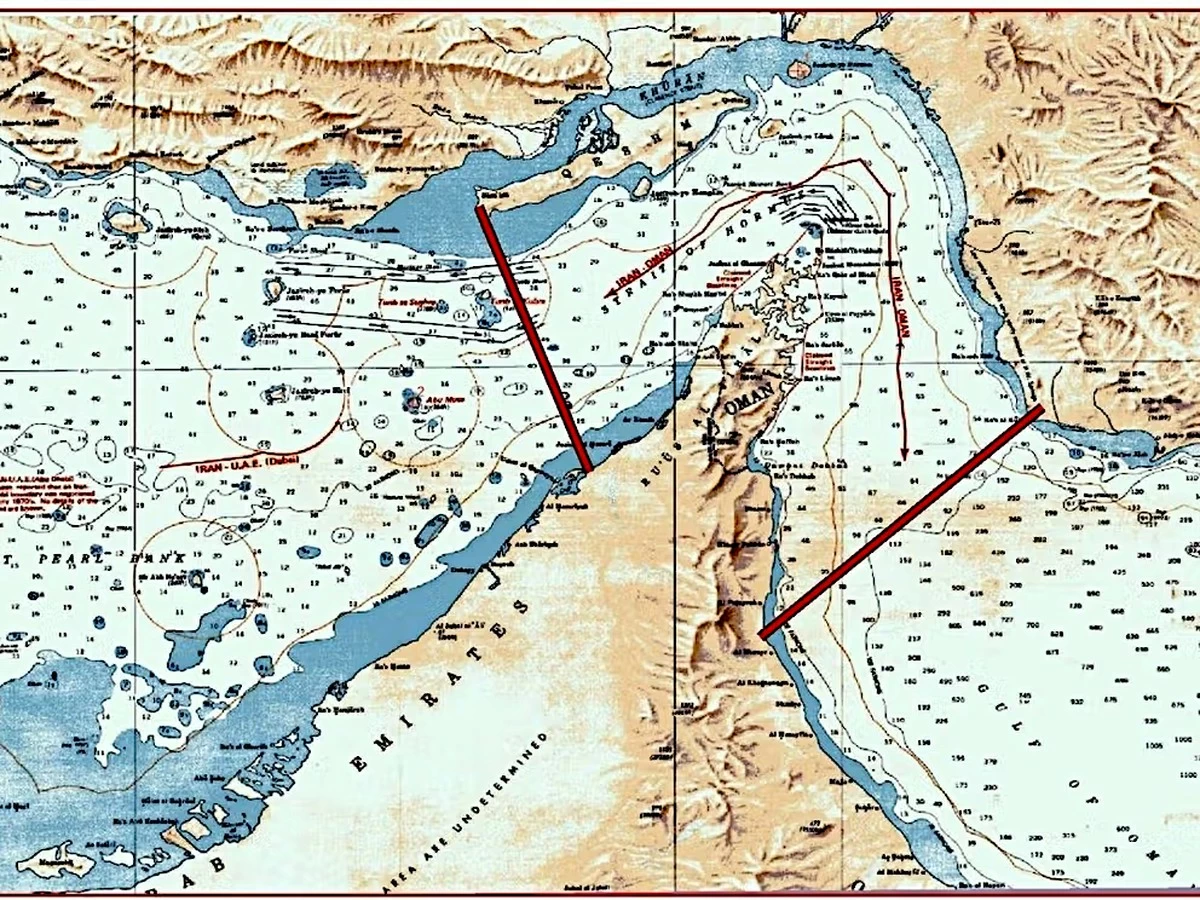

BERLIN, May 18: Germany on Monday called on Iran to open the Strait of Hormuz without restrictions, while the International Energy Agency (IEA) warned that global commercial oil inventories are down to only a few weeks of supply amid escalating tensions linked to the Iran conflict.
German Chancellor Friedrich Merz said Iran must “enter serious negotiations” with the United States, halt threats against neighboring countries, and fully reopen the strategic waterway for shipping.
“Iran must enter serious negotiations with the United States, stop threatening its neighbors and open the Strait of Hormuz without restrictions,” Merz said in a post on X.
He also condemned renewed Iranian airstrikes against the United Arab Emirates and other regional states, warning that attacks on nuclear facilities risked further escalation.
“There must be no further escalation of violence,” he said.
Oil inventories under pressure
Meanwhile, IEA Executive Director Fatih Birol warned that commercial oil inventories are being depleted at a rapid pace, with only a few weeks of supply remaining due to disruptions linked to the Iran conflict and reduced flows through the Strait of Hormuz.
Speaking on the sidelines of the Group of Seven finance leaders’ meeting in Paris, Birol said the release of strategic petroleum reserves had added about 2.5 million barrels per day to global supply, but cautioned that these reserves were not sustainable.
“These reserves are not endless,” he said, noting that seasonal demand increases in the spring planting and summer travel periods in the northern hemisphere would further strain supply, particularly for diesel, jet fuel, gasoline and fertilizer inputs.
Birol also pointed to a shift in market dynamics, saying that what was previously a surplus in global oil supply had quickly turned into tightening conditions following the outbreak of conflict.
He said commercial inventories would last “several weeks,” but stressed they were declining rapidly.
The IEA last week warned that global oil supply is now expected to fall short of demand this year, reversing earlier forecasts of a surplus, as the conflict disrupts Middle East production and accelerates inventory drawdowns.