



18/06/2026

Share:
18/06/2026
Share:
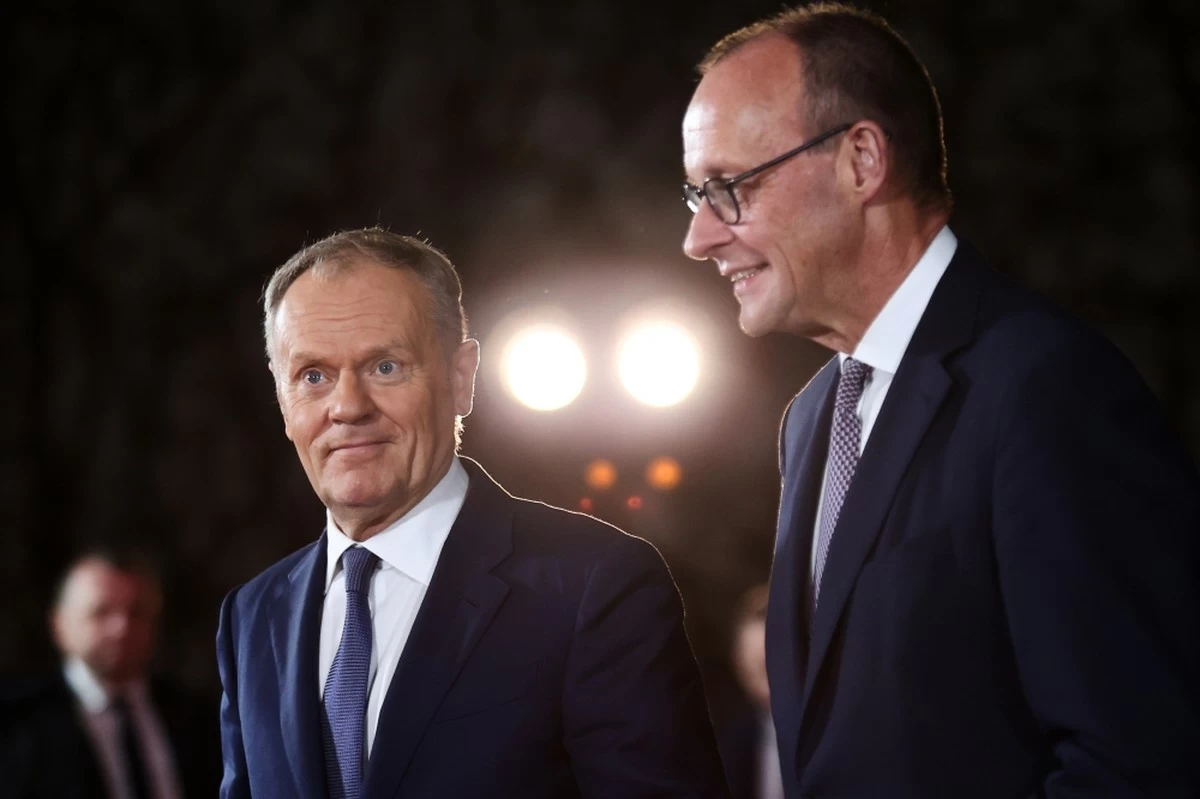

WARSAW, Poland, June 18, (AP): Germany and Poland signed a new defense agreement on Wednesday, putting aside their complicated past to strengthen European military cooperation amid heightened tensions with Russia and growing uncertainty over US engagement in Europe. Relations between the two neighbors in recent years have become more pragmatic in the wake of Russia’s full‑scale war on Ukraine in 2022 and the coming to power of a liberal government in Poland in 2023.
"We are not forgetting the past,” Polish Defense Minister Władysław Kosiniak-Kamysz said in Warsaw during a press conference with his German counterpart, Boris Pistorius. "But the politics of the future, development and security are our obligation.” As the US weighs a partial drawdown of its military presence in Europe, Poland is keen to ensure that major European allies take a greater role in defending the continent’s eastern flank.
Germany seeks partners as it moves to revitalize its military, the Bundeswehr, after decades of neglect, with ambitions to build the strongest conventional army on NATO’s European side - an effort that will make it a central pillar of European defense in the years ahead. Poland’s importance as a logistics hub for Ukraine, alongside its growing economy and heavy defense investment, has made it a compelling partner for Germany and other core European countries.
"Poland started building a strong army much earlier than other countries in Western Europe,” Cezary Tomczyk, the Polish deputy defense minister, told The Associated Press. "So we are ahead when it comes to capabilities.” "We definitely don't accept that any agreements about this part of Europe are made without Poland,” he said.
"We Germans need a strong Poland as an equal partner,” German Chancellor Friedrich Merz said in Berlin after meeting with liberal Polish Prime Minister Donald Tusk in December. "This is in our fundamental interest.” The defense agreement is to include plans for protecting the Baltic Sea region and details about cooperation on military mobility and infrastructure, cyber defense and new technologies.
The two countries are irreversibly tied by NATO’s defense plans, which give Germany a key role in the defense of the Baltic region, together with Poland and other countries in the central and eastern European region, said Justyna Gotkowska, deputy director of the Warsaw-based think tank Center for Eastern Studies. "Germany is largely responsible for the defense of the Baltic states and without cooperation with Poland, that will not happen,” Gotkowska said.