



14/04/2026

Share:
14/04/2026
Share:
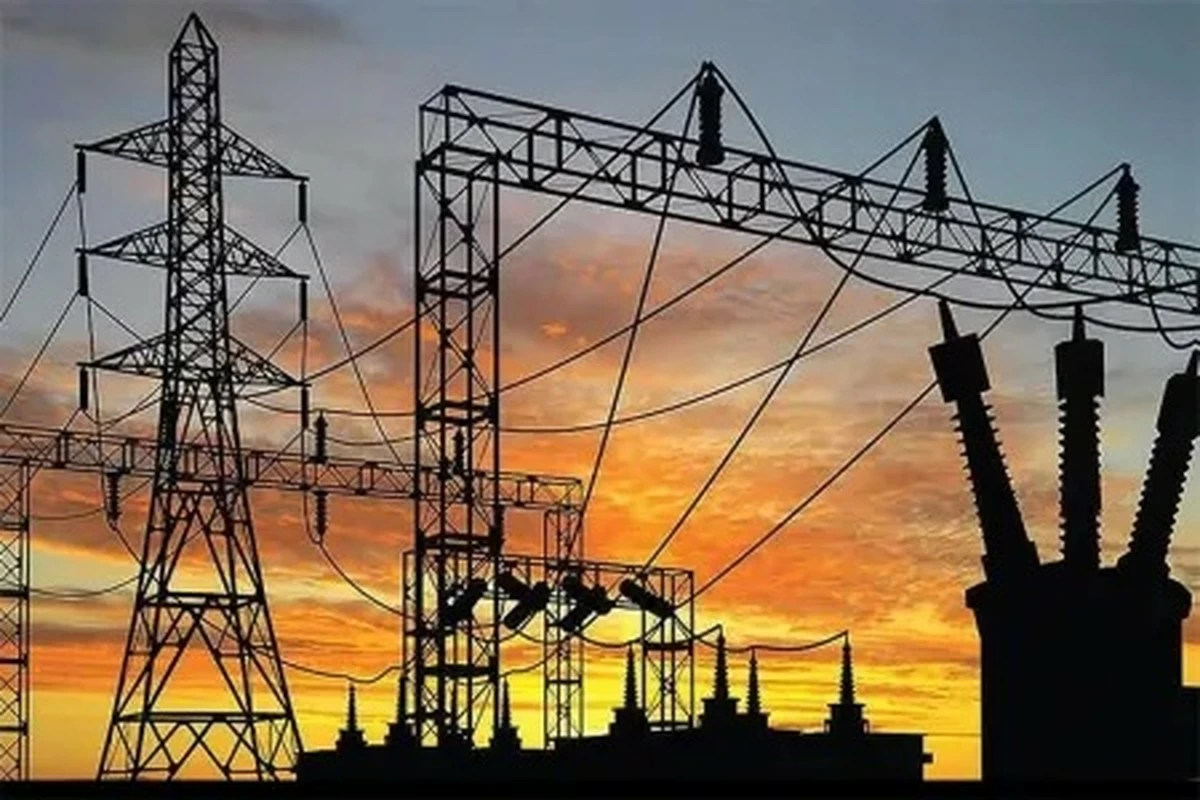

This is to ensure the integrity of procedures before finalizing the contract with the GCCIA and commencing the supply of the agreed quantity of electricity. The ministry is utilizing the GCCIA network to cover electricity needs and guarantee the stability of the national grid during the summer months, when consumption usually increases to record levels due to high temperatures that lead to intensive use of air conditioning units, which consume around 70 percent of the electricity produced. The power import also aims to provide more time for carrying out routine maintenance of power generation and water desalination units at various stations, as per the approved plan.
This is important for older units that the ministry is working hard to rehabilitate and resume operations, in addition to the new units, which are being commissioned now. In a related development, the ministry, in cooperation with Kuwait Authority for Partnership Projects (KAPP), is finalizing procedures for tendering and implementing several power production projects to achieve electricity self-sufficiency in the future and reduce the need for electricity imports. These projects include the North Zour power plant (phases two and three) with a total capacity of 2,700 megawatts, the Subiya power plant with a capacity of 900 megawatts, Khairan power plant with a capacity of 5,400 megawatts and others.
This allocation covers 36 ministries and government agencies -- an increase of KD39.724 million compared to the approved budget for the same item in the previous fiscal year, which totaled KD133.476 million. According to the report, the approved expenditures for electricity totaled KD139.498 million, while KD33.702 million was allocated for water. It is worth noting that electricity and water fees for the government sector are the highest compared to other residential sectors -- 25 fils per kilowatt-hour and the cost of 1,000 imperial gallons is KD4.
This is significantly higher than the fee for the industrial and agricultural sectors, where the fee for the same quantity is 750 fils. The Ministry of Electricity, Water and Renewable Energy will establish 23 administrative, technical and service buildings in various areas to decentralize services and make them more accessible to the public, including emergency services, electricity connection, debt payment and other services, as well as providing a suitable environment for employees and visitors. The ministry included these buildings in its current annual plan, which will be implemented gradually through the Technical Services Sector. Among these buildings are six green buildings to serve customers in all governorates, a workshop for manufacturing solar panels, and a water analysis laboratory building in Shuwaikh.