


09/05/2026

Share:
09/05/2026
Share:
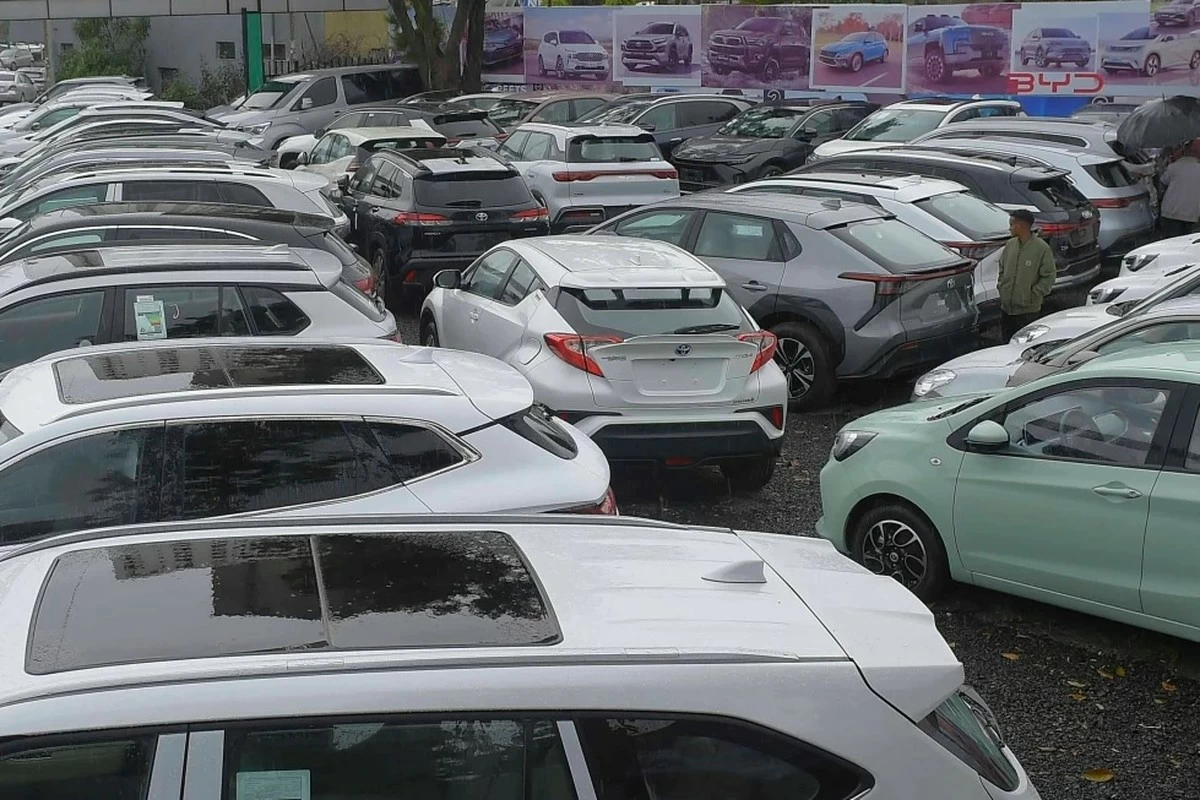
A batch of electrical vehicles for sale parked at a car yard in Addis Ababa, Ethiopia on Oct 3, 2024. (AP)

Nairobi, KENYA, May 9, (AP): Use of electric vehicles in Africa is surging, led by Ethiopia, as soaring prices and fuel shortages compel countries to opt for cleaner and cheaper transport.
Africa imported 44,358 electric vehicles from China in 2025, according to data from China’s Commerce Ministry, up from 19,386 in 2024. The shipments, valued at over $200 million, highlight growing demand, especially in Ethiopia after it banned new imports of gas and diesel-powered vehicles in 2024.
More than 115,000 EVs are now on Ethiopia’s roads, accounting for about 8% of the national fleet. In 2025, it imported a third of Africa’s imports from China, ahead of other major markets in South Africa, Egypt, Morocco and Nigeria.
As the Iran war drags on, Ethiopia’s fuel shortages are rippling through transport systems and daily life, reinforcing its effort to cut costly imports of oil and gas and strengthen its energy security. However that trend is raising questions about charging infrastructure and affordability.
Ethiopia’s spends about $4.2 billion on fuel imports annually, straining its foreign currency reserves.
Its minister of Trade and Regional Integration, Kassahun Gofe, said in a statement that the country also is spending up to $128 million monthly on fuel subsidies, while shipments fell short by more than 180,000 metric tons as the imports are disrupted by Iran’s effective closure of the Strait of Hormuz, the shipping route for about a fifth of oil from the Gulf region before the war.
The government has redoubled its campaign for quicker EV adoption, framing it as a critical buffer against external supply shocks.
“From a general perspective, it is sustainable,” said Hiten Parmar, executive director of South African- based The Electric Mission. “By replacing imported fuel with domestically generated electricity, Ethiopia is strengthening its energy security position.”