



08/01/2024
 Arab Times

Share:

The recent attempt at the first U.S. moon landing in over 50 years faced a critical setback as a private company's spacecraft, managed by Astrobotic Technology based in Pittsburgh, developed a fuel leak just hours after Monday's launch. Despite efforts to orient the lander toward the sun for power, a "critical loss of fuel" in the propulsion system jeopardized the planned moon landing scheduled for February 23. The company is now evaluating alternative mission profiles.
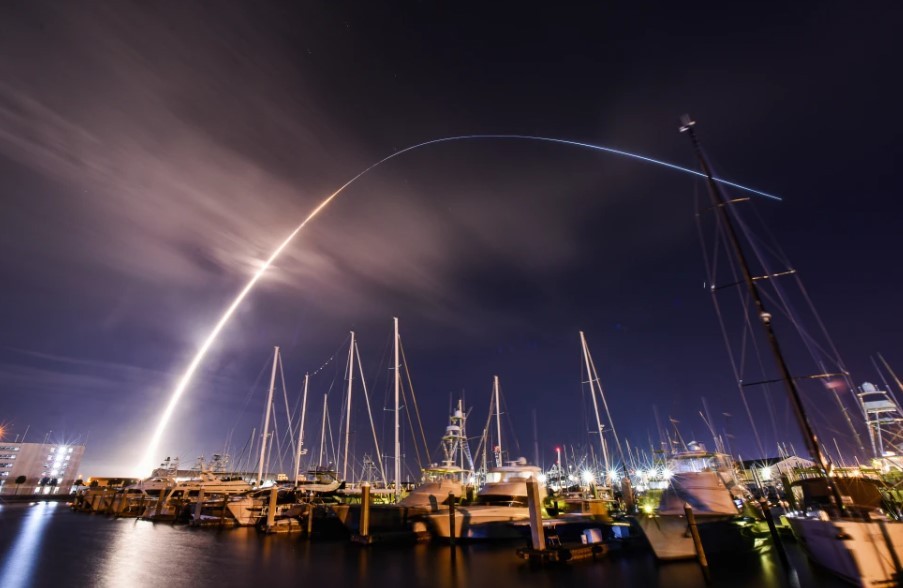
The propulsion system issue was identified approximately seven hours after the predawn liftoff from Cape Canaveral Space Force Station, where United Launch Alliance's Vulcan rocket propelled Astrobotic's lander named Peregrine on a roundabout path to the moon. Astrobotic aimed to be the first private company to successfully land on the moon, with NASA providing financial support for their lunar exploration efforts. The space agency hopes to use private companies to deliver tech, science experiments, and equipment to the moon before astronauts' return.
The Artemis program, NASA's initiative to return astronauts to the moon's surface, looks toward the next few years for such a mission. Monday's launch also marked the delayed test flight of the Vulcan rocket, a vital part of the space exploration endeavor. Despite the setback, the space agency and private companies view each mission as an opportunity to learn and grow, acknowledging the inherent risks associated with lunar exploration. Next month, SpaceX is expected to launch a lander from Intuitive Machines, potentially attempting a moon landing near Astrobotic's mission. (AP)