

26/10/2026

Share:
26/10/2026
Share:

TAIPEI, Oct 26: For travellers planning a visit to Taiwan, the National Palace Museum should be high on the list of places to explore. My visit in early October 2026 offered a remarkable journey through centuries of Chinese history, artistic achievement and cultural heritage, bringing visitors face to face with treasures created by generations of emperors, artisans and scholars.
Located in Taipei, the museum is much more than a repository of ancient objects. Its galleries offer a fascinating insight into the traditions, beliefs, craftsmanship and refined artistic tastes that shaped Chinese civilisation. From intricately carved jade and magnificent bronze vessels to imperial paintings, rare ceramics and historical manuscripts, the collection rewards visitors with something new at every turn. Yet, two of its most celebrated treasures stand out for their extraordinary realism and imaginative craftsmanship: the Jadeite Cabbage and the Meat-shaped Stone.
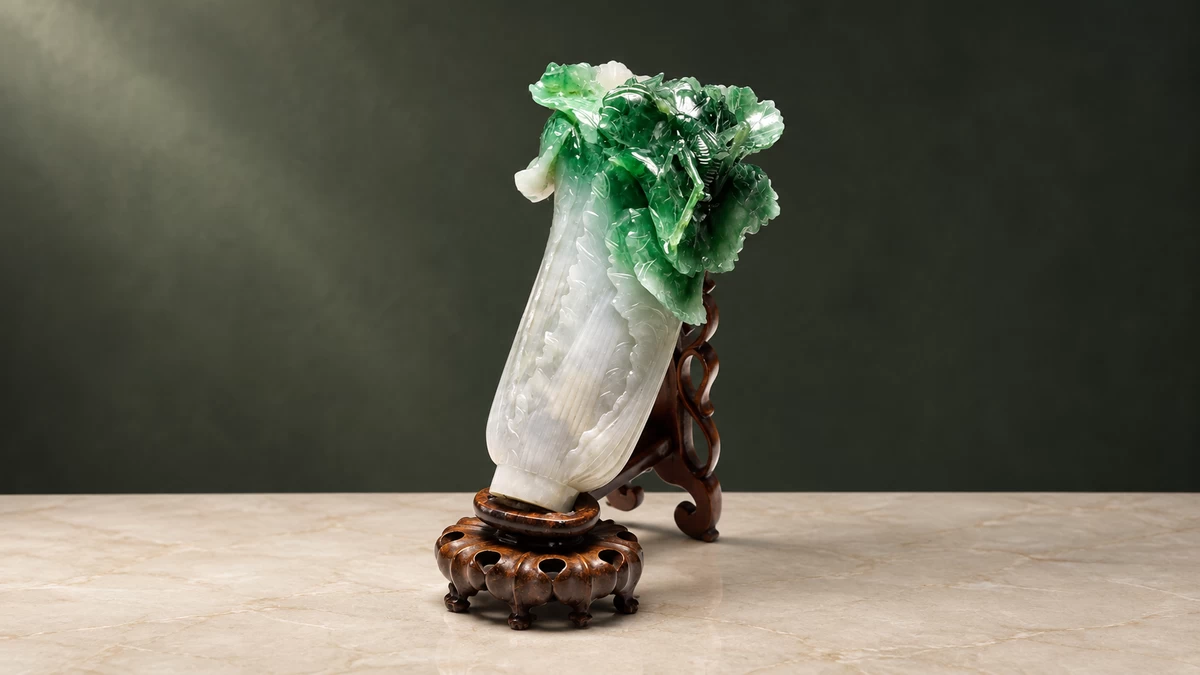
Jadite cabbage
The Jadeite Cabbage: A Masterpiece Carved from Nature
The Jadeite Cabbage is among the National Palace Museum’s most recognisable treasures, captivating visitors with its delicate details and lifelike appearance. Carved from a single piece of jadeite, the sculpture takes advantage of the stone’s natural white and green colours to recreate the pale stalk and layered leaves of a cabbage.
A closer look reveals two tiny insects — a locust and a katydid — perched among the leaves, adding movement and life to the composition. The remarkable detail transforms a familiar vegetable into an exquisite work of art.
The cabbage has traditionally been associated with purity and fertility. It is believed to have been part of the dowry of Consort Jin during the Qing Dynasty, adding another layer of historical interest to this celebrated object.
What makes the sculpture especially impressive is the way its creator worked with the natural variations in the jadeite rather than treating them as imperfections. The result is a small but extraordinary demonstration of artistic imagination, technical skill and sensitivity to the material.
For visitors interested in jade, this is an essential stop. The sculpture also offers a memorable reminder that great art can be created from the simplest subjects when craftsmanship and creativity come together.
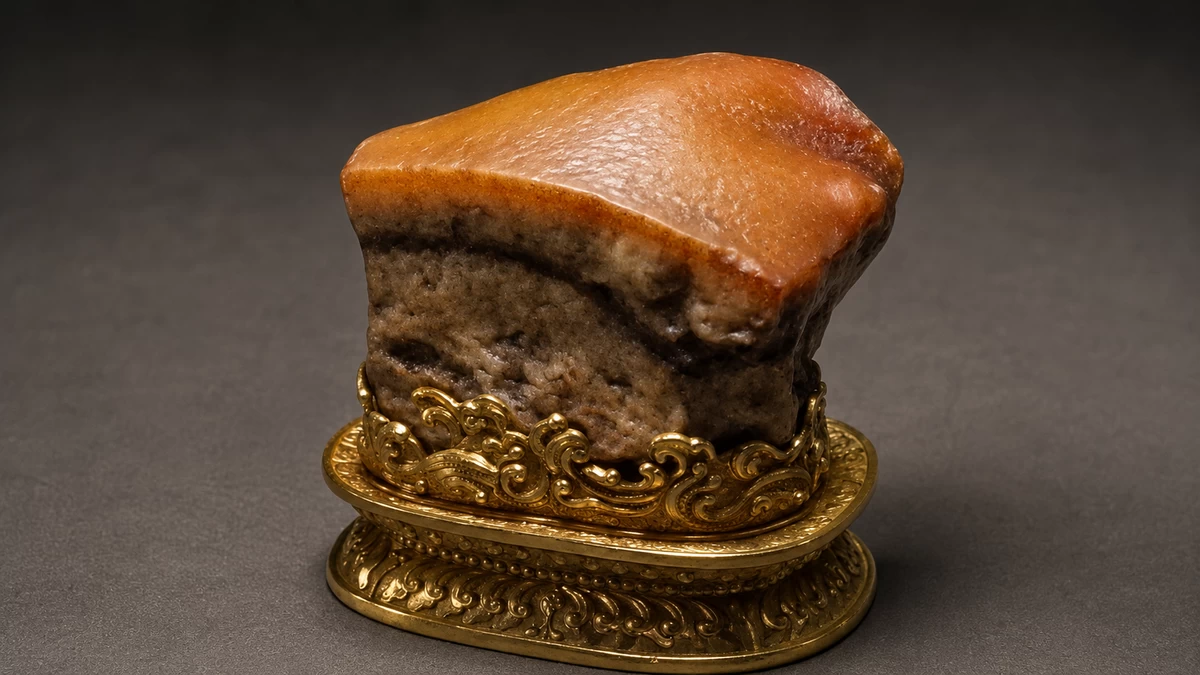
Meat shapped stone
The Meat-shaped Stone: Art That Looks Almost Edible
Another much-loved museum treasure is the Meat-shaped Stone, a piece of jasper carved and treated to resemble a slice of braised pork belly. Its layered colours, carefully finished surface and tiny pores create an astonishingly realistic appearance.
The craftsmanship is so convincing that the stone can initially look more like food than an artwork. Its visual appeal lies in the artist’s ability to reproduce the textures and colours of a familiar dish using a hard mineral material.
Together, the Jadeite Cabbage and Meat-shaped Stone demonstrate the extraordinary range of traditional Chinese decorative arts. One celebrates the natural beauty of jadeite through the form of a vegetable; the other transforms stone into a remarkably lifelike representation of food.
Both works are internationally recognised highlights of the museum. During my visit in early October, they were scheduled to be displayed at the museum’s Northern Branch in Gallery 302. As exhibition arrangements can change, visitors should check the museum’s official website before travelling to see either treasure.
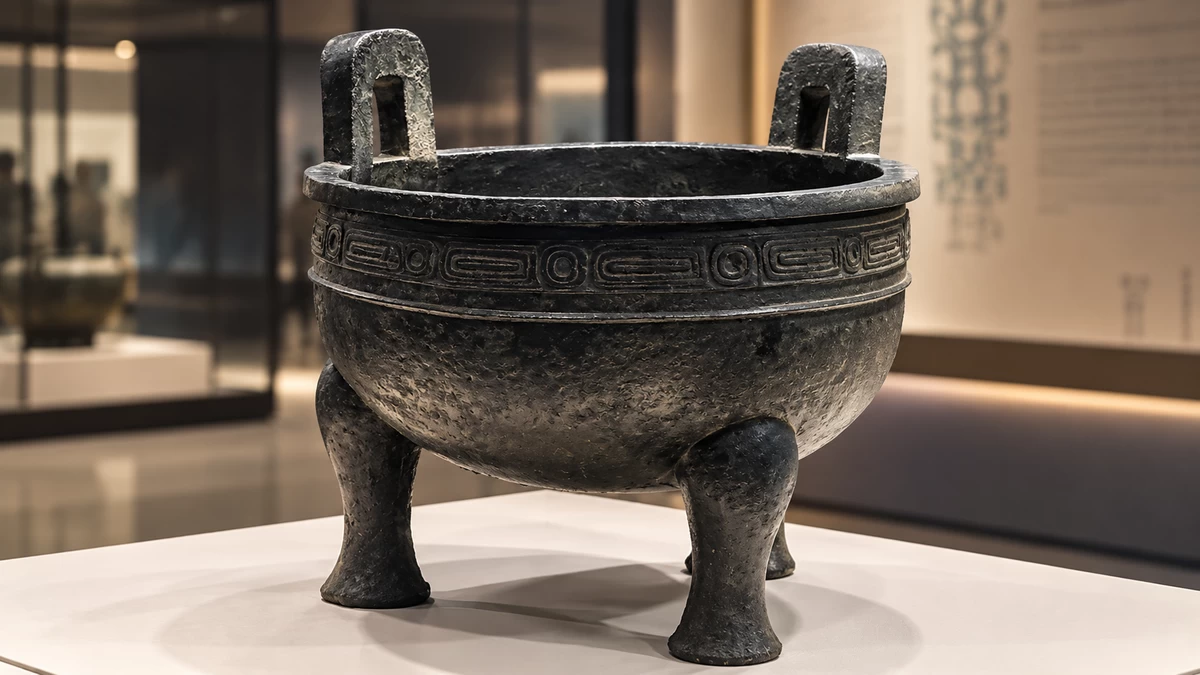
Mao Gong Ding bronze vessel
Beyond Jade: Treasures Spanning Centuries
Although the Jadeite Cabbage and Meat-shaped Stone attract considerable attention, the National Palace Museum’s collection extends far beyond these famous works.
One of its important historical treasures is the Mao Gong Ding, a bronze vessel from the Western Zhou Dynasty. Its lengthy inscription provides valuable information about royal affairs and the political and social traditions of the period. The vessel demonstrates how bronze objects served purposes beyond decoration, preserving written records and reflecting the authority and beliefs of early Chinese society.
The museum’s jade collection is equally compelling. Ritual objects and finely carved ornaments reveal the material’s longstanding importance in ceremonial practices and its associations with status, spirituality and skilled craftsmanship.
Visitors should also look for the Olive Stone Miniature Boat, an extraordinary work carved from a tiny olive pit. Its miniature figures and intricate details demonstrate the patience and precision required to create elaborate scenes on such a small surface. The carving is associated with the famous Ode to the Red Cliff, a celebrated literary work in Chinese culture.
For lovers of traditional painting, Travelers Among Mountains and Streams, attributed to the Northern Song Dynasty master Fan Kuan, offers a striking vision of towering mountains and the relationship between people and nature. The painting’s scale and composition invite visitors to look beyond individual details and appreciate the grandeur of the landscape.
The collection also includes rare Ru ware ceramics from the Northern Song Dynasty, admired for their delicate blue-green glazes, alongside imperial paintings, calligraphy, rare books and historical documents. Together, these works reveal the development of artistic techniques and the intellectual life of successive dynasties.
Another remarkable object is the Artificial Planter with a Coral Carving of the Planetary Deity Kuixing. Its vivid coral carving and elaborate design combine fine craftsmanship with traditional mythology, offering a striking example of the decorative arts associated with the Qing Dynasty.
Each of these objects tells a different story. Some document political and intellectual history, others express spiritual beliefs, while many reveal the extraordinary skill with which artisans transformed bronze, jade, stone, ceramics and other materials into lasting works of art.
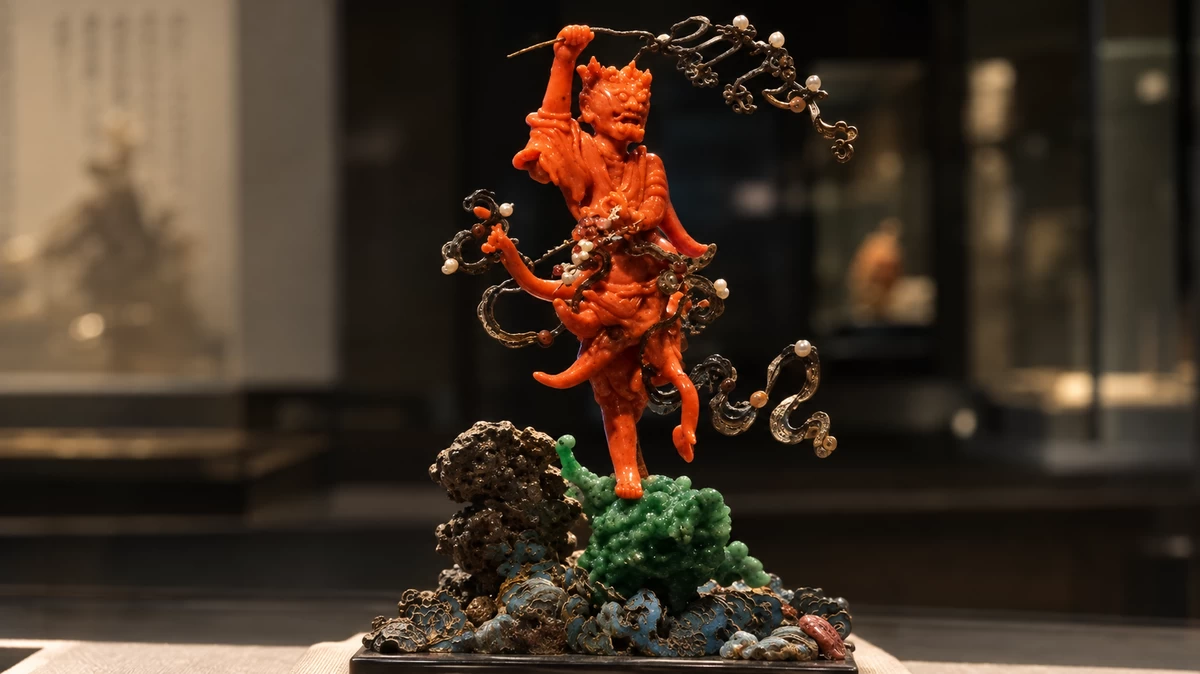
Artificial planter with a coral carving of the planetary deity Kuixing from the Qing dynasty
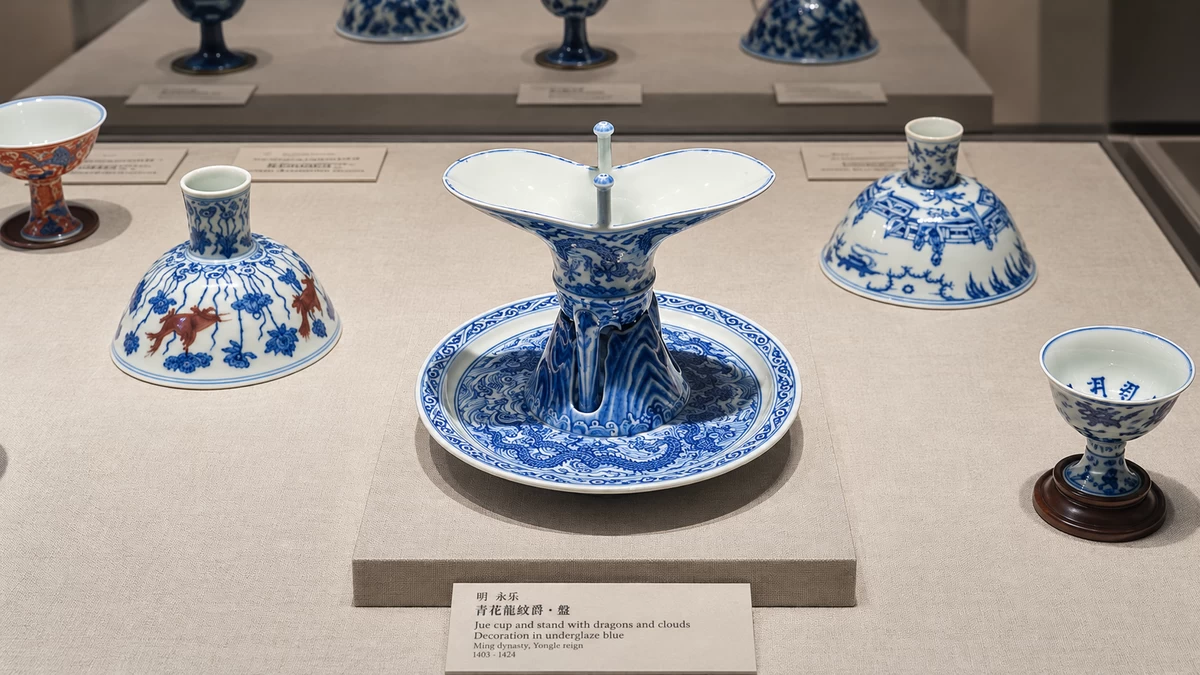
Blue-and-White - Jue Cup and Stand with Dragon and Cloud Decoration crafted during the Yongle Reign of the Ming Dynasty
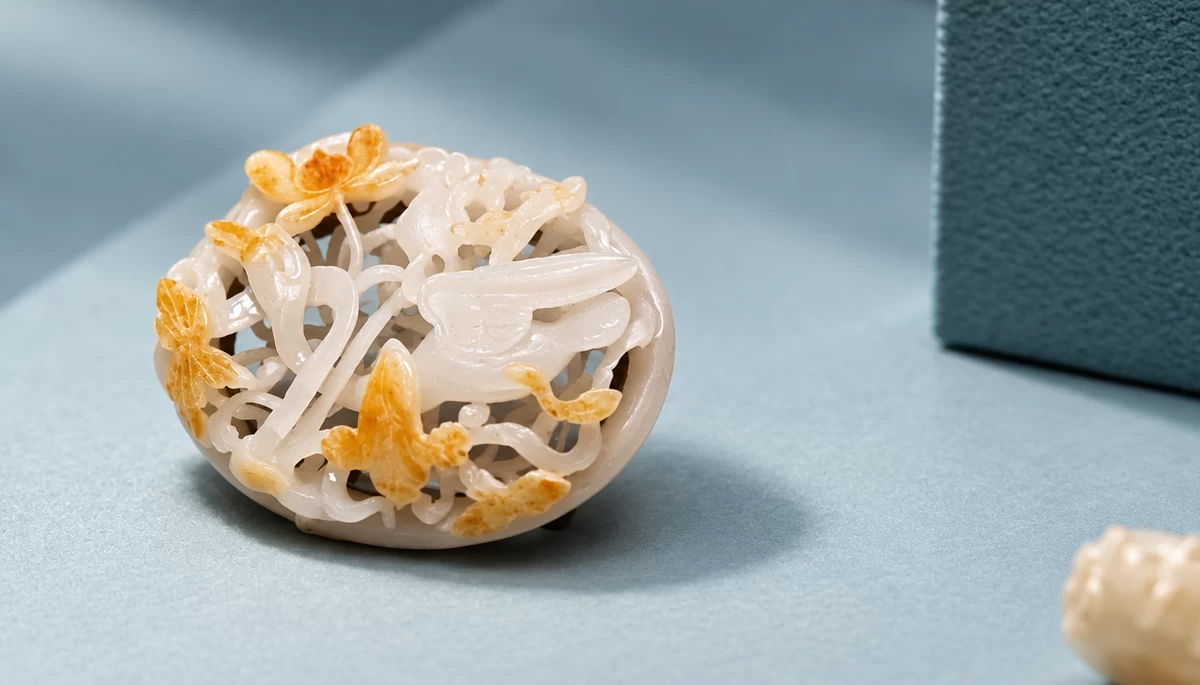
Jade Finial with Cranes Pattern from the Yuan to Ming dynasties
Jade Finial with Cranes Pattern from the Yuan to Ming dynasties
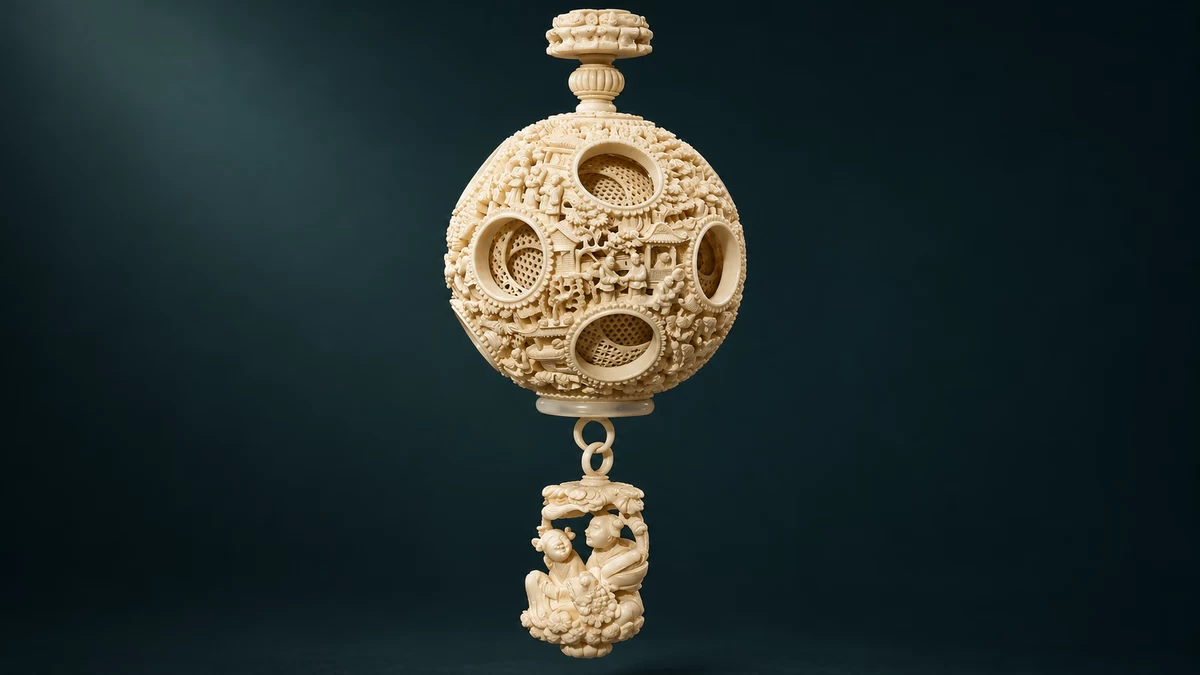
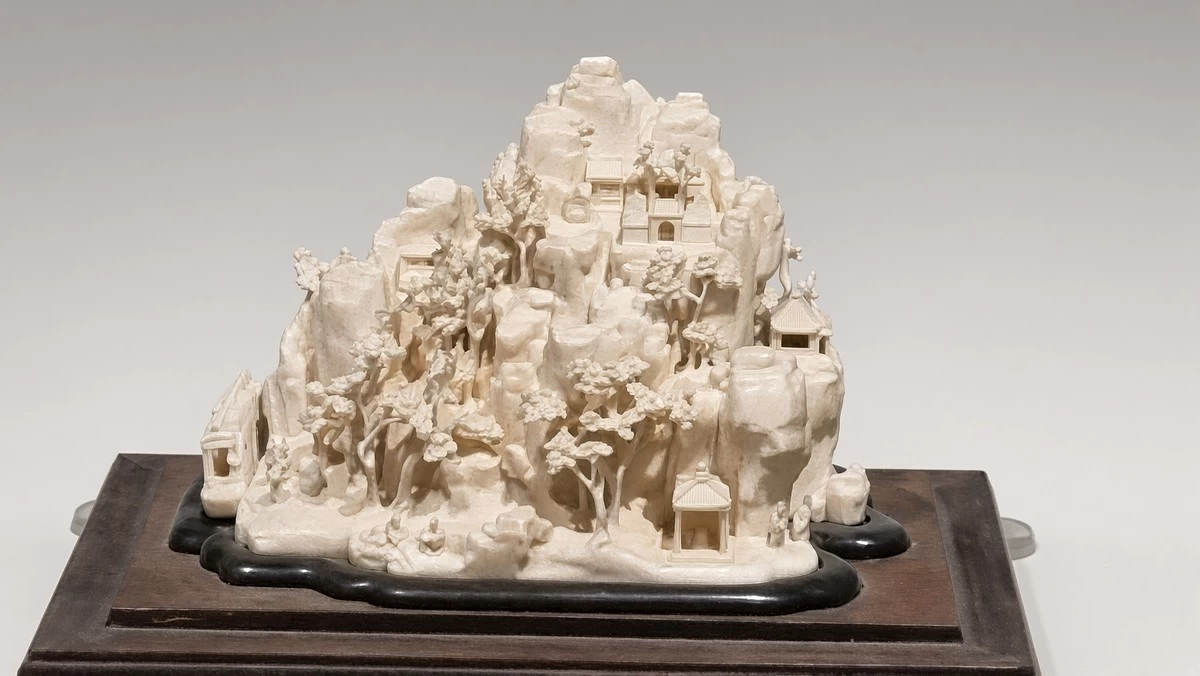
Qing dynasty ivory puzzle ball
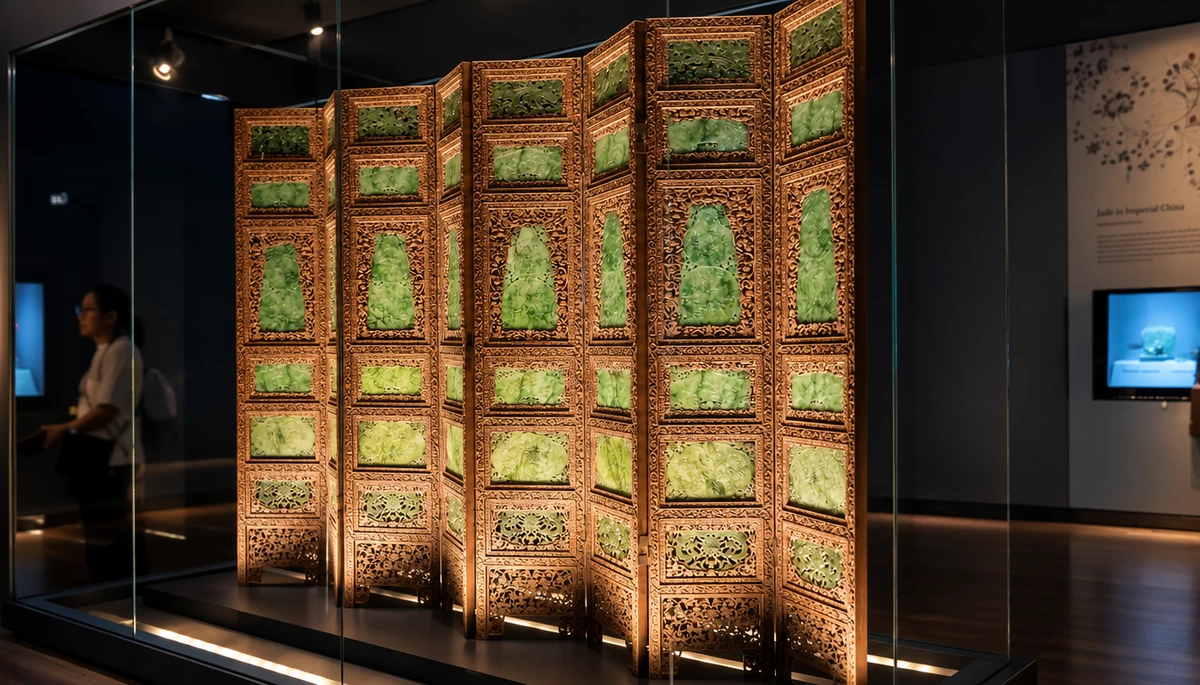
The Green Jade Folding Screen
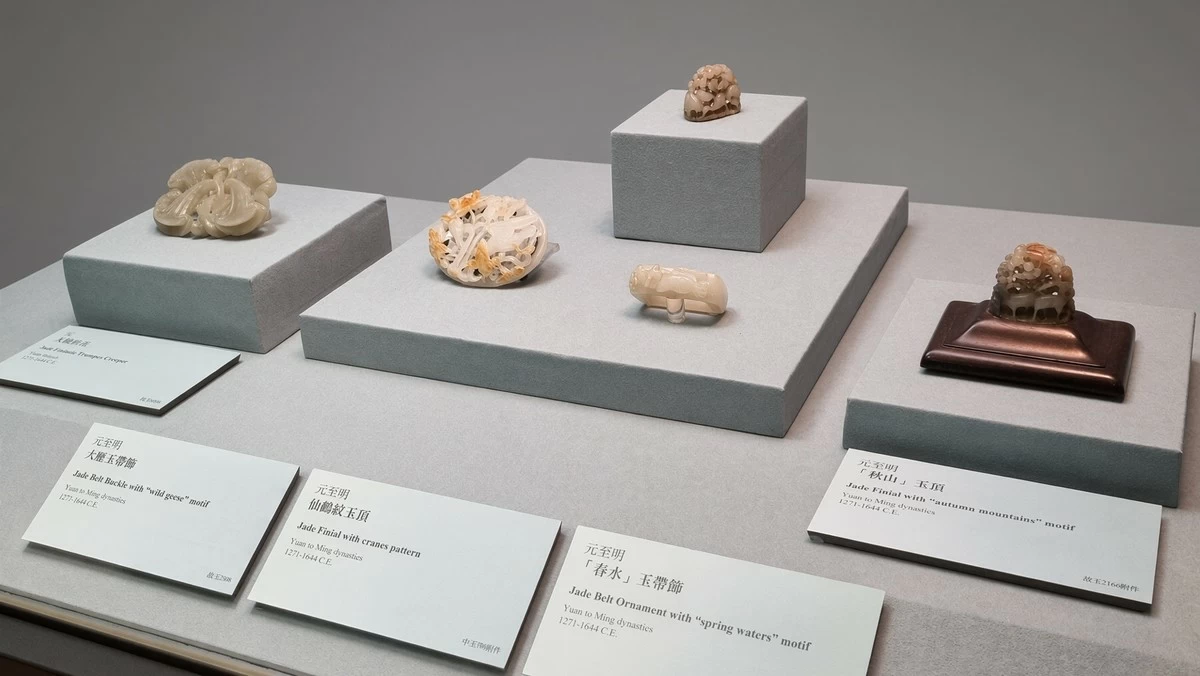
Yuan to Ming dynasties Imperial Jade Finials and Ornaments
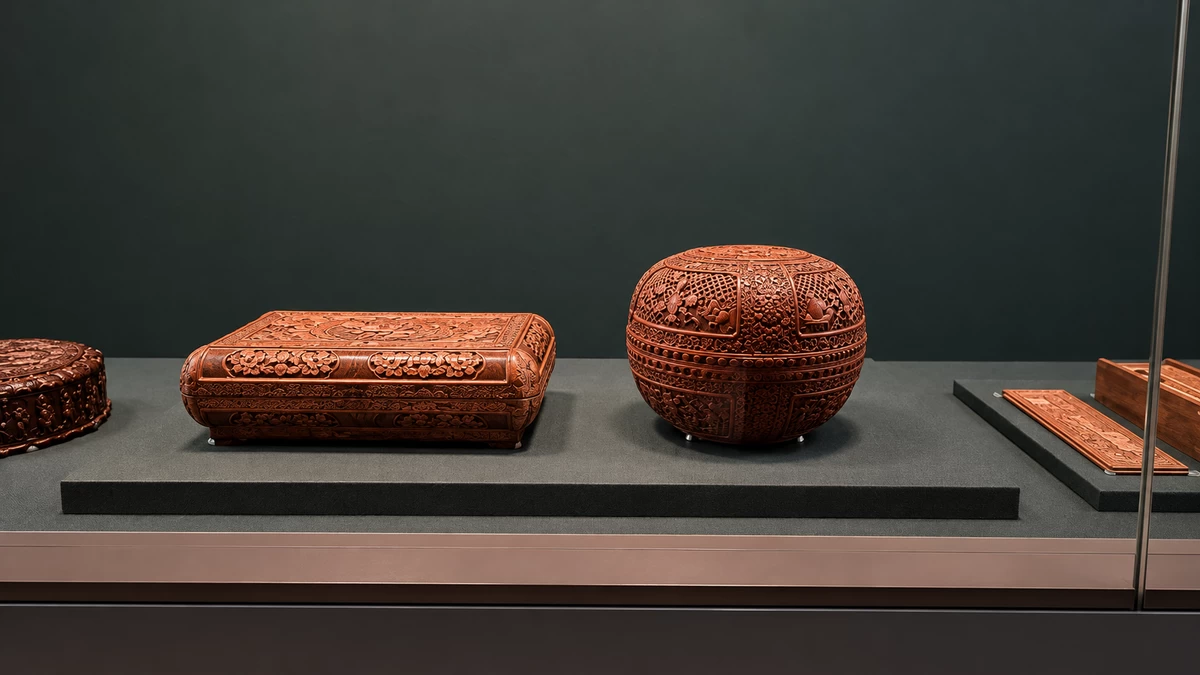
Carved red lacquer containers from the Ming and Qing dynasties
Why the National Palace Museum Belongs on Your Taiwan Itinerary
A visit to the National Palace Museum offers a different perspective on Taiwan, complementing the island’s modern cities, scenic landscapes, night markets and celebrated food culture with a deeper encounter with Asian history and art.
The experience is not limited to specialists or dedicated museum enthusiasts. The Jadeite Cabbage appeals through its delicate natural details, the Meat-shaped Stone surprises with its lifelike appearance, and the miniature carvings inspire admiration for the skill required to produce them. Meanwhile, the paintings, ceramics, bronzes and historical documents provide a broader understanding of the civilisation that produced these treasures.
For international visitors, the museum is also an opportunity to slow down and appreciate the stories behind objects that have survived across generations. Every gallery offers a reminder that artistic achievement is not measured only by an object’s size or material value, but also by the knowledge, imagination and traditions preserved within it.
My visit in early October left me with a deeper appreciation of the National Palace Museum’s role in safeguarding and presenting this extraordinary artistic legacy. For anyone travelling to Taipei, it is a destination worth setting aside several hours to explore.
If Taiwan is on your travel list, do not miss the National Palace Museum — especially its celebrated Jadeite Cabbage, the astonishing Meat-shaped Stone and the wider collection of jade treasures. They offer a memorable encounter with history, culture and craftsmanship that can turn a visit to Taipei into something truly special.
By John C Fernandes, Online Media Manager, Arab Times