


09/01/2026

Share:
09/01/2026
Share:
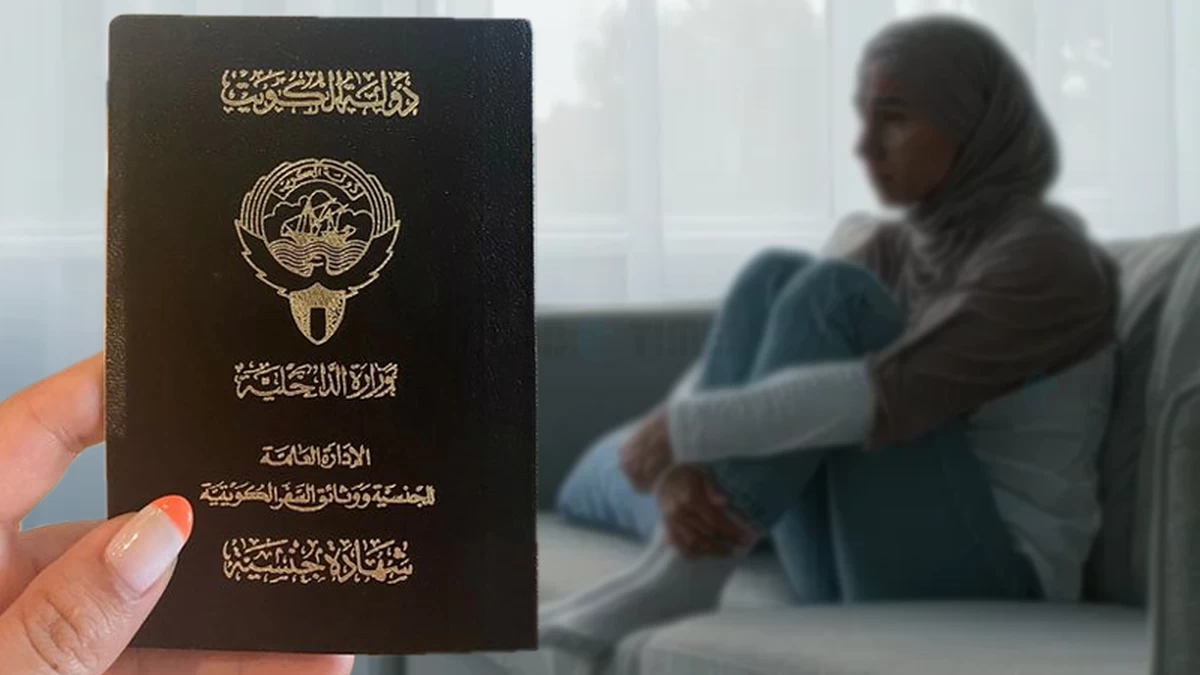

KUWAIT CITY, Jan 9: In a complex and deeply sensitive case that unravelled decades after it began, Kuwaiti authorities have uncovered a major nationality forgery dating back to 1985—one that ultimately led to the revocation of citizenship from 42 individuals, including children and grandchildren.
The case emerged during an extensive audit conducted by the Nationality Investigations Department, which has been systematically reviewing old nationality files containing inconsistencies, complaints, or lingering suspicions. What began as a single claim of lineage soon evolved into a dramatic exposure of fraud, deception, and falsified identity spanning generations.
A Claim That Sparked the Investigation
According to informed sources, the first thread of the case surfaced in Beirut in 2019, when a 21-year-old Syrian woman submitted a formal request through the Kuwaiti Embassy in Lebanon. In her application, she claimed to be the biological daughter of a deceased Kuwaiti citizen and sought official recognition of her lineage.
At the time, specialized Kuwaiti committees regularly visited embassies abroad to examine such claims. These teams were tasked with verifying identities, reviewing documentation, and collecting DNA samples in cases involving disputed lineage.
The young woman underwent a thorough investigative process. DNA samples were taken from her, along with copies of her Syrian identification documents and those of her Syrian mother. As the alleged father was deceased, her DNA was compared with samples taken from the children officially registered under the deceased Kuwaiti citizen’s file.
The results were unequivocal. Scientifically and beyond doubt, the DNA confirmed that the deceased man was indeed her biological father.
Yet despite this confirmation, the young woman was never officially registered. Incomplete documentation and unresolved procedural requirements left her case suspended—an administrative pause that would later prove pivotal.
A File Reopened, Doubts Intensify
During a later comprehensive review of nationality files marked by irregularities, investigators reopened the deceased man’s file what they found raised immediate red flags.
Records showed that the man was born in 1950 but had only entered Kuwait in 1985—the very year he was granted Kuwaiti nationality. This timeline alone raised serious questions about the legitimacy of his citizenship.
As investigators delved deeper, further inconsistencies surfaced.
Three Wives, All Syrian
Examination of the man’s personal and family circumstances revealed that he had been married to three women, all of Syrian nationality. Two of the wives resided in Kuwait, while the third—mother of the young woman who initiated the case—lived in Syria.
This pattern heightened suspicions and prompted authorities to expand the scope of the investigation.
Brothers Deny Any Relationship
The investigation reached a critical turning point when the men listed as the deceased’s brothers on the same citizenship file were summoned for questioning.
Their statements were startling.
The brothers categorically denied knowing the deceased man. They told investigators that their late father had once informed them that he had added a person to the citizenship file as one of his sons—despite there being no familial connection whatsoever. They confirmed that they had never met the man, had no relationship with him, and that he was not even present at their father’s funeral.
To remove any lingering doubt, authorities ordered DNA testing between the so-called “uncles” and the deceased man’s children. The results confirmed what the investigation had already suggested: there was no biological relationship between them.
Science Confirms the Fraud
Further DNA analysis delivered the final blow to the forged identity.
Investigators discovered that the deceased father had seven legitimate children. An eighth “son” had been added fraudulently to the file. DNA comparisons between the legitimate children and the eighth man’s children conclusively proved that they were not related in any way.
The evidence was irrefutable.
Citizenship Revoked for 42 Individuals
With the full scope of the fraud laid bare, the entire file was referred to the Supreme Nationality Committee. After reviewing the findings, the committee ruled to revoke the Kuwaiti nationality of the individual who had fraudulently obtained it.
The decision extended further. Citizenship was also withdrawn from all those who had acquired it through association with him—bringing the total number affected to approximately 42 individuals, including sons and grandsons.
Legal procedures are now underway to complete the process in accordance with established laws and regulations.
A Case That Redefined Scrutiny
This thorny case stands as a stark reminder of the long shadows cast by forged identities and falsified records—and of how modern forensic science, combined with meticulous review, can uncover the truth even decades later.
What began as a young woman’s search for recognition ultimately exposed one of the most far-reaching nationality forgeries uncovered in recent years.