

22/11/2026

Share:
22/11/2026
Share:

From ancient maritime connections and the enduring bonds of trade and migration to a remarkable meeting of textile traditions in New Delhi, the 65th anniversary celebrations of Kuwait-India diplomatic relations offered a powerful reminder that the friendship between the two nations is rooted as much in people and culture as in diplomacy.
Long before diplomatic missions were established, before oil transformed the Arabian Gulf, and before Kuwait and India emerged as modern nation-states, the waters connecting the Arabian Peninsula and the Indian subcontinent carried merchants, sailors, goods, ideas and cultural influences across vast distances.
The archaeological history of Failaka, lying off the coast of Kuwait, offers a fascinating glimpse into this ancient world of maritime connections. Situated within the historic trading networks of the Gulf, archaeological remains at Failaka bear witness to this movement of people, goods, and cultures across a region that connected Mesopotamia, the Indus Valley civilisation, the Arabian Peninsula, and lands farther east.
This history predates modern Kuwait and the formal diplomatic relationship between India and Kuwait. While the archaeological evidence must be distinguished from the better-documented maritime exchanges of later centuries, Failaka remains an evocative symbol of the Gulf's longstanding connections with the wider world.

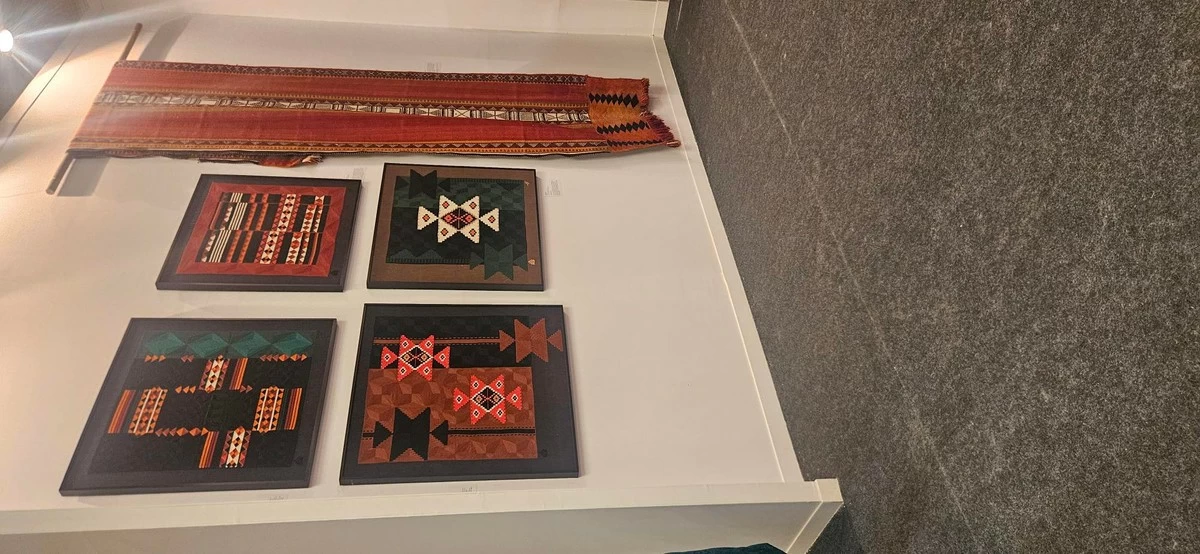
Sheikha Altaf Salem Al Ali Al Sabah raised this deeper historical perspective when I met her in New Delhi on November 18, at the inauguration of Threads of Exchange, a textile exhibition celebrating the cultural connections between Kuwait and India.
Her reference to Failaka struck a particularly personal chord. In my book, Sadaaqa: Partnership & Cultural Kinship – Conversations with Pioneering Indians & Kuwaitis, I explored the historical links between the two countries. Sheikha Altaf, who graciously wrote the book's foreword, also reflected on the enduring cultural connections that have shaped the relationship between India and Kuwait.
For me, the conversation at Bikaner House brought that historical narrative full circle. From the ancient maritime world of Failaka to the contemporary meeting of Kuwaiti and Indian textile traditions in New Delhi, the relationship has continually evolved while retaining something essential: a remarkable capacity for cultural exchange, mutual respect and human connection.
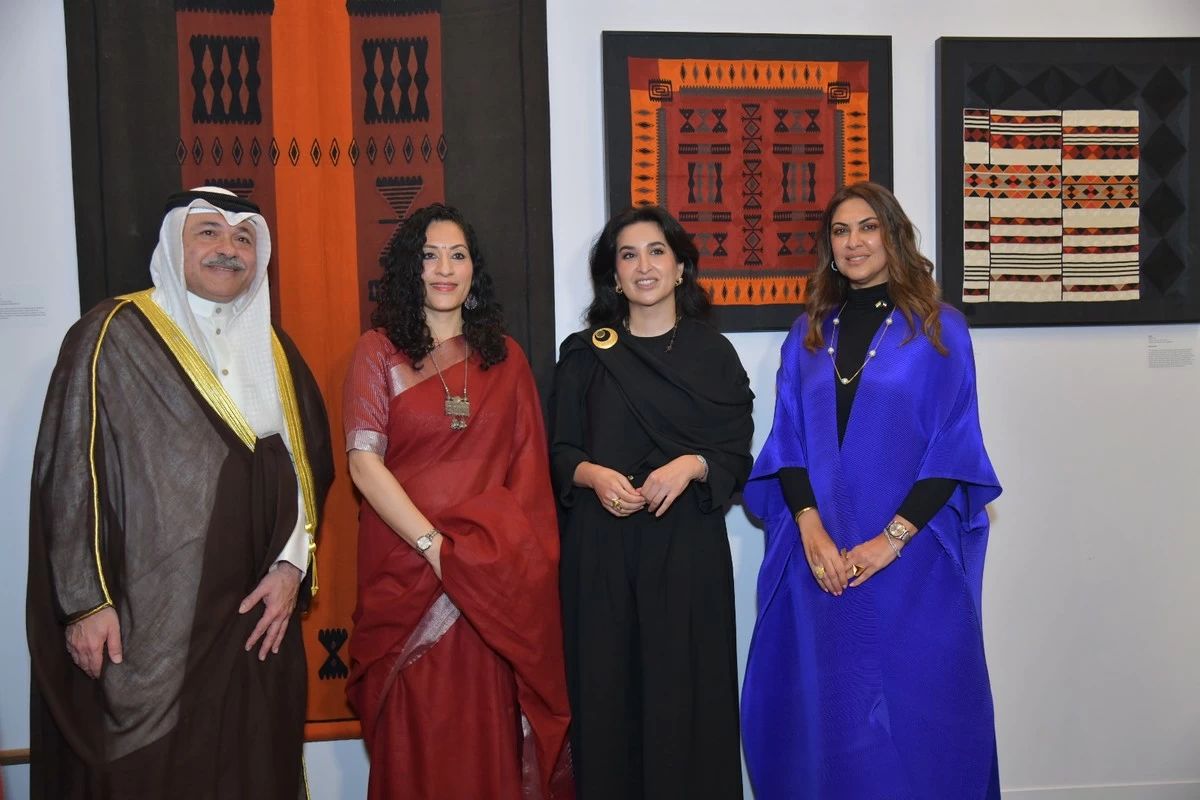
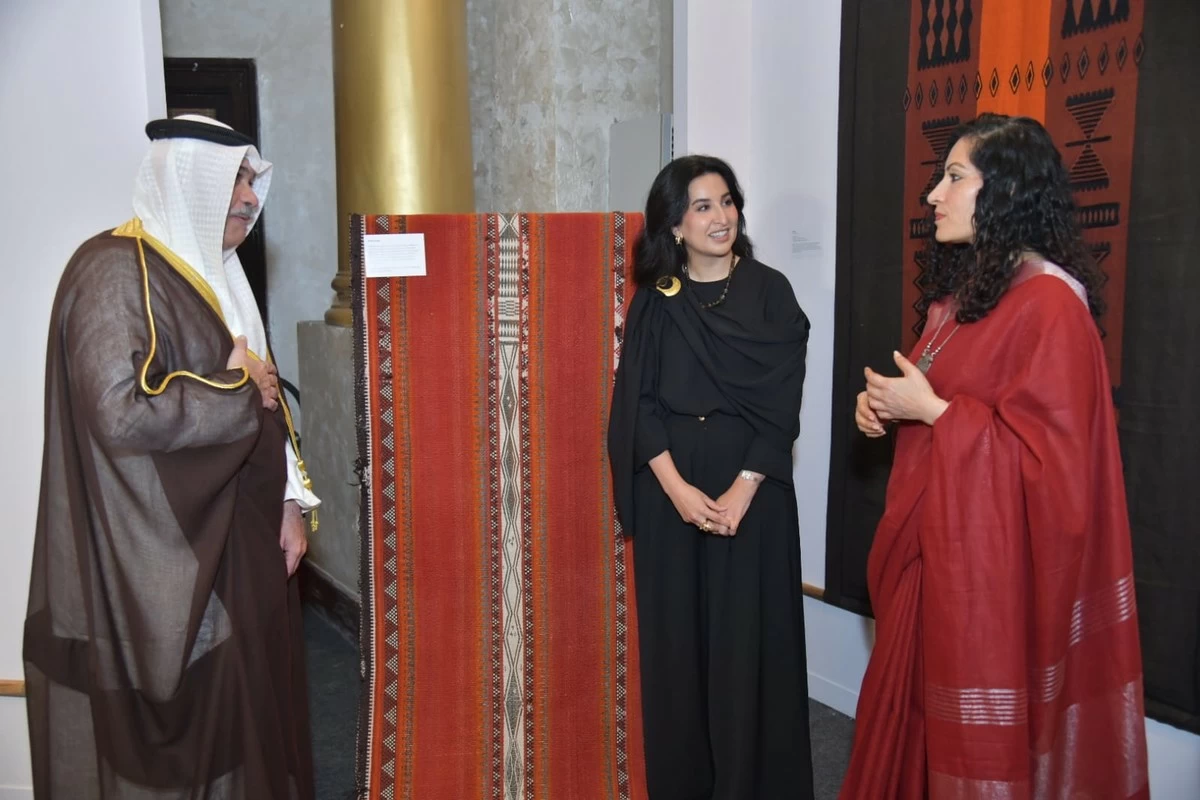
On November 17, the Embassy of the State of Kuwait in New Delhi organised a commemorative function marking the 65th anniversary of diplomatic relations between Kuwait and India, established in 1961. The occasion brought together senior diplomats, business leaders, cultural personalities and individuals whose contributions have helped strengthen the relationship between the two countries. The Chief Guest was H.E. Sibi George, Secretary (West) at India's Ministry of External Affairs and former Ambassador of India to Kuwait.
The programme included a short film tracing the historical relationship, a recorded address by Kuwait's Ambassador to India, H.E. Meshal Mustafa Al-Shemali, and a ceremony recognising individuals who have helped strengthen India–Kuwait ties. In his commemorative message, Ambassador Al-Shemali reflected on the extraordinary depth of the relationship. Although formal diplomatic ties date back 65 years, he observed that the friendship itself extends over six centuries, built upon maritime trade, social interaction and enduring human connections. The relationship entered a new phase during Prime Minister Narendra Modi's historic visit to Kuwait in December 2024, when bilateral ties were elevated to a strategic partnership. This development has created opportunities for greater cooperation in areas aligned with Kuwait Vision 2035 and India's Viksit Bharat 2047.
Yet the Ambassador's message also highlighted a dimension of the relationship that cannot be measured through agreements or trade figures alone. During the COVID-19 pandemic, Kuwait extended substantial humanitarian assistance to India, including oxygen cylinders, liquid medical oxygen and other essential medical supplies. India, in turn, sent medical personnel to Kuwait and subsequently supplied vaccines.
An important part of the November 17 celebrations was the recognition of individuals whose lives and work represent different aspects of India–Kuwait relations. Among those honoured was Ambassador Zikrur Rehman, whose diplomatic and academic contributions have strengthened understanding between India and the Arab world. His work includes establishing the Amir of Kuwait Sheikh Sabah Al-Ahmad Jaber Al Sabah Library at Jamia Millia Islamia, creating an important resource for students and researchers. Veteran businessman S.K. Wadhawan, whose remarkable journey began when he arrived in Kuwait in 1957 at the age of seventeen, was also recognised. His story reflects the experiences of an earlier generation of Indians who arrived in Kuwait with modest resources and went on to build successful enterprises. Entrepreneur Saulat Ali Khan, whose illustrated memoir From Destiny to Destination documents his experiences in Kuwait, was another recipient.
The cultural dimension of the relationship was represented by textile historian and designer Jenny Housego, associated with Kashmir Loom; Sheikha Altaf Salem Al Ali Al Sabah; and Sheikha Bibi Duaij Jaber Al Sabah, whose work with Al Sadu has helped preserve and promote Kuwait's traditional weaving heritage.I was deeply honoured to be among those recognised for my work as a cultural journalist, author and broadcaster documenting Kuwait's social and cultural history and the relationship between India and Kuwait. Through Women of Kuwait: Turning Tides and Sadaaqa: Partnership & Cultural Kinship, as well as my journalism, radio programmes and interviews, I have sought to document histories that might otherwise remain outside the conventional diplomatic narrative. The ceremony was also a reminder that the strength of bilateral relations lies not only in the work of governments but in the lives of individuals who build bridges between societies.
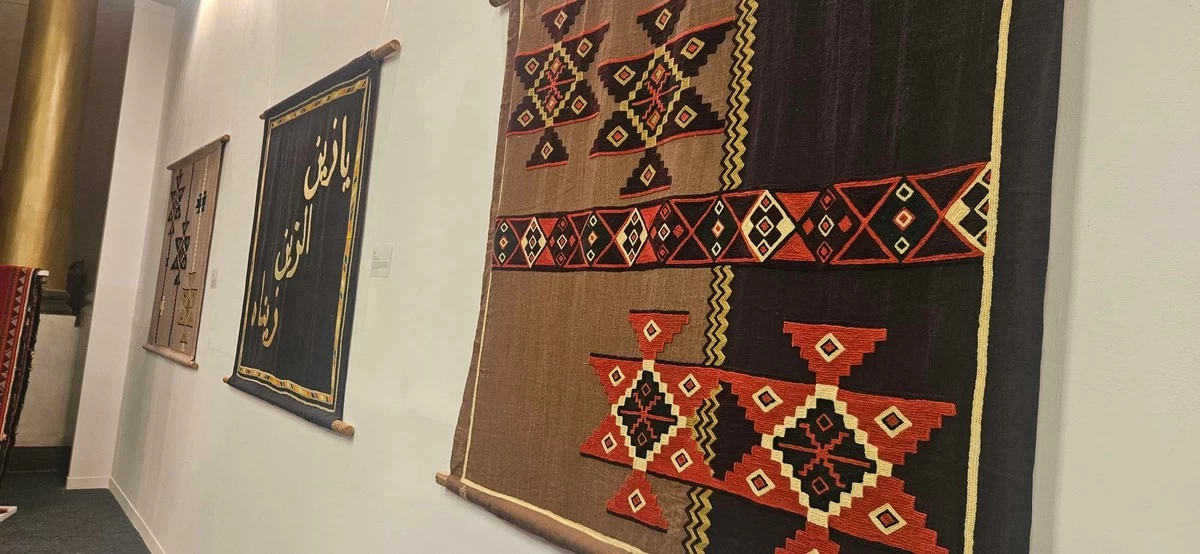
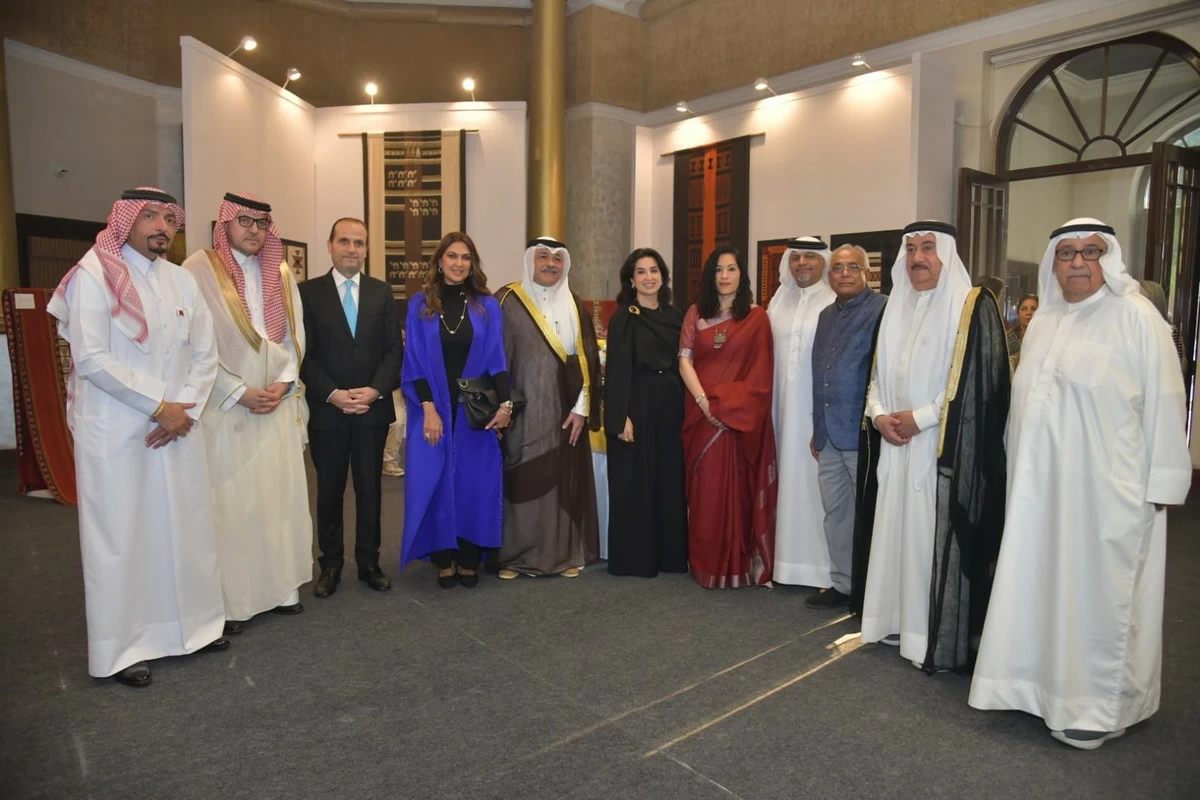
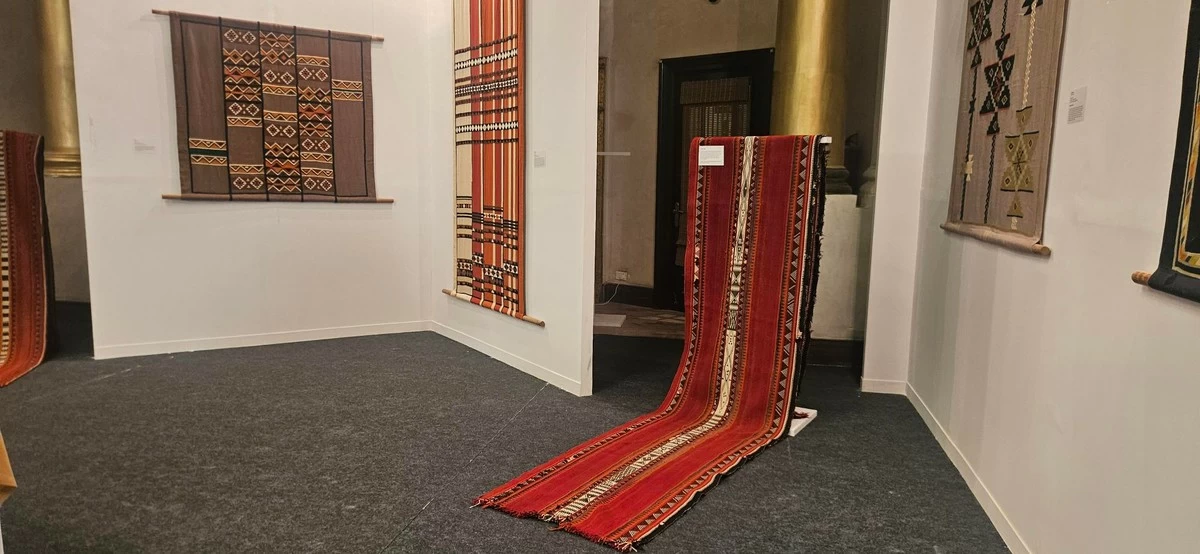
The following afternoon, November 18, the anniversary celebrations took on a distinctly cultural character.At Bikaner House in New Delhi, the Embassy of the State of Kuwait, in collaboration with Al Sadu Society and Kashmir Loom, inaugurated Threads of Exchange, a contemporary textile exhibition bringing together two remarkable weaving traditions.
Dignitaries, members of the diplomatic community, cultural personalities, and representatives of Indian institutions attended the inauguration. The exhibition presented a meeting between Kuwait's traditional Sadu weaving and the intricate textile craftsmanship of Kashmir.
At first glance, the two textile traditions appear quite different. Sadu, traditionally practised by Bedouin women, is distinguished by geometric patterns, rhythmic compositions and a visual vocabulary inspired by the natural environment and everyday life of the desert. On the other hand, Kashmiri textiles, particularly shawls and embroidered fabrics, are celebrated for their intricate craftsmanship, refined techniques and rich decorative traditions.
Yet beneath these differences lie striking similarities. Both traditions developed from communities' practical needs. Both reflect inherited knowledge transmitted through generations. Both are deeply tied to cultural identity, and both have faced the challenge of staying relevant in a rapidly changing world. The exhibition demonstrated how these distinct artistic languages could be brought together without diminishing their individual identities. By reinterpreting Sadu motifs through Kashmiri weaving and embroidery techniques, the collaboration created contemporary textile works that acknowledged the craftsmanship of both cultures. In doing so, Threads of Exchange transformed the idea of cultural diplomacy into something tangible.
For Sheikha Altaf Salem Al Ali Al Sabah, Honorary President and Patron of Al Sadu Society, the exhibition's significance lies not merely in the beauty of the finished textiles but in the continuity of the traditions they represent. "India's textile heritage is very old, one of the oldest and most diverse in the world," she observed, referring to handloom weaving, block printing, tie-dye and natural dyeing techniques passed down through generations. What she finds particularly remarkable is that these traditions remain part of everyday life. Unlike crafts that survive only as museum exhibits, Indian textiles continue to be worn, used and appreciated across generations. “The sari remains an essential part of Indian dress, while Kashmiri shawls, woven on traditional wooden looms, continue to be valued for their craftsmanship and beauty.”
For Sheikha Altaf, this continuity represents one of the most important lessons in cultural preservation. “Crafts are a part of the material culture of any people.” Her observations also reveal a deeper understanding of the relationship between craftsmanship and community. "Both Sadu weaving and India's traditional weaving, especially in Kashmir's ancient weaving techniques, share these binding threads of human skill, creativity, culture and history," she explained.
A woven textile is therefore more than a decorative object. It is also a record of cultural memory. Sheikha Altaf believes that traditional crafts originally developed from necessity, responding to the particular needs of the communities that created them. Their survival, however, depends on their ability to evolve. She explained that Sadu has continued through changing design forms and contemporary applications while respecting its traditional materials and cultural meaning. “India has successfully negotiated a similar balance between authenticity, modernity and innovation, particularly through the evolution of the sari and contemporary textile design,” she said. Her reflections touch on a central challenge facing traditional crafts worldwide: how to preserve their cultural integrity while keeping them relevant to new generations.
The Threads of Exchange exhibition was also the culmination of a creative partnership that developed through exchanges between Kuwaiti and Indian artisans. Speaking at the inauguration, Sheikha Bibi Duaij Jaber Al Sabah, Chairwoman and Managing Director of Al Sadu Society, described the exhibition as the outcome of cooperation between Sadu and Kashmir Loom, founded on a shared commitment to preserving traditional craftsmanship while exploring contemporary creative possibilities.
She explained that using the traditional hook needle and chain-stitch technique, Kashmiri artisans reinterpreted the visual language of Al Sadu, creating a meeting point between two cultures through materials, techniques and design. The result was not simply a fusion of decorative patterns but an artistic conversation between two distinct traditions.
Sheikha Bibi also placed the exhibition within the wider history of India–Kuwait relations. For centuries, Kuwaiti vessels sailed to Indian ports carrying pearls, dates and Arabian horses, returning with timber, spices, grains and textiles. These voyages established connections that extended beyond commercial transactions, gradually creating shared social and cultural histories. The textile collaboration, therefore, represents a contemporary expression of a much older tradition of exchange.
Asif Ali, co-founder of Kashmir Loom, offered further insight into how the partnership began. He credited Sheikha Altaf with initiating the cooperation, which was subsequently developed under Sheikha Bibi's leadership. He explained that the collaboration involved exchanging designs and creative ideas, as well as organising workshops at Bait Al Sadu in Kuwait, where weavers and embroiderers travelled from Kashmir to work alongside their Kuwaiti counterparts.
Ali also spoke appreciatively of the encouragement and support extended by the Kuwaiti side towards Indian handicrafts. Having developed a close familiarity with Kuwait through his visits and professional collaborations, he recognises the importance of such cultural interactions in strengthening relationships between people. He expressed the hope that the exhibition would become a starting point for more direct communication between Kuwaiti and Indian communities.
The two days of celebrations in New Delhi presented complementary expressions of India–Kuwait friendship. The November 17 ceremony recognised individuals whose work has contributed to the development of the relationship across diplomacy, business, scholarship, culture and community life. The November 18 exhibition demonstrated how that friendship continues to find expression through artistic collaboration and shared cultural heritage. Together, they offered a broader understanding of bilateral relations.
India and Kuwait today share a strategic partnership encompassing energy, trade, investment, defence, healthcare and other areas of cooperation. But the foundations of this partnership were laid long before formal agreements were signed. They were built by sailors who navigated the Arabian Sea, merchants who established trading relationships, families who migrated across borders, and generations of people who developed friendships and cultural affinities. Today, through initiatives such as Threads of Exchange, they continue to serve as instruments of connection. From Failaka to the future, the story of India and Kuwait continues to unfold. And as Threads of Exchange so eloquently demonstrates, its many strands are still being woven.