



15/07/2026

Share:
15/07/2026
Share:
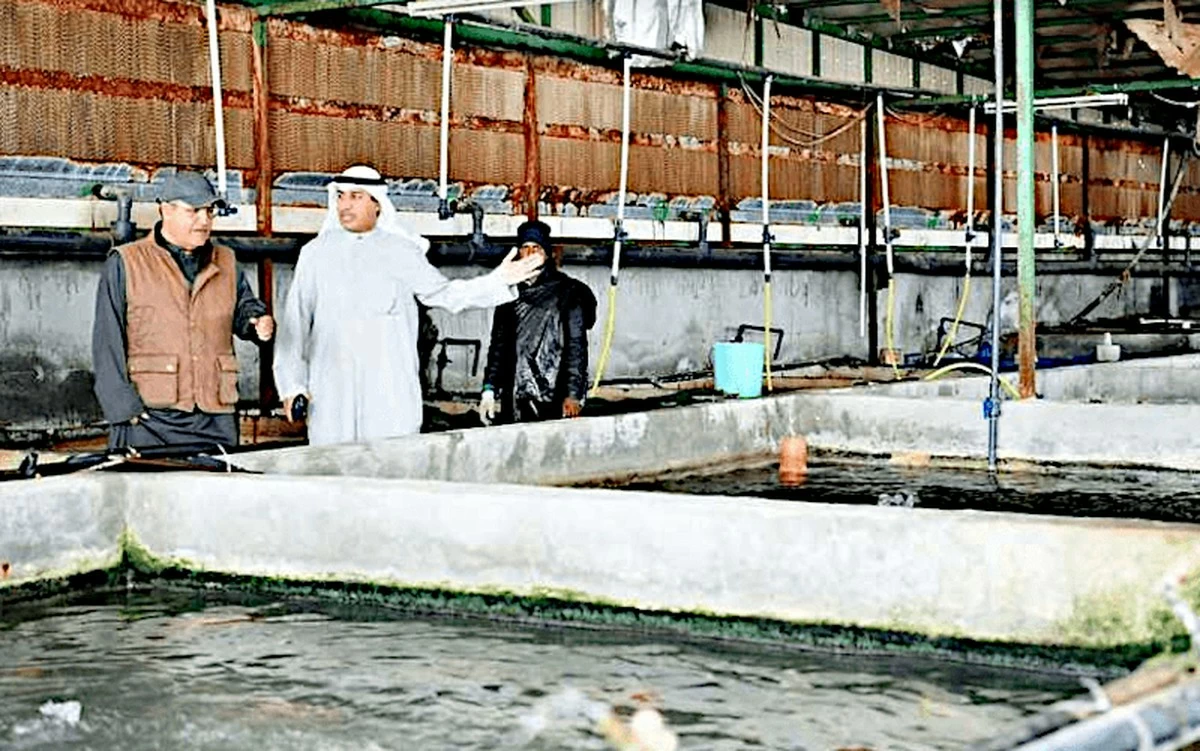

The project will help ease the growing pressure on natural fish stocks by narrowing the gap between supply and demand. It will also create job opportunities for young people and support the growth of related industries, including fish canning, marketing, transportation, and marine feed production. In this regard, economic expert Salem Al-Kandari said the aquaculture project is expected to help stabilize fish prices in the local market. He noted that locally caught fish, such as zubaidi and hamour, are among the most expensive here compared to other Gulf Cooperation Council (GCC) countries. Al-Kandari predicted that the availability of integrated fish farms covering all species would lead to a price reduction of up to 50 percent, as has happened in Saudi Arabia and Oman.
He stressed that the recent shortage of local fish has contributed to the rise of imported fish, such as Iranian fish, which many consumers prefer due to the similarity of its fishing environment to that of Kuwait. Al-Kandari emphasized that the actual implementation of this large-scale project will restore balance in favor of high-quality national products. He affirmed that the project will provide strong support for Kuwait’s industrial sector, particularly because many vital and economic industries are directly linked to the fish sector, including processing industries such as canning, packaging, and the production of utensils and related paper products.
Al-Kandari highlighted the project’s significant role in supporting the pharmaceutical and cosmetics industries, including the production of nutritional supplements such as Omega-3 oil extracted from fish liver and tissues, as well as collagen extracted from fish scales, which is used in moisturizing skin care products. He pointed out that increased fish production will positively impact the retail and food sectors, leading to the opening of more seafood restaurants and the expansion of retail markets across Kuwait. Al-Kandari stressed that this growth will create a supportive environment for young Kuwaitis to establish their own small and medium-sized enterprises related to the sector.