



20/08/2026

Share:
20/08/2026
Share:
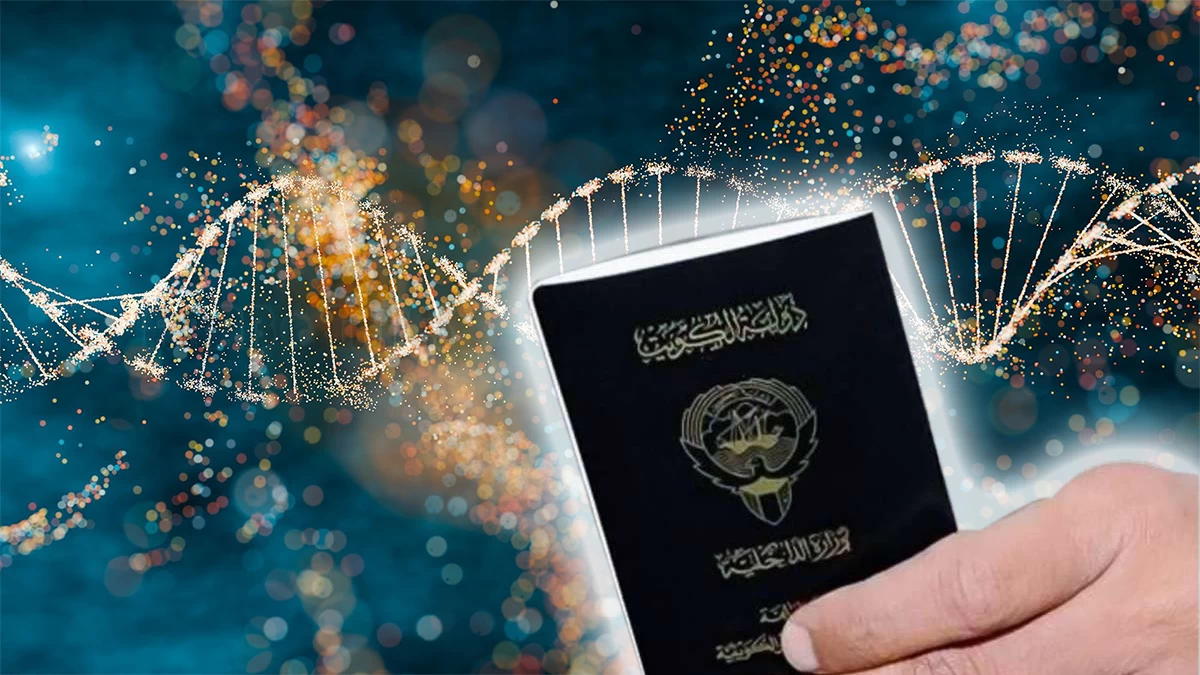

KUWAIT CITY, Aug 20: A preserved DNA sample from a Kuwaiti man who died in 2021 has become the key to uncovering a major citizenship fraud case, after genetic testing revealed that several people registered as his children were not biologically related to him.
The case centers on the nationality file of a deceased Kuwaiti citizen, under whose name 28 sons and daughters had been registered. Investigations found that 17 of them were his biological children, while four others have so far been proven to have been falsely added to the file. Seven cases remain under investigation, including individuals whose DNA results are still pending or whose status requires further verification.
According to the investigation, the file listed six wives for the deceased man. Three were confirmed as actual wives, while three others appeared only in old records and had no civil identification numbers. Authorities believe those records were used to register fictitious children “on paper,” allowing individuals with no biological link to the man to obtain Kuwaiti citizenship.
The case began when information reached the Nationality Investigation Department about two Gulf nationals who had allegedly obtained Kuwaiti citizenship through forgery. After those claims were verified, citizenship was revoked from them and their dependents. The first case affected 113 people, while the second affected 51.
Those findings prompted authorities to reopen and examine the entire family file. A DNA sample previously preserved by the forensic authorities from an earlier case involving the deceased father was then used to compare the genetic profiles of those registered under his name.
The expanded investigation later uncovered two more cases involving individuals identified as N and S , both deceased, who had been registered as sons of the deceased man. Their files were presented at the latest meeting of the Supreme Committee for Citizenship Investigation after evidence was completed.
In the case of N , born in 1953, authorities found that his file included 13 sons and daughters, with 22 dependents. His name was also absent from the official heirship inventory of the presumed father. Since he was deceased and could not be tested directly, investigators summoned two of his sons and compared their DNA with the preserved sample of the alleged grandfather. The results showed conclusively that they were not his grandchildren.
The investigation also found that one of N ’s daughters remains under scrutiny. Information received by the Nationality Investigation Department suggests she may have obtained another Gulf nationality through forgery, with indications that she may also hold a third Gulf nationality.
In the second case, S , also deceased, had 16 sons and daughters registered under his file, with a total of 58 dependents, including grandchildren. His name was likewise missing from the heirship inventory. Authorities summoned three of his sons for DNA testing, and the results confirmed they were not descendants of the alleged grandfather.
The confirmed biological children of the deceased man had previously denied any sibling relationship with the first two individuals whose citizenship was revoked. They also denied any relationship with N and S , a position later supported by the DNA results.
Following the completion of the evidence, the Supreme Committee for Citizenship Investigation decided to revoke citizenship from N and S and their dependents, affecting 22 and 58 people respectively.
With these latest decisions, the total number of people whose citizenship has been revoked in connection with this single file has reached 244 — including 113 and 51 in the first two cases, and 22 and 58 in the two most recent cases.
Authorities are continuing to review the remaining names in the file as part of the wider investigation into suspected nationality fraud.