



10/04/2026

Share:
10/04/2026
Share:

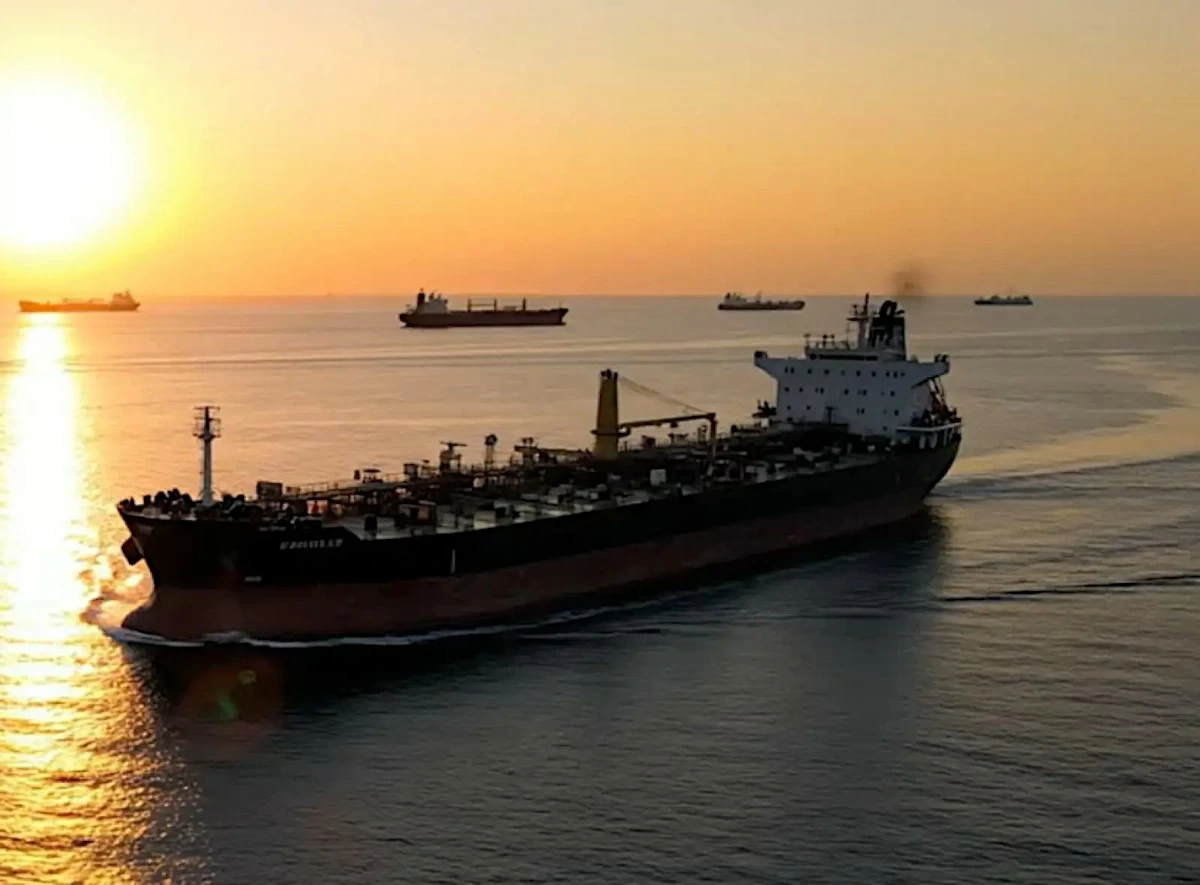
ATHENS/ DUBAI, April 10: Maritime tracking data indicate that vessel movement through the Strait of Hormuz remains significantly below normal levels despite the ceasefire declared on April 8, highlighting continued disruption to global shipping routes.
According to Athens-based Marine Traffic, only 14 vessels—half of them carrying cargo—have transited the strait since the ceasefire announcement. The data showed that 70% of crossings were outbound from the Persian Gulf, while vessels linked to sanctions or so-called shadow fleets accounted for nearly two-thirds of total traffic.
Before the conflict, more than 100 ships typically passed through the strait daily, many transporting crude oil to Asian markets, underscoring the scale of the current slowdown.
In a separate data analysis, shipping movements in the past 24 hours showed that most vessels crossing the waterway were linked to Iran. The reports indicated that three oil tankers and four bulk carriers, including a vessel carrying iron ore to China, departed Iranian waters during the period.
Despite the ceasefire, shipping operators are reportedly continuing to delay voyages due to ongoing security concerns and uncertainty over safe passage in the strategically vital chokepoint.
The Strait of Hormuz remains one of the world’s most critical energy corridors, and even limited disruptions have raised concerns among global energy markets and shipping insurers.