



09/04/2026

Share:
09/04/2026
Share:
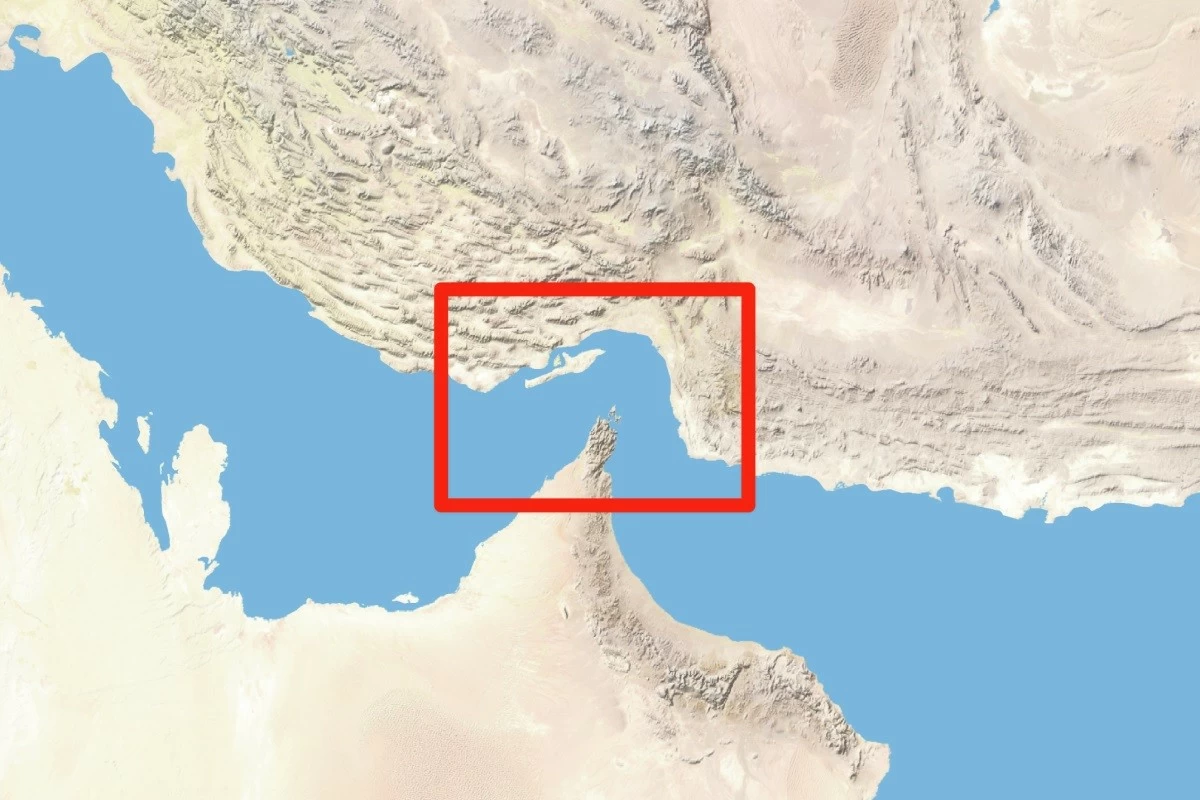
Strait of Hormuz closure could disrupt global oil supply, impact regional stability, experts warn.

DUBAI, Apr 9: Traffic through the Strait of Hormuz remains heavily disrupted despite a ceasefire between the United States and Iran, with only a limited number of vessels managing to pass through the strategic waterway in the past 24 hours, according to ship-tracking data cited by Reuters and maritime intelligence firms.
Data from Lloyd’s List Intelligence showed that just one oil products tanker and five dry bulk carriers transited the strait, while overall maritime movement continues to hover near a standstill. On the first day of the ceasefire, only three vessels reportedly passed through, all of which had current or previous links to Iran.
The maritime monitoring firm noted that Iran’s approval mechanism for shipping—managed after vetting by the Islamic Revolutionary Guards Corps—remains in place despite international calls, including from U.S. President Donald Trump, for the waterway to be fully reopened.
Lloyd’s data also indicated that while last week saw 72 transits, marking the busiest week since the start of the conflict, volumes remain around 90% below normal levels. Most permitted vessels are believed to have connections to Iran, though some Indian ships have reportedly passed through following diplomatic intervention by New Delhi.
Meanwhile, senior energy officials have raised concerns over continued disruption. The head of the Abu Dhabi National Oil Company, Sultan Ahmed Al Jaber, strongly criticized what he called the “weaponization” of the Strait of Hormuz, warning that around 230 oil-laden vessels are currently waiting to transit the chokepoint.
He said freedom of navigation in the strait must be guaranteed without conditions, adding that any attempt to control passage for political leverage amounts to coercion and threatens global energy security.