


18/03/2026

Share:
18/03/2026
Share:

KUWAIT CITY, March 18: The escalating conflict between America, Israel and Iran, and the economic repercussions of the closure of the Strait of Hormuz, cast a shadow over the livestock and poultry sector in Kuwait, causing prices to rise by about 30 percent and an acute shortage of animal feed. In an interview with the newspaper, several livestock breeders and experts called for removing subsidies on animal feed.
However, the majority prefer maintaining the subsidies to prevent a ‘price war’ in the country. They also called for more efficient distribution mechanism and the establishment of multiple distribution points to alleviate congestion at the only existing outlet. Head of the Kuwaiti Association for Livestock and Food Security Jamal Al-Wusaidi asserted that it is important to ensure an adequate supply of subsidized feed to reduce the crowd at the only distribution point. He explained that the current congestion is a manifestation of the high demand among breeders.
On the other reasons behind the crowd at the distribution point, Al- Wusaidi clarified that distributing feed at close intervals causes hardship for livestock breeders, taking into consideration the long waiting period, hence, the need for a more efficient distribution mechanism. He pointed out that implementing an online booking system for feed collection is insufficient, stressing the importance of increasing distribution outlets to alleviate pressure on the existing center, with the possibility of extending working hours during peak periods. He wondered why the milling company’s centers are not utilized to open outlets for distributing subsidized feed upon its arrival. He stated this will prevent feed hoarding, while urging the milling company to issue clear statements to reassure livestock breeders about the availability and continuous distribution of subsidized feed. He objected to the proposal to eliminate subsidies, asserting that this step could lead to a remarkable increase in feed prices at the black market. He emphasized that making subsidies available to everyone will curb the high feed prices. He also stressed the importance of establishing feed mills, which the private sector could implement, to ensure continuous supply of feed during normal times and geopolitical crises. He added that this will eliminate the black feed market.
Meanwhile, Bandar Al-Muwais, a board member of the Kuwaiti Association for Livestock and Food Security, stated that the crowd at the subsidized feed distribution outlet requires an immediate solution. He pointed out that the current online appointment system for receiving subsidized feed has not fully resolved the issue, as heirs are unable to book an appointment through the Kuwait Mobile application, and many invoices are nearing expiration. He appealed to the relevant authorities to find a solution for such cases by granting exceptions for loading or specifying a day each week. He warned that failure to resolve the feed crisis will drive meat prices to astronomical levels and this will negatively affect the consumers.
On the effects of the current war between the United States and Israel against Iran, Al-Muwais confirmed the impact of the war, especially since some countries like Australia halted meat exports due to the war, while others reduced their livestock imports. Hamdan Abdullah, an official at a livestock feed distribution center, supported the idea of lifting government subsidies on animal feed, particularly since imported feed is available in Kuwait. He explained that lifting the subsidies will level the playing field for all livestock and poultry farmers. He added that the implementation of this proposal will open many outlets in Wafra, Kabad, Sulaibiya and Abdally cooperative societies, thus, preventing those who illegally obtain subsidies from doing so, while others buy subsidized feed and resell them in the black market at exorbitant prices.
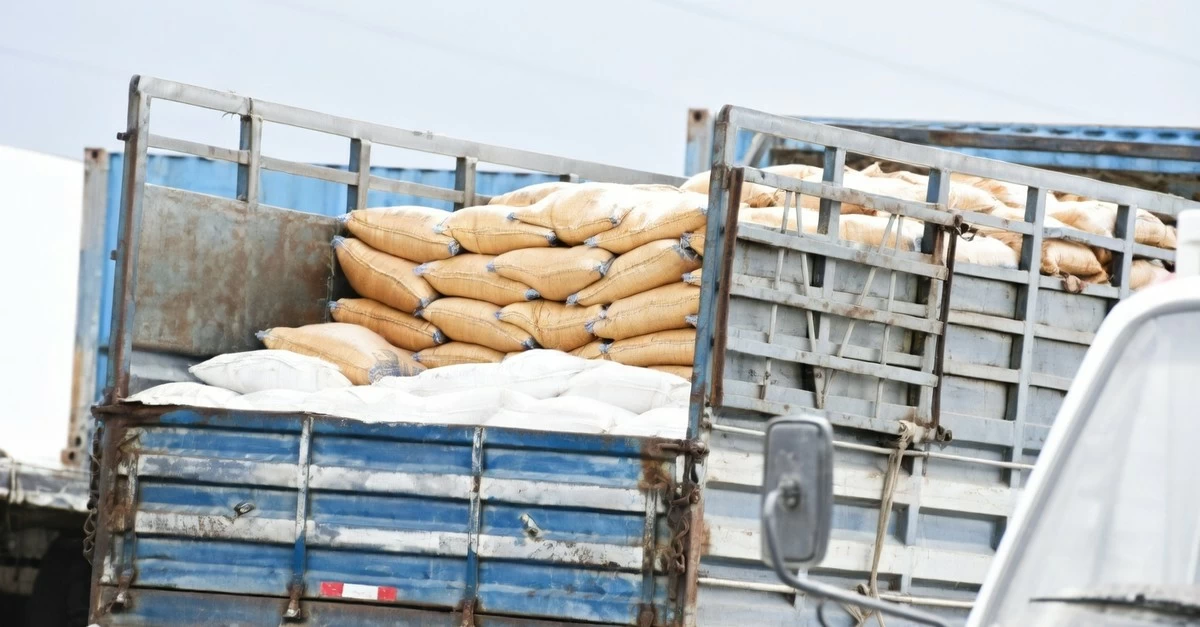
Hussein Al-Wawan, owner of a feed trading company, stated that there is no shortage of feed despite the current crisis. He pointed out that trucks transport feed from Saudi Arabia continuously, and there are no issues with the availability of feed, which is sold at fixed prices. Food security consultant Mohammad Al-Furaih warned that the proposed increase in feed subsidies will harm the livestock and poultry farmers.
He suggested allowing the private sector to establish one or more feed mills with a production capacity of at least 100 tons per hour, preferably located in the new ports to facilitate the import of raw materials, with the feed delivered directly to production sites throughout the country. He added that the current war led to an increase in the price of a tray of organic eggs to more than KD5, compared to KD2.500 before the war. He predicted a significant increase in poultry prices if the war continues.
By Najeh Bilal Al-Seyassah/Arab Times Staff