


16/11/2026

Share:
16/11/2026
Share:


KUWAIT CITY, Nov 16 : Kuwait needs a coordinated approach involving public awareness, stronger banking safeguards, technological solutions and effective law enforcement to combat online scams in which fraudsters impersonate police officers and bank officials through WhatsApp messages and video calls, according to a Deloitte expert.
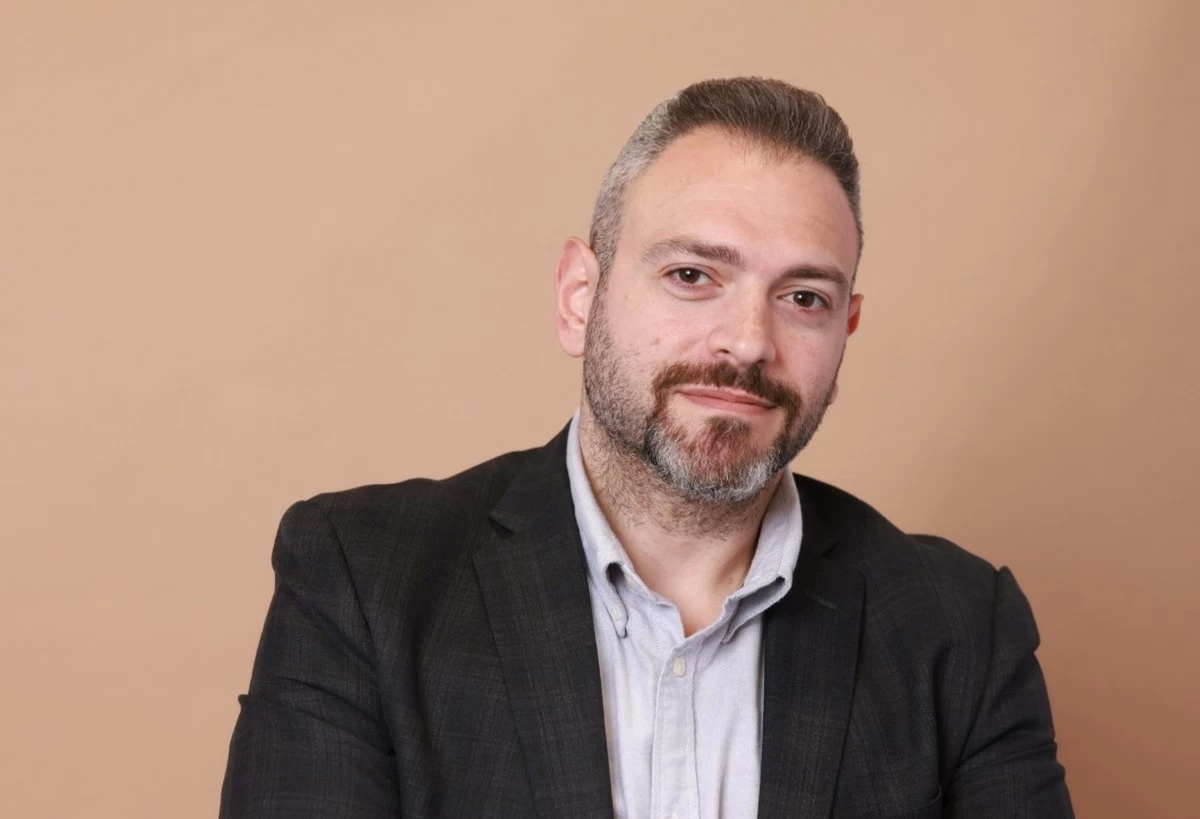
Tamer Charife, Partner, Cyber Strategy & Transformation Leader at Deloitte Middle East
Tamer Charife, Partner and Cyber Strategy & Transformation Leader at Deloitte Middle East, made the recommendations in a commentary prepared for Arab Times in connection with the newspaper's 5th Digital Transformation event in Kuwait.
Charife said fraudsters increasingly exploit people's trust in official institutions by using fake police uniforms, fabricated bank identities and other convincing methods to deceive victims.
He stressed that public awareness remains the first line of defense, noting that citizens and residents should be reminded that legitimate police authorities and banks do not ask individuals to transfer money, disclose one-time passwords (OTPs) or share bank card details through WhatsApp messages or video calls.
He proposed reinforcing such warnings through SMS messages, banking applications, television and social media campaigns. These initiatives, he said, should be available in several languages, including Arabic, English, Hindi, Urdu, Tagalog and Bengali, to reach Kuwait's diverse population.
Charife cited the Central Bank of Kuwait's “Let's Be Aware” campaign as an example of how coordinated awareness initiatives can educate the public about financial risks and fraudulent practices.
Strengthening verification channels
He also highlighted the importance of strengthening trust in official communication channels so that people can distinguish genuine messages from fraudulent approaches.
Banks and relevant authorities could introduce verified notifications and dedicated communication channels, while members of the public should be encouraged to independently contact institutions through telephone numbers published on their official websites whenever they receive suspicious requests.
Banks could further strengthen protection by introducing additional verification for large or first-time transfers, cooling-off periods for newly added beneficiaries and transaction warnings when customers may be communicating with potential fraudsters.
Charife also pointed to authentication through Kuwait's My Kuwait Mobile ID application as an example of a verification mechanism that could support these efforts.
Technology and information sharing
Beyond prevention, he called for greater cooperation across the digital ecosystem to detect and disrupt fraudulent activity.
Coordination between regulatory authorities and telecommunications providers could help identify and block spoofed numbers, detect suspicious SIM registrations and disrupt communication channels used by scammers.
He also highlighted the potential importance of cooperation with digital platforms such as Meta and WhatsApp to identify and remove fraudulent accounts impersonating police officers and financial institutions.
Information sharing between banks could help relevant authorities identify suspicious transactions and accounts used to receive money obtained through fraud, allowing faster intervention.
Charife proposed establishing a streamlined reporting mechanism, supported by a dedicated hotline or digital platform, to enable victims to report incidents quickly.
He said rapid reporting is particularly important because immediate intervention may allow banks and authorities to trace suspicious transfers, freeze funds or improve the chances of recovering money.
Stronger enforcement and victim support
Charife further stressed the need for sustained enforcement against individuals who facilitate fraud by misusing or providing bank accounts and SIM cards.
Given the increasingly international nature of online scams, he said cross-border cooperation would also be important in identifying suspects and disrupting criminal networks.
At the same time, he called for clear and accessible reporting procedures that do not stigmatize victims. Encouraging people to report incidents without fear of embarrassment or blame could improve recovery efforts and provide investigators with valuable information to prevent further crimes.
He emphasized that combating impersonation scams requires a coordinated response combining public vigilance, reliable verification systems, rapid financial intervention, cooperation among institutions and effective enforcement.