


17/02/2026

Share:
17/02/2026
Share:

In India, home to the world’s second-largest Muslim population after Indonesia, Ramadan is observed not only as a religious duty or Islamic ritual by Muslims, but also as a broad cultural celebration that resonates across communities. Over the years, it has evolved into a shared social experience embraced by people from diverse backgrounds, cutting across religious, social and economic lines.
Ramadan, the ninth month of the Islamic calendar, is regarded as the holiest and most spiritually significant month for Muslims worldwide. During this sacred period, Muslims fast daily from dawn to sunset, breaking their fast at sunset with a meal known as Iftar in India and futoor in the Arab world. In addition to fasting, the month is marked by increased devotion, with Muslims dedicating more time to prayer, reflection and the recitation of the Holy Quran.
Ramadan in India is a deeply spiritual and culturally rich month-long observance that weaves Islamic values with distinctive local traditions and customs. The holy month is marked by fasting, charity, acts of kindness and intensified prayers, creating a unique atmosphere of devotion and togetherness. As the sun sets, major cities across the country come alive, transforming into vibrant hubs of late-night gatherings, bustling food streets and lively social interaction.
Ramadan in India is also a season of communal harmony, celebrated with deep enthusiasm and devotion, where traditional customs and rituals passed down through generations remain alive. In many towns and cities, the age-old practice of Sehri is still heralded by Zaharidars musicians who walk the streets beating drums to wake families for the pre-dawn meal.
Preparations for the holy month begin in mid-Sha'ban, with the period from the 15th of Sha'ban to the month’s end dedicated to cleaning and household readiness. Women traditionally clean and decorate homes and courtyards, wash utensils, and stock up on food supplies to ensure the family’s needs are met. This allows them to devote themselves fully to worship during Ramadan, reciting the Holy Quran during the day, performing nightly prayers, and attending women’s gatherings to study the Quran and Hadith.
Culinary Heritage
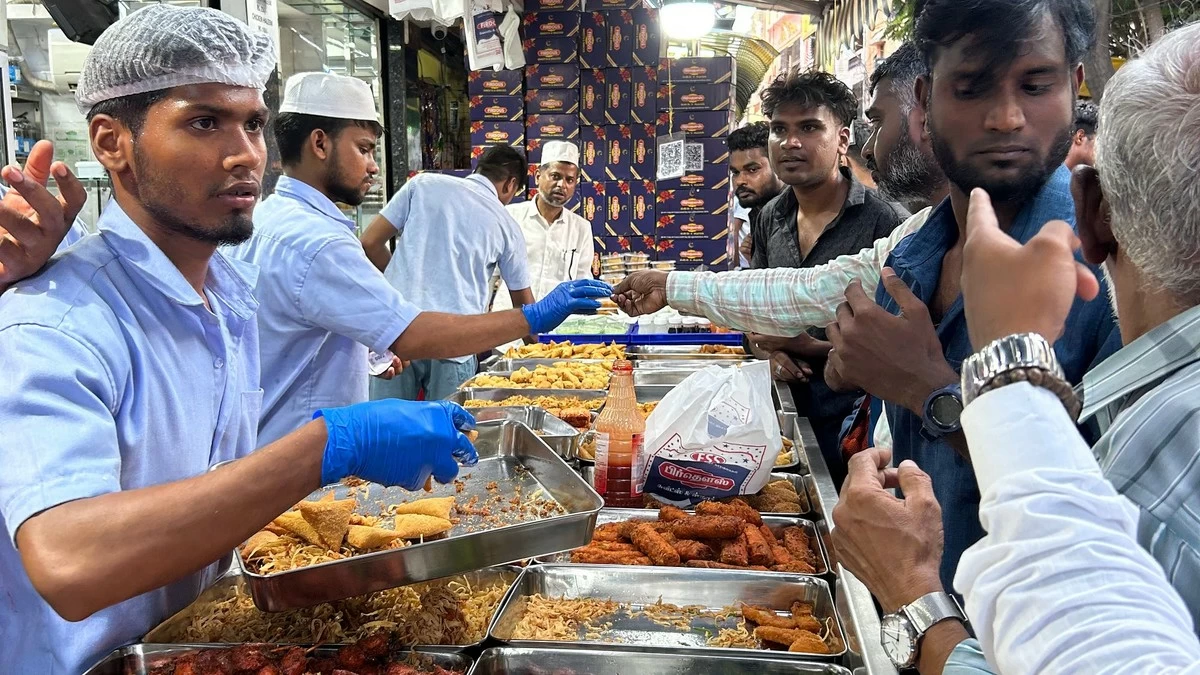
In India, Ramadan is as much a celebration of food as it is of prayer. The Iftar meal, which marks the breaking of the fast at sunset, is a central part of the holy month and brings families and communities together. Traditionally, the fast is broken with dates, following the Sunnah, before moving on to a variety of savory and sweet dishes. Popular items on Indian Iftar tables include samosas, biryani, haleem, pakoras, lassi, sewaiyan, maqooti, and the refreshing sharbat Rooh Afza.
Sweet treats hold a special place during Ramadan. Sheer khurma, a vermicelli pudding cooked in milk with nuts and cardamom, is widely enjoyed, while phirni (a fragrant rice pudding flavored with saffron and cardamom) is another favorite dessert shared among family and friends.
The pre-dawn meal, known as Sehri, is equally important. Eaten before sunrise, it provides the energy needed for the day-long fast and typically includes foods rich in complex carbohydrates and proteins, such as eggs, bread, and yogurt. These meals not only nourish the body but also strengthen the sense of community and spiritual reflection during the holy month.
Iftar Gatherings
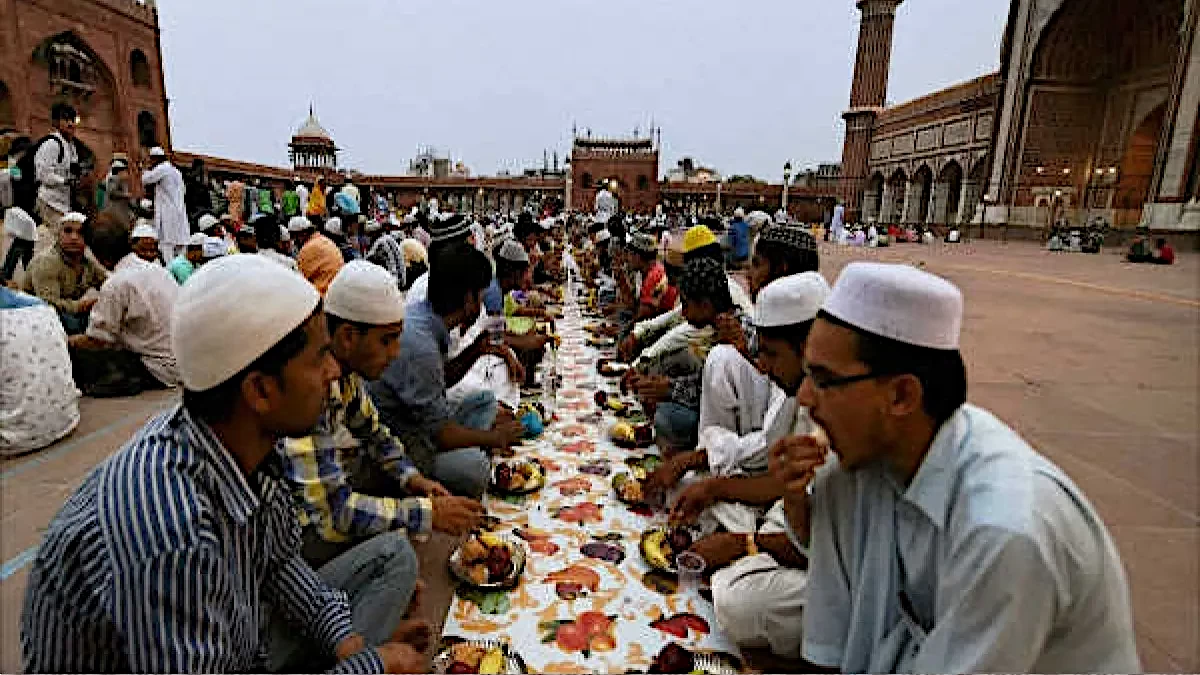
Iftar gatherings are a cherished tradition among Muslims across India, cutting across social and economic backgrounds. Community Iftars are organized in neighborhoods, mosques, educational institutions and cultural centers, fostering a spirit of unity and inclusiveness. Political parties and social organizations also host Iftar events, often inviting both Muslims and non-Muslims as a gesture of communal harmony.
In many mosques, fruits and cooked meals are distributed free of charge every evening during Ramadan, supported by community donations. Contributions collected from well-wishers are used to assist the poor and underprivileged, ensuring that no one is deprived of a proper meal during the holy month.
Charity
Charity occupies a central place in Islamic teachings and assumes even greater importance during Ramadan. Muslims throughout India are encouraged to give generously to those in need, viewing acts of charity (known as Sadaqah) as a means of earning spiritual reward and divine blessings. Special efforts are made to support disadvantaged families, provide food, clothing and financial assistance, and strengthen the bonds of compassion within society.
Social Exchanges
Ramadan is also a time of strengthened social ties. Families, relatives and neighbors exchange visits, share greetings and present gifts. Special banquets and gatherings are organized, reinforcing bonds of kinship and friendship. These interactions add a social warmth to the spiritual essence of the holy month, reflecting both devotion and togetherness.
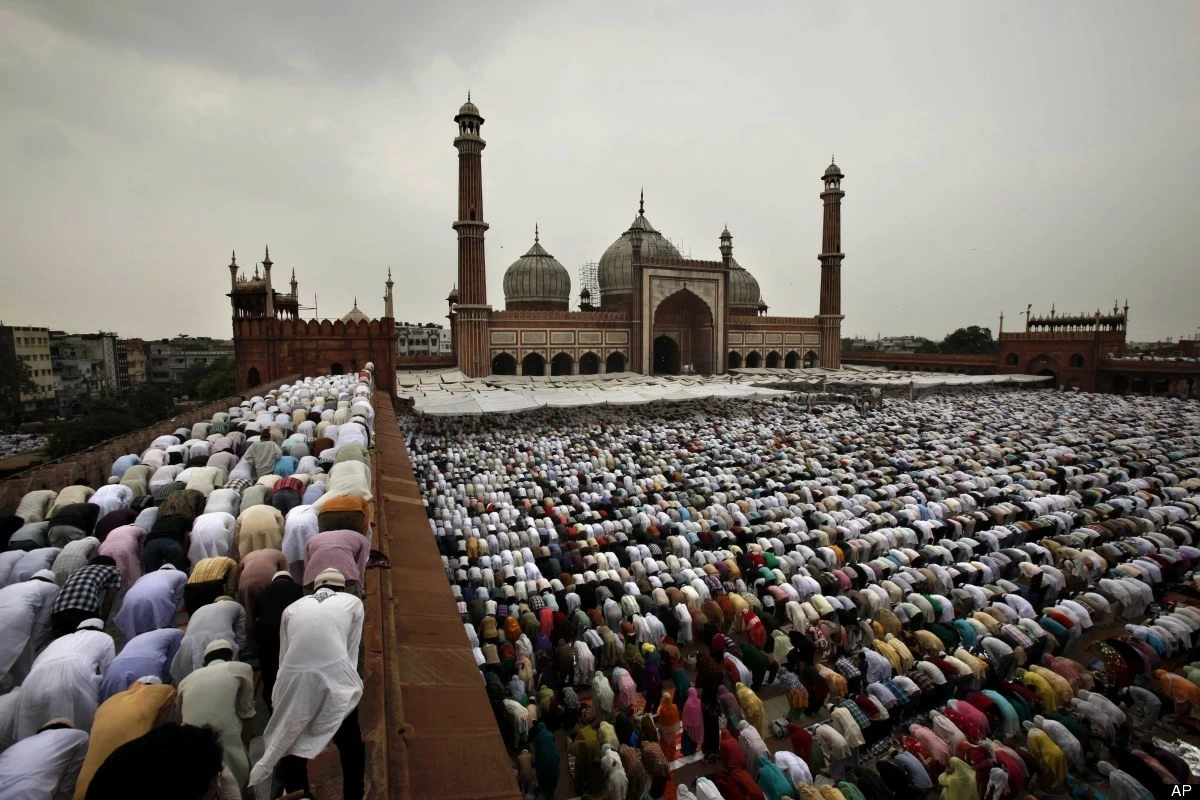
KEY REGIONAL TRADITIONS HIGHLIGHTS
Indian cities celebrate this holy month of festive season with colorful activities, foods and fun.
Old Delhi (Chandni Chowk/Jama Masjid area ): The heart of the city transforms the surrounding area into the buzzing of food stalls, including Karim’s and local eateries serving kebabs, pakora,nihari, and shaahi tukda.
Hyderabad (Charminar/Laad Bazaar): Famous for Haleem, a thick stew that is a staple Ramadan dish, and the bustling, illuminated Laad Bazaar.
Mumbai (Mohammed Ali Road/Minara Masjid): A culinary, luminous spectacle, with special stalls serving tawa fried food, khiri, kebabs, and mawa jalebi.
Lucknow (Old city, Chok, Husainabad, and Aminabad): Known for its Nawabi charm, serving special sheermal (saffron-infused bread) and kebabs.
Kolkata (New Market): Offers a mix of Bengali charm with traditional dishes like mutton rezala and biryani.
Malerkotla (Punjab): Notable for high levels of communal harmony, where Hindu and Sikh communities often participate in Iftar.
Ramadan Culmination
The month-long observances of fasting, prayer, charity, and community gatherings culminate with Eid-ul-Fitr, the festival marking the end of Ramadan. The occasion is celebrated with special prayers, festive attire, and visits to friends and family. In India’s multi-religious society, Eid has a broad social resonance, with Eid Milan events organized in many cities, inviting both Muslims and non-Muslims to share in the celebrations, strengthening bonds of communal harmony and cultural unity.
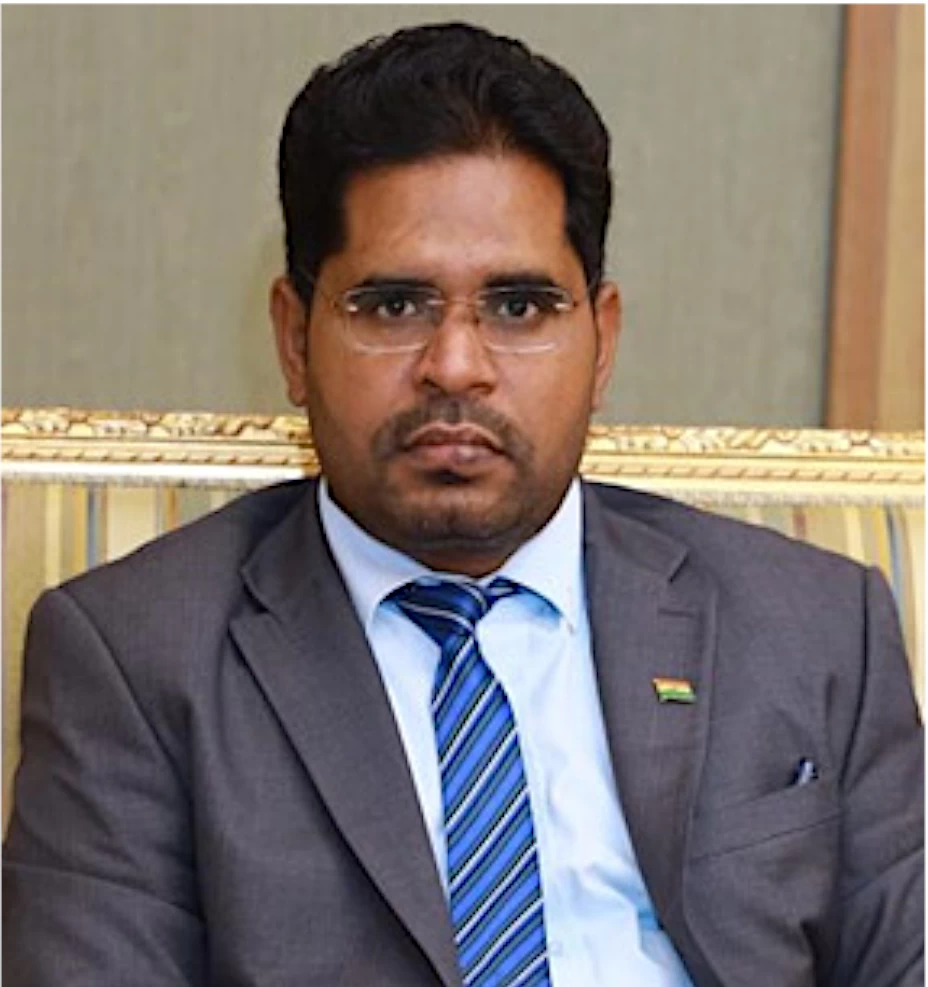
By Shakeel Ahmad Khan
Arabic Interpreter - Embassy of India