



18/06/2026

Share:
18/06/2026
Share:
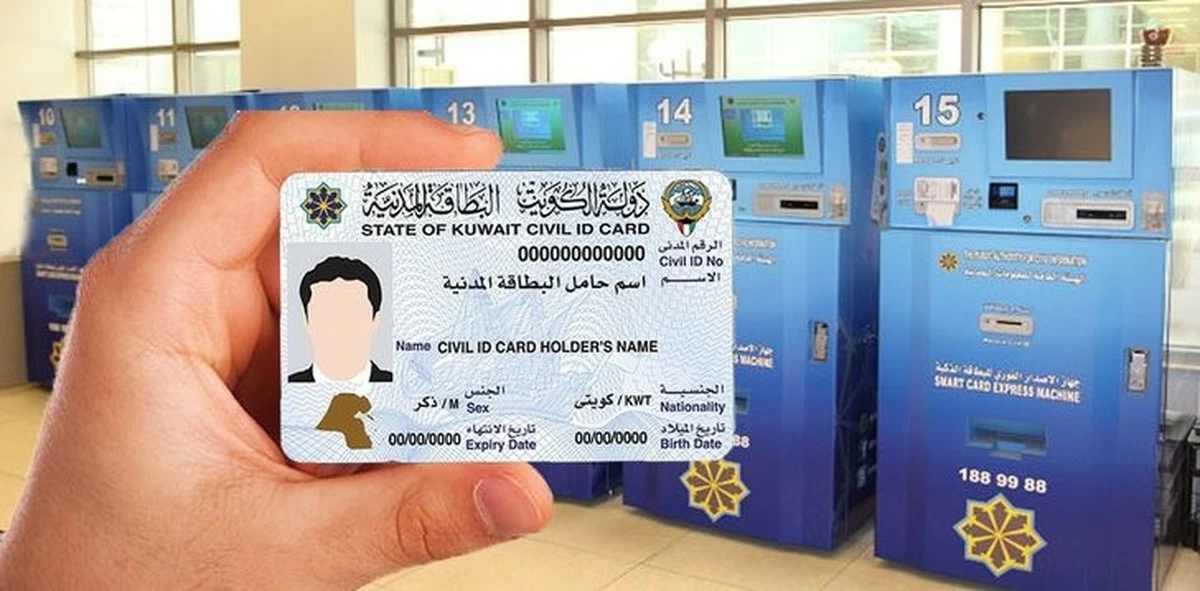

KUWAIT CITY, June 18: Expatriates who obtain civil ID cards through illegal means may face penalties, including deportation, calling for full compliance with the law. He also noted that the relevant authorities are continuing to review all transactions carried out by the suspects. It is worth noting that the latest network involved in such cases was dismantled in December last year, when the Ministry of Interior announced that the Financial Crimes Combating Department had arrested a network facilitating illegal residential address changes in exchange for money.
Earlier, the Ministry of Interior's Criminal Investigation Department (CID), arrested two individuals on charges of tampering and forgery, and of recording fake residential addresses for expatriates of various nationalities. They then issued civil ID cards in which the registered addresses did not match the individuals’ actual places of residence. Investigations revealed that the first 53-year-old suspect exploited his position to alter expatriates’ residential addresses in the records of the Public Authority for Civil Information (PACI) in exchange for amounts ranging between KD 100 and KD 120 per transaction.
A security source explained that the first suspect was referred to the Capital Public Prosecution, which charged him with forgery and bribery before ordering his detention at the Central Prison. His accomplice, who acted as a link between the expatriates and the main suspect, was also referred to the competent authorities. He admitted to receiving KD 150 per transaction, with his commission ranging between KD 30 and KD 50.
Information was received by the Criminal Security Sector indicating that expatriates were changing their residential addresses for amounts of up to KD 150 per transaction, prompting authorities to place the case under investigation. Follow-up revealed that the expatriates were dealing with an intermediary who was arrested and interrogated, and who disclosed his connection to a complicit employee, leading to the later arrest of the first suspect.