



12/08/2026

Share:
12/08/2026
Share:
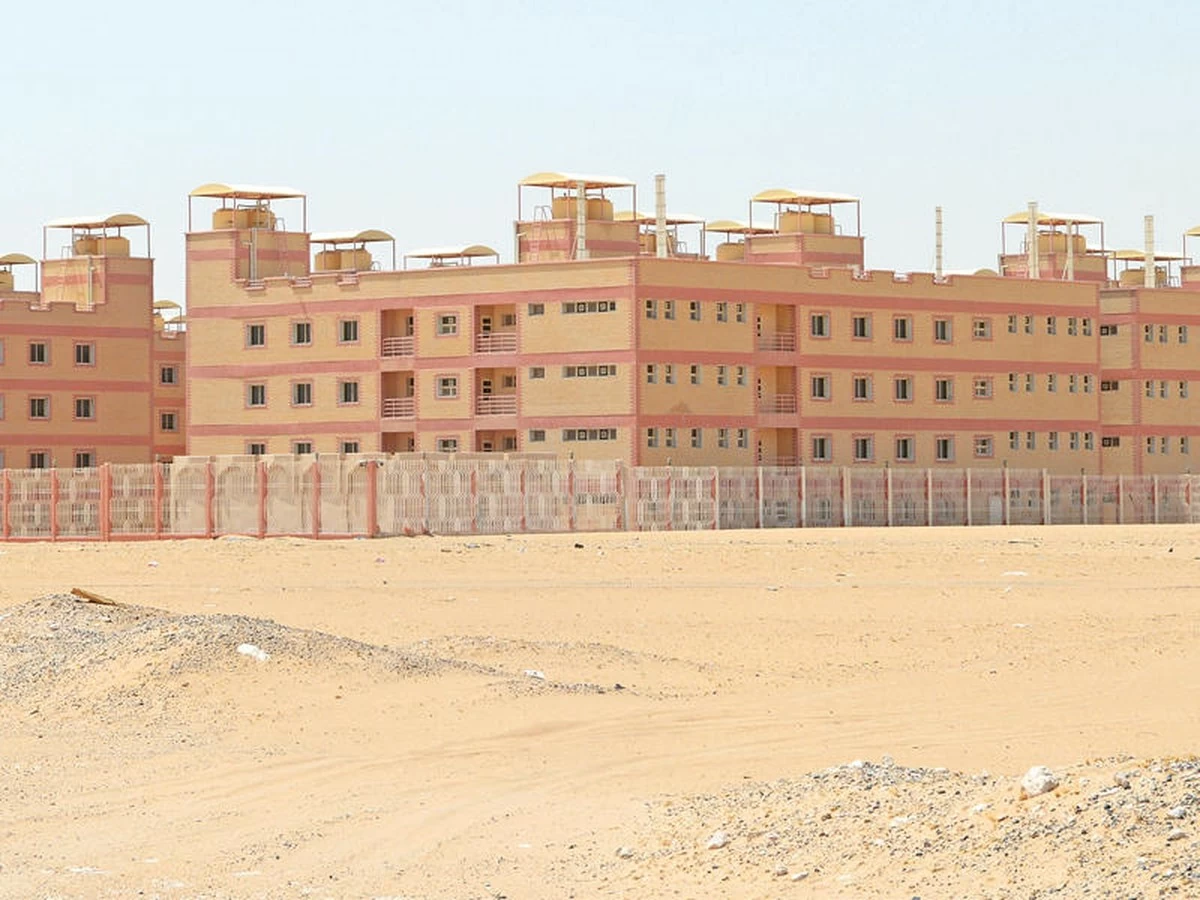

KUWAIT CITY, Aug 12: According to experts, establishing integrated workers’ cities is not limited to providing housing, but must also meet public health and safety requirements, including fire protection, as well as provide essential services, transportation, and necessary facilities. Head of the National Integrity Center and former Municipal Council member, Hamoud Aqla Al-Enezi, affirmed that workers’ cities represent one of the most important sustainable solutions for addressing informal housing and regulating the conditions of expatriate workers, provided that they are part of an integrated system for managing the labor sector rather than merely serving as housing facilities. Speaking to the daily, Al-Enezi said the recent security campaigns led by the Ministry of Interior in cooperation with government agencies reflect the state’s seriousness in addressing violations, praising the efforts made in this regard. He pointed out that the issue of workers’ cities had previously been discussed in the Municipal Council during his term, when sites were allocated for their construction following a series of meetings and workshops with the relevant authorities.
Al-Enezi indicated that a regulatory framework is available that can serve as the foundation for the project. He explained that a successful workers’ city must provide an integrated residential environment that meets public health, safety, and fire protection requirements, along with essential services, transportation, and professional management. This would preserve workers’ dignity while fulfilling regulatory and security requirements. Workers’ cities contribute to reducing security, municipal, and health violations by providing organized housing and linking workers to their employers, workplaces, and residences through a unified database, facilitating monitoring and follow-up. Al-Enezi stressed that the next phase requires a shift from the concept of “housing management” to “labor system management,” so that the organizational process includes data on the worker, profession, employer, workplace, residence, and the entity responsible for monitoring them. He pointed out that the success of the workers’ city project requires completing the development of the previously allocated sites and strengthening coordination between the Ministry of Interior, Kuwait Municipality, the Public Authority for Manpower (PAM), and other relevant entities.
Al-Enezi also called for allowing the private sector to participate in the development, management, and operation of workers’ cities. He called for obligating contractors executing government projects to provide housing for workers. Meanwhile, real estate researcher Abdulrahman Al-Hussainan believes that the success of the workers’ cities project depends not only on constructing new residential complexes, but also on the government’s adoption of the project as a comprehensive economic and investment model that generates revenue for the state and aligns with its goals of regulating the labor market and eliminating informal housing. In an interview, Al-Hussainan explained that Gulf experiences, particularly in Qatar, the UAE, and Saudi Arabia, have demonstrated that workers’ cities can be transformed into integrated communities encompassing healthcare facilities, commercial markets, banking services, and recreational areas.
This would provide workers with a suitable and humane living environment while alleviating pressure on traditional residential areas. Kuwait has financially sound government entities with investment expertise, such as the Public Institution for Social Security (PIFSS), the General Secretariat of Awqaf, and government agencies that own real estate assets. These entities can serve as key partners in developing workers’ cities. The involvement of these entities in developing workers’ cities would create income-generating real estate assets and provide the state with sustainable revenues through rental income and service fees. Al-Hussainan indicated that the security and organizational campaigns witnessed in Jleeb Al-Shuyoukh confirm that security measures alone are insufficient, and that the next phase requires providing organized urban alternatives that accommodate workers according to modern standards. He emphasized that workers’ cities represent one of the most important solutions, provided that the state views them as a long-term development and investment project rather than merely a temporary housing project.
In addition, Head of the Developmental Entrepreneurship Association, Ghadeer Abdul Mohsen Makki Jumaa, affirmed that establishing workers’ cities represents a sustainable urban solution that contributes to regulating workers’ housing, ensuring compliance with legislation, and aligning with the objectives of the “New Kuwait 2035” vision and PAM regulations. She emphasized the importance of treating workers’ cities as integrated environments rather than merely places of residence, taking into account urban planning, services, health, and environmental considerations while providing workers with a suitable living environment. Jumaa explained that the success of this approach requires providing a comprehensive range of services and facilities within workers’ cities, tailored to the residents’ needs. This includes basic services and transportation, along with attention to cleanliness, health, safety, and the environment. She stressed the importance of ensuring that workers’ cities comply with laws and regulations and are subject to clear monitoring and follow-up mechanisms to prevent them from becoming illegal settlements over time.
Jumaa emphasized the necessity of coordination among relevant authorities to ensure the implementation of regulations and the achievement of the intended developmental goals behind establishing these cities. She pointed out that regulating workers’ housing also requires linking it to official databases by ensuring that each worker’s housing address is officially registered and approved. This would support the relevant authorities in their monitoring and oversight efforts. Jumaa emphasized that adopting the integrated workers’ city model can achieve a range of urban, social, and developmental goals by providing a structured environment for workers, protecting residential areas from uses incompatible with their nature, and ensuring the optimal use of land and services.
By Marwa Al-Bahrawi Al-Seyassah/Arab Times Staff